Signal Introduces Screen Security Feature for Enhanced Privacy on Windows
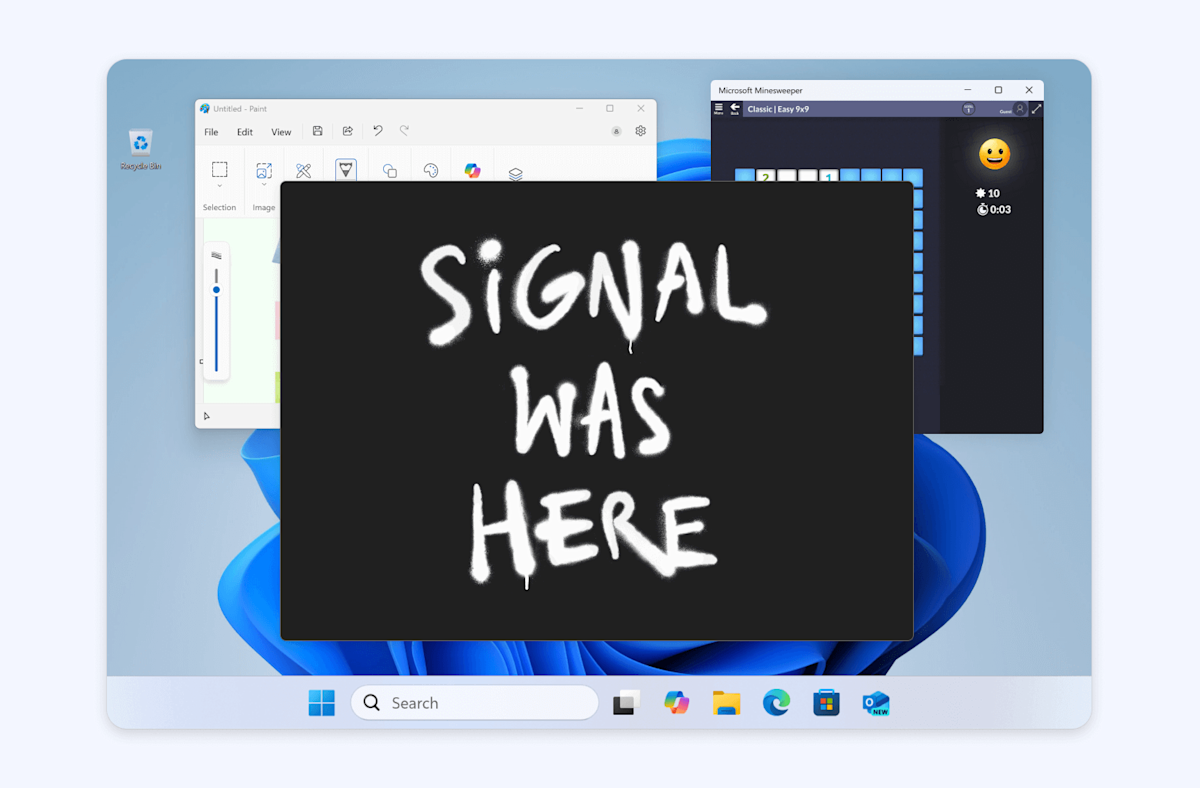
Encrypted messaging platform Signal has unveiled a new feature known as Screen Security for its Windows application. This update aims to bolster user privacy by preventing the recording of screenshots of messages while the application is active.
Enhancing Privacy with Screen Security
The introduction of Screen Security underscores Signal’s commitment to safeguarding user communications. This feature actively prevents Windows devices from capturing screenshots of any content displayed within the app. In a recent blog post, Signal highlighted its concerns regarding the Recall feature introduced in Windows 11, which has motivated the development of this latest capability.
How Screen Security Works
To achieve this level of protection, Signal flags its application as protected under Digital Rights Management (DRM). This classification ensures that any content encompassed by DRM cannot be captured in screenshots on Windows devices, similar to how streaming services like Netflix prevent screenshots from displaying content. Notably, Screen Security will be activated by default but can be easily disabled to accommodate specific user needs, such as utilizing a screen reader.
Signal’s Perspective on Developer Tools
Signal articulated its hopes for future improvements in developer tools, urging AI teams developing features like Recall to consider their implications more thoughtfully. "Apps like Signal shouldn’t have to implement ‘one weird trick’ in order to maintain the privacy and integrity of their services without proper developer tools," the company stated.
The Background of the Recall Feature
The Recall feature within Windows 11 has faced significant challenges throughout its development process, leading to delays and sparking widespread debate on its implications for user privacy and security. While Microsoft is gradually deploying Recall to eligible Copilot+ PCs, skepticism persists among users regarding its readiness for comprehensive use.
Conclusion
With the implementation of Screen Security, Signal aims to enhance the privacy of its users while navigating the complexities of evolving digital tools. As privacy concerns continue to shape the conversation around technological advancements, Signal’s proactive measures serve as a testament to the platform’s dedication to user protection.