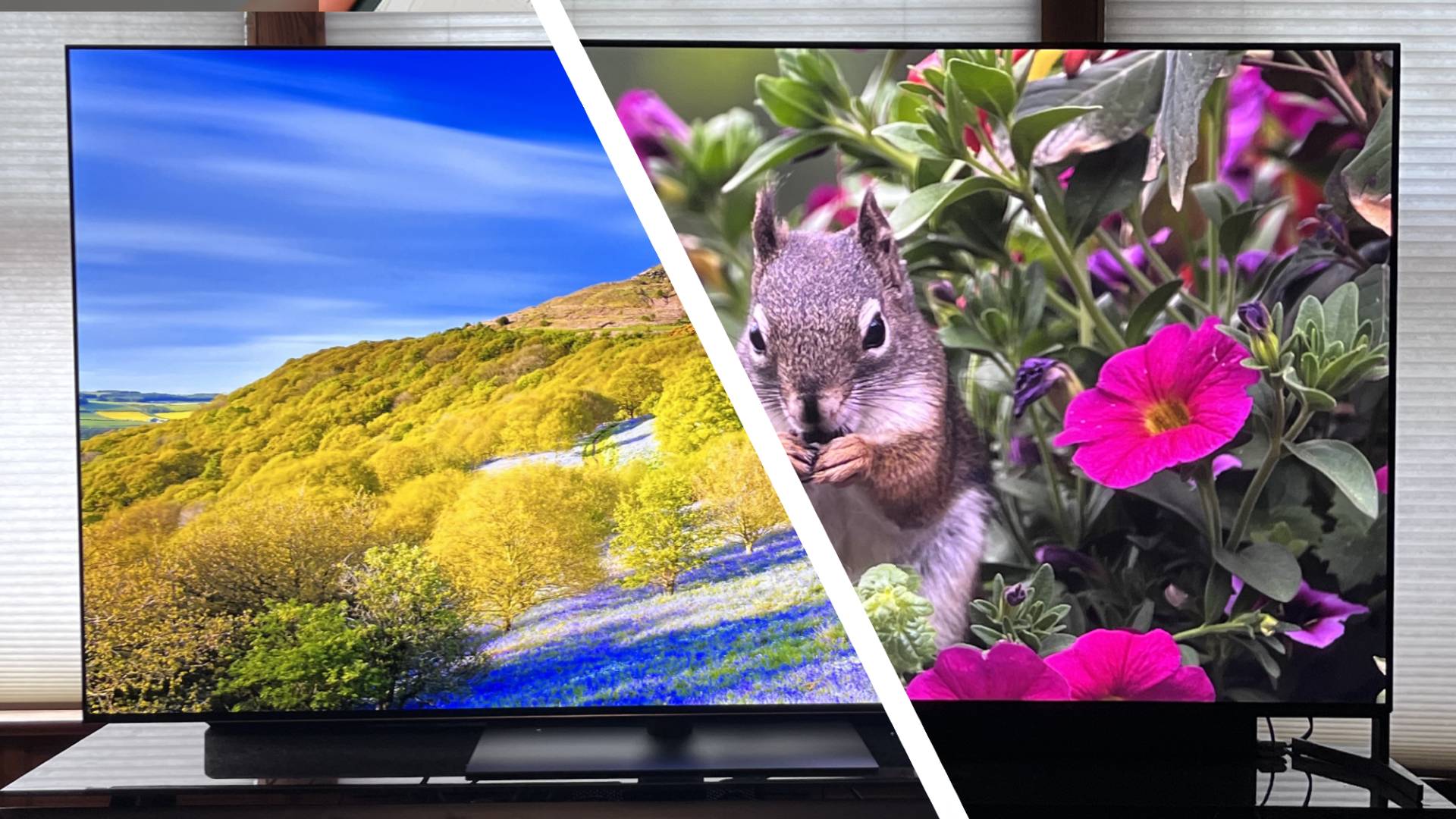
The Sony Bravia 8 II has emerged as the company’s top OLED TV for 2025, retailing at $3,500 in the US, £2,999 in the UK, and AU$3,999 in Australia. Given its flagship status, expectations are naturally high. Last year’s Sony Bravia 9, a mini-LED model, wowed many with its performance, so I was eager to see how the new OLED would measure up. One of the standout claims from Sony is that this model boasts a brightness boost of 150% compared to its predecessor, thanks to its transition from a standard W-OLED panel to a new QD-OLED panel.
While our review of the original Bravia 8 was generally positive, it didn’t quite match the peak brightness levels of the best OLEDs from 2024, like the Samsung S95D and LG G4, which have raised the bar significantly. As we head into 2025, the competition has only intensified, with the LG G5 reaching a staggering peak brightness of 2,268 nits—surpassing many leading mini-LED TVs.
### Brightness Is Key
When it comes to picture quality, brightness plays a critical role. The LG G5, for example, maintains a vibrant image even in well-lit rooms, thanks to its innovative “four-stack” OLED panel. This design employs individual red, green, and blue layers, enhancing both color detail and peak brightness. The result? A stunning visual experience that delivers incredible contrast and vivid colors—highlighting everything from bright highlights to darker scenes, which look equally impressive in daylight.
As for my hands-on experience with the 65-inch Sony Bravia 8 II, I’m still in the early stages of testing. From what I’ve observed so far, its brightness doesn’t quite match Sony’s bold claims of a 150% increase over the initial Bravia 8, which hit a peak of 817 nits. While the Bravia 8 II is indeed bright for an OLED, it appears to be on par with Samsung’s mid-range S90F, which also features a QD-OLED display. However, its overall brightness—especially fullscreen brightness—is somewhat lower compared to that model.
### Evaluating the Price Point
For a flagship OLED, the Bravia 8 II certainly has its strengths. Its picture quality is impressive, yet it still lags behind some competitors in terms of brightness. With a price tag of $3,500, it’s in line with other premium OLED offerings like the LG G5 and Samsung S95D. The Bravia 8 II also touts an elegant design paired with impressive audio features like Acoustic Surface Audio+, which transforms the screen into a speaker, and Acoustic Center Sync for enhanced audio when connected to compatible Sony sound systems.
That said, it’s hard to overlook the Samsung S90F, which offers comparable brightness at a lower price of $2,499. That’s a significant saving that you could put toward additional 4K content or other home theater upgrades.
Does the Sony Bravia 8 II justify its premium price? I’ll be wrapping up my review soon, where I’ll offer a more detailed analysis of its performance and value. For now, it’s clear that the competition in the premium OLED arena for 2025 remains fierce, and Sony has its work cut out for itself. Stay tuned for final thoughts as I continue testing this exciting new model.