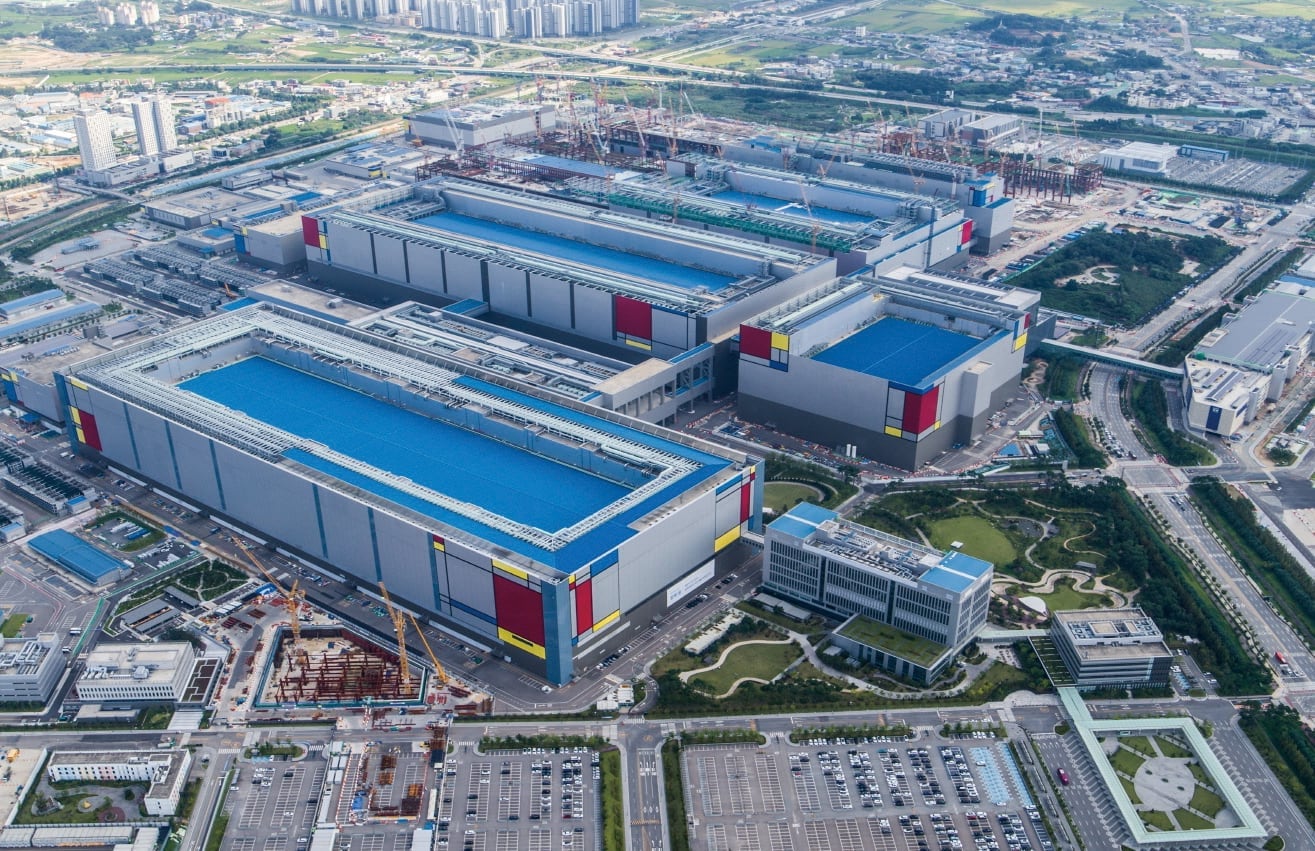
Samsung Electronics plans to discontinue the manufacturing of its previous generation DDR4 dynamic random-access memory (DRAM) chips as it speeds up its move towards more advanced and profitable memory solutions like DDR5 and high bandwidth memory (HBM). This change in strategy arises due to increasing competition from Chinese rivals, notably Changxin Memory Technologies (CXMT), which is rapidly boosting the production of less expensive, outdated DRAM modules.
Citing industry sources, Taiwan’s
Commercial Times
reported on April 23 that Samsung notified companies in Taiwan’s semiconductor material supply chain about its intention to stop producing DDR4 and LPDDR4 chips. The firm asked customers to place their last orders by the halfway point of this year.
The report indicates that Samsung stopped producing 8-gigabyte (Gb) LPDDR4 memory chips fabricated with their 1z-nanometer technology starting from April. They have asked for final purchase orders to be placed by June, ensuring that all deliveries will be finished by October at the latest.
LPDDR, which stands for low-power DDR, is a kind of memory predominantly utilized in portable gadgets. The LPDDR4 version, although regarded as outdated today, saw extensive use in affordable smartphones within China. Samsung’s decision to phase out involvement in this area mirrors an overarching strategy to focus on higher-margin offerings, particularly since CXMT keeps introducing cost-effective, previously generated DRAM into the competitive landscape.
Samsung is presently updating its DRAM production facilities to accommodate advanced future products such as DDR5.
“A semiconductor industry source stated, ‘Although delivery timelines can vary based on the client, it is evident that Samsung is progressively moving away from DDR4.’”
Following its full exit from DDR3 manufacturing last year, the firm has now decided to expedite its phase-out of DDR4 production. This quicker schedule underscores the increasing difficulty presented by China’s swiftly developing memory sector.
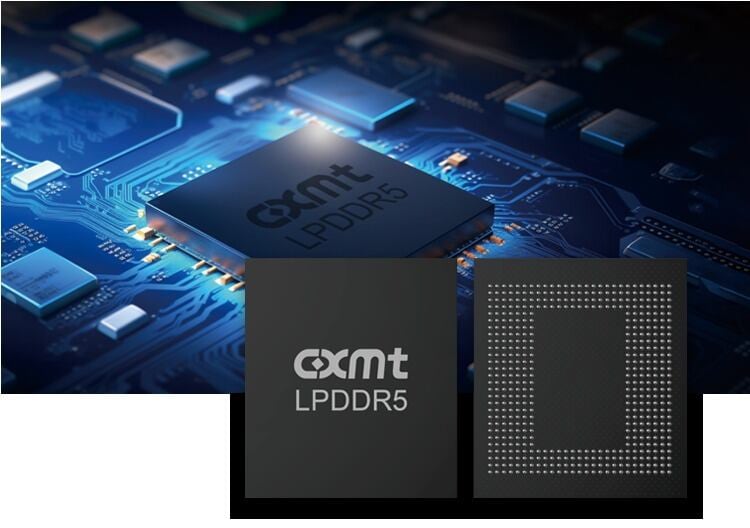

One of China’s leadingDRAM producers, CXMT, is anticipated to significantly boost its DDR4 production in 2025, surpassing earlier forecasts substantially. Data provided by market analysis company Omdia indicates that CXMT’s DRAM manufacturing capacity is projected to hit around 2.73 million wafers for this year, marking an impressive rise of 68% compared to the previous count of 1.62 million wafers recorded in 2024. Experts previously estimated only a 20% growth; however, recent predictions point towards a much larger jump—more than three times higher. Should these trends persist, CXMT might quickly narrow the gap between itself andMicronTechnology, which presently ranks as the globe’s number-three producer of DRAM chips.
Samsung Electronics and SK Hynix, which dominate South Korea’s memory-chip market, have recognized the increasing challenge posed by their Chinese competitors. In an earnings call last year, SK Hynix mentioned that the arrival of inexpensive DRAM chips from China had started affecting its finances negatively. Similarly, during its fourth-quarter earnings discussion, Samsung expressed worries about escalating rivalry in DDR4 and LPDDR4 segments. The firm disclosed intentions to reduce the portion of revenues derived from these older product lines from around 30% this year down to just single-digit percentages by the close of 2024.