Essential Babyproofing Tips for New Parents: A Comprehensive Guide
As new parents, embracing the mobile phase of your baby’s development can be both exciting and daunting. When infants start to explore, coffee tables turn into climbing structures, cabinets transform into treasure troves, and phone chargers become enticing playthings. Babyproofing your home is crucial in creating a secure environment for your little one. This guide outlines practical steps to identify potential hazards, make safety enhancements, and cultivate a space where your child can explore freely and safely.
Why Start Babyproofing Early?
The Importance of Early Preparation
Whether you are expecting a newborn or have an active infant, initiating babyproofing measures early is imperative. Safety expert Holly Choi, owner of Safe Beginnings, emphasizes that babies progress rapidly in their mobility. “Some children can transition from sitting to crawling in a week,” she explains. Therefore, parents should view babyproofing not merely as a task to complete but as an ongoing commitment to ensuring their environment is conducive to safety.
Crucial Safety Checks Before Baby Arrives
Smoke and Carbon Monoxide Detectors
It is vital to have smoke and carbon monoxide detectors installed on every floor, especially near sleeping areas. Regular monthly testing and annual battery replacements are necessary for functionality. According to the U.S. Environmental Protection Agency, homes constructed before 1940 may contain lead-based paint, posing health risks to children and pregnant women. Conducting a lead inspection with a licensed professional is advisable.
Choosing the Right Sleeping Environment
When preparing a crib or bassinet for your newborn, ensure that the mattress is firm and fits snugly within the designated space. Use a fitted sheet specifically designed for that mattress size and refrain from adding pillows, blankets, or soft toys to minimize suffocation risks.
Assessing Tripping Hazards
Rugs can present tripping hazards, particularly when carrying a child. Opt for non-slip pads beneath rugs, eliminate small rugs from high-traffic zones, and clear any obstacles like loose toys or cords from pathways—especially on stairs, where falls can be particularly dangerous.
Preparing Pets for the New Arrival
Introducing a baby to a home where pets reside can be challenging. Establishing routines with pets before the baby’s arrival can ease the transition. Basic obedience training for dogs and acclimatizing cats to baby gates can help maintain harmony in the home.
First Aid Awareness
While not traditionally linked to babyproofing, undertaking first aid and CPR training is vital. Parents can check their local hospital or Red Cross for available courses, including online options.
Inside Babyproofing: Making Your Home Safer
Securing Furniture
One of the primary concerns is securing heavy furniture. Choi advises that anchoring furniture is essential, as tip-over incidents happen swiftly and can lead to serious injuries. Use wall anchors for tall or narrow pieces, and ensure televisions are either mounted securely or strapped down.
Protecting Outlets and Hiding Cords
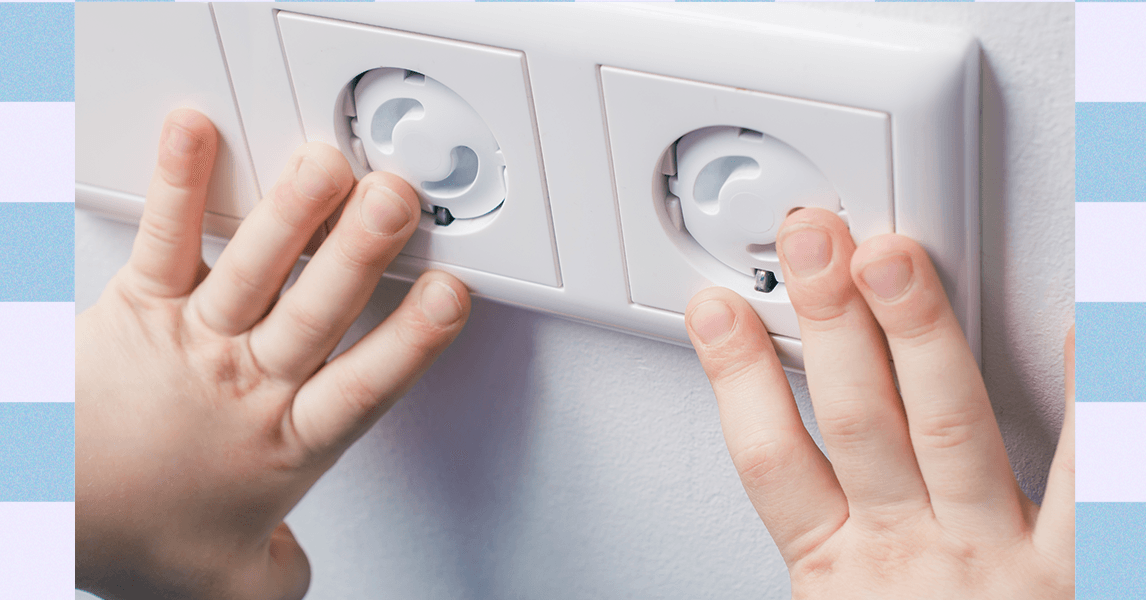
Babies are naturally drawn to outlets and cords. Installing outlet covers can prevent curious hands from exploring electrical dangers. Furthermore, securing cords from electronics can help avert choking hazards and accidents.
Using Baby Gates Wisely
Stairs, kitchens, and bathrooms are particularly hazardous as babies become mobile. Strategically placed baby gates serve as a primary safety measure. Hardware-mounted gates are recommended for the tops of staircases due to their sturdier design, while pressure-mounted gates can be suitable for doorways and hallways.
Softening Sharp Edges
Furniture with sharp corners can pose risks to a child’s safety. Installing corner guards can reduce the chance of injury from bumps against furniture edges. Ensure these guards are securely attached, as babies can remove them if not affixed properly.
Storing Medications and Cleaning Supplies Safely
Given infants’ tendencies to explore with their mouths, all medications and cleaning products should be stored securely out of reach. High cabinets with childproof latches are ideal for keeping hazardous materials safe.
Conclusion
Creating a safe environment for your baby is a significant aspect of parenting that requires proactive measures. By identifying potential risks and implementing appropriate safety precautions early, parents can foster a secure space for exploration and growth. For additional assistance, childproofing professionals can be located through the International Association for Child Safety. Be sure to consult our guides for recommendations on essential baby gear, including strollers, baby monitors, and other must-haves for parents.