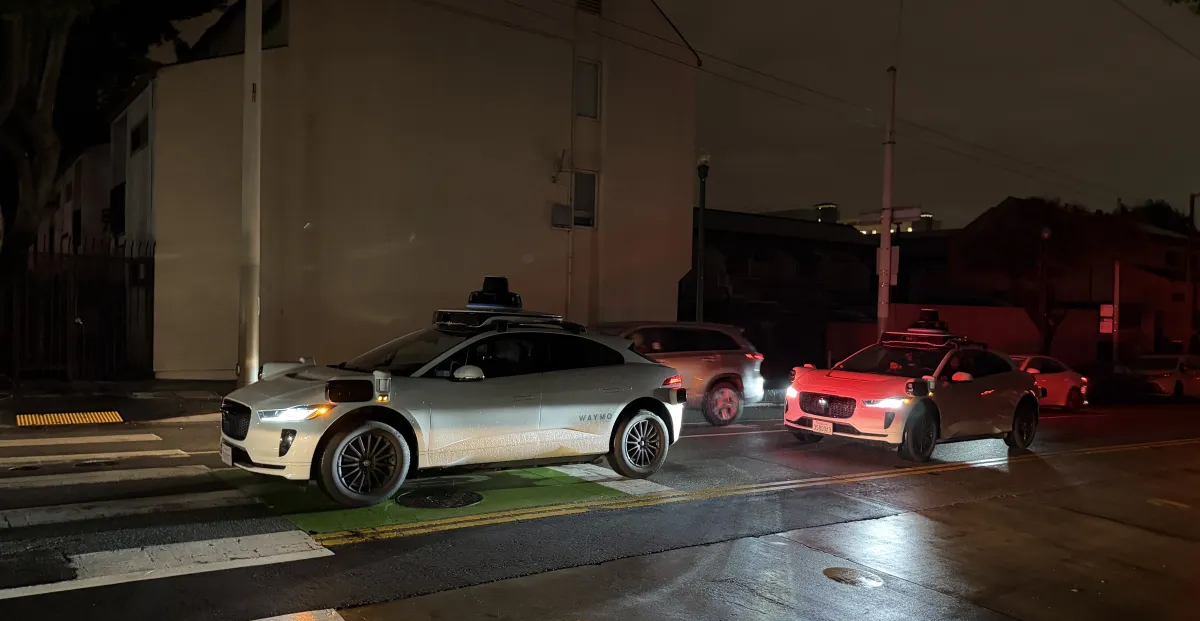
A power outage hit San Francisco on Saturday, affecting around 130,000 customers at its peak, according to Pacific Gas and Electric Company (PG&E). As if that wasn’t enough trouble, the outage also left several Waymo vehicles stranded. Social media was flooded with images of the autonomous SUVs caught in traffic jams. Meanwhile, videos circulated showing Teslas using their Full Self-Driving (FSD) feature to navigate the same streets. Elon Musk chimed in on Twitter, stating that “Tesla Robotaxis were unaffected by the SF power outage.”
In response to a query from The Verge, Waymo spokesperson Suzanne Philion shared the company’s position: “We have temporarily suspended our ride-hailing services given the broad power outage in San Francisco. We are focused on keeping our riders safe and ensuring emergency personnel have the clear access they need to do their work.”
As of 7 AM PT, PG&E reported that it had restored power to about 110,000 customers and was continuing efforts to bring back power to the remaining 21,000 customers, mainly in the Presidio, Richmond District, Golden Gate Park, and some areas of downtown San Francisco. The outages stemmed from repairs needed after a fire at a five-story power substation.
The reason why the Waymo cars were immobilized remains uncertain, as there have been no updates from the company on social media. Speculation suggests that weak wireless data connections might be to blame, with cell towers either down or overwhelmed by people losing access to Wi-Fi. Additionally, streetlights were non-operational without power.
This isn’t the first time such issues have occurred; past TikTok videos have shown Waymo vehicles stuck due to malfunctioning streetlights and during a previous power outage in Austin, Texas. In response to a Reddit post about a similar situation from last year, a user claiming to be a former employee explained that the vehicles depend on a remote assistant and wait for their approval before moving.
According to a company blog post, when Waymo cars face “unique interactions,” they contact a human response agent who receives live and recorded views from the vehicle’s cameras, along with a 3D map generated by its sensors. However, during significant power outages, accessing the necessary bandwidth for this support can be challenging. While I couldn’t find exact numbers on how many remote assistance operators Waymo has on hand at any given time, the company did announce in November that it successfully passed a third-party audit by Tüv Süd, a German technology inspection company that evaluated its remote assistance program against industry best practices.