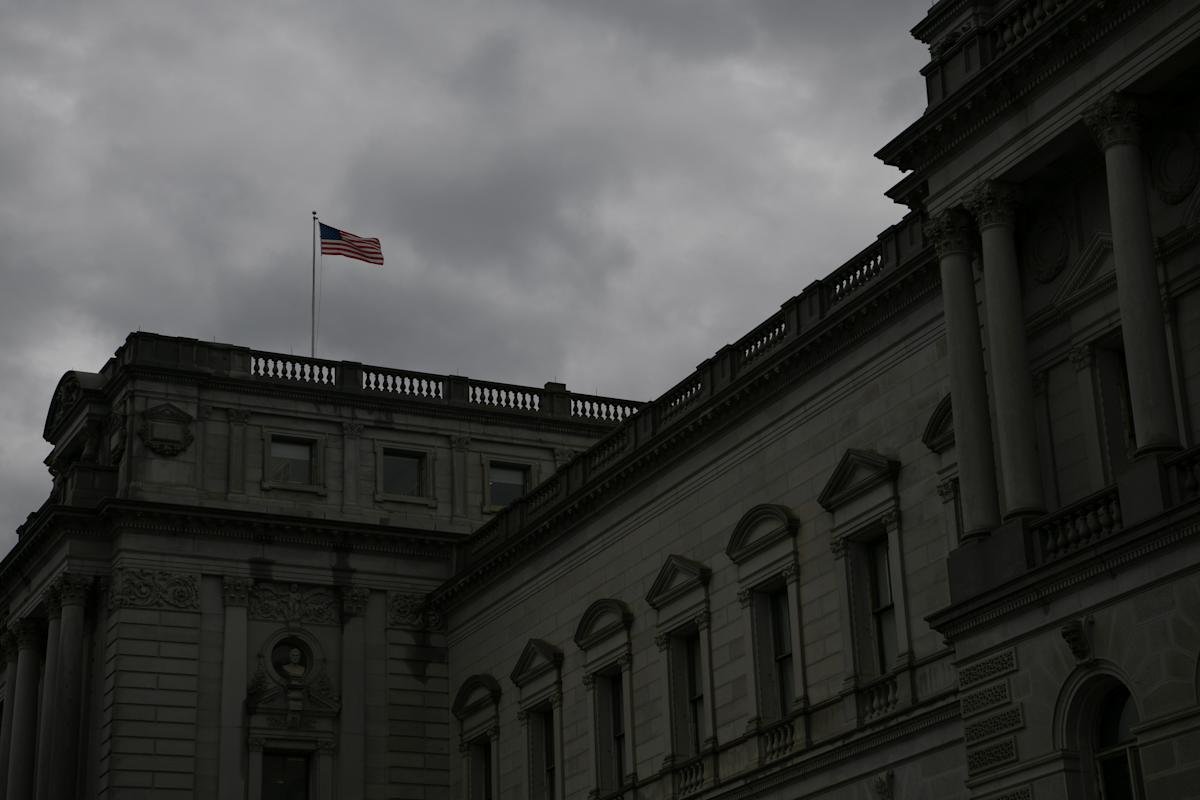
Trump has fired the director of the US Copyright Office, a move that has sparked considerable discussion regarding the implications for copyright law and intellectual property in the United States. The Copyright Office plays a significant role in shaping how creative works are protected and managed, making this decision particularly impactful for artists, writers, and the software industry. Understanding the context and potential consequences of this firing is essential for anyone interested in copyright issues.
In the realm of copyright, the director of the US Copyright Office holds a pivotal position. This individual is responsible for overseeing the registration of copyrights, advising Congress on copyright matters, and representing the US in international copyright discussions. By removing the director, Trump has raised questions about the administration’s approach to intellectual property rights, particularly concerning the balance between protecting creators and fostering innovation.
The reasons behind Trump’s decision to fire this official remain somewhat unclear. Some speculate that it could be tied to dissatisfaction with ongoing copyright reforms or the approach taken towards certain industries. Furthermore, the digital landscape has transformed the way we interact with ideas and creations. Many believe that the previous director was more aligned with traditional copyright principles, which might not have suited the current administration’s vision.
With Trump’s firing of the director of the US Copyright Office, stakeholders in various industries are expressing concern. Artists and musicians rely heavily on copyright laws to safeguard their work from unauthorized use or reproduction. If the new director takes a different stance on enforcement or policy changes, this could either enhance or hinder the protection available to creators.
The technology sector is also closely monitoring this development. Companies that develop software and digital content need robust copyright protections to ensure their innovations are not copied without compensation or recognition. The uncertainty of a new leadership in the Copyright Office raises difficult questions about how current laws might be interpreted moving forward. For instance, will the new director prioritize the rights of creators or be more lenient towards tech companies that argue for fewer restrictions on content use?
Another important aspect of this situation is the timing. Trump’s presidency has already been marked by significant shifts in policy across various sectors, including trade, immigration, and healthcare. How this shift in leadership at the Copyright Office aligns with broader regulatory trends will be closely observed by analysts and advocates alike. Many hope that the changes will lead to a more modern and equitable approach to copyright law, especially in light of the internet’s role in transforming creative markets.
In addition, Trump’s decision prompts discussions about the role of government in regulating creative industries. Some argue that strong copyright laws are essential for maintaining a fair market where artists can thrive. Conversely, critics of stringent copyright practices argue that overly protective laws can stifle innovation and access to information. Balancing these interests is a challenging but necessary task for the new head of the Copyright Office.
Moreover, the international ramifications of this move should not be overlooked. Copyright law is not just a national issue; it has global implications. The United States has been a leader in advocating for strong intellectual property protections globally. Changes in leadership at the Copyright Office could affect how the US negotiates international treaties and participates in discussions about copyright among nations.
Therefore, as stakeholders await the appointment of a new director, the debate surrounding copyright reform continues. Many advocacy groups will likely push for policies that foster creativity while ensuring a fair compensation model for creators. The dialogue must include voices from all affected parties to craft laws that reflect the realities of a rapidly evolving digital landscape.
In conclusion, Trump’s decision to fire the director of the US Copyright Office sends ripples through the creative and technological sectors. The new director will undoubtedly face challenges in navigating the complexities of copyright law in an age dominated by digital media and technology. Artists, creators, tech companies, and lawmakers will be keenly observing how this leadership change influences copyright protection and enforcement in the coming years. Understanding this transition is crucial for anyone engaged in creative fields or those who rely on intellectual property rights. As the situation develops, it will be vital for all parties to stay informed and involved in advocating for balanced copyright protections that benefit creators and users alike. This ongoing discourse will shape the future of copyright law in the United States, reflecting a broad spectrum of interests and perspectives.