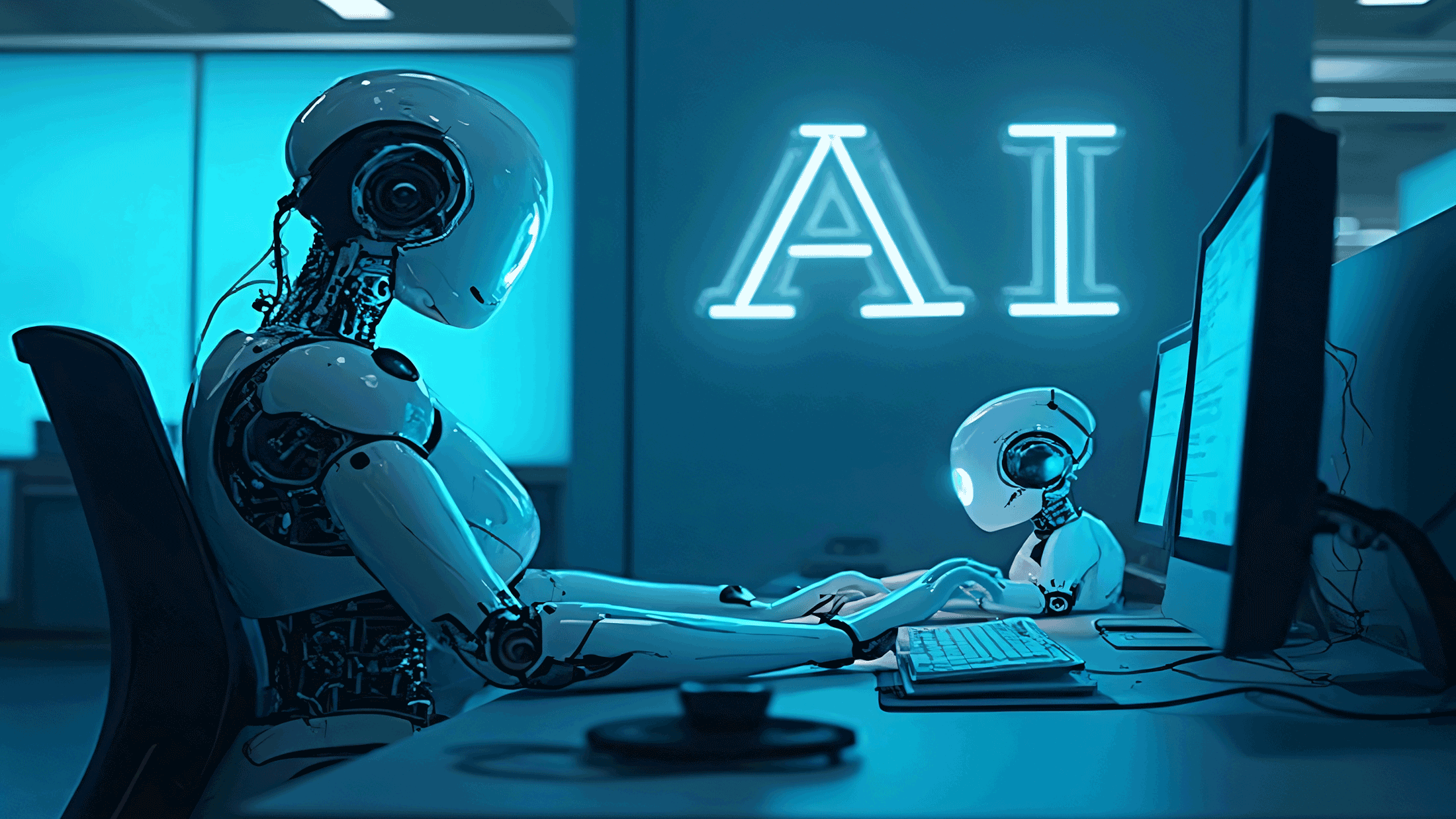
AI’s Role in Content Creation and Brand Development
Artificial Intelligence (AI) is increasingly recognized as a significant player in enhancing efficiency, particularly in the realms of content generation and brand growth. The emergence of AI-driven website builders raises a fundamental question: Can algorithms create content that resonates as personal, original, and true to a brand’s identity? We are embarking on a transformative period in digital creativity, where AI is moving beyond mere task execution to actively influencing brand communication and narrative. However, this transformation comes with both exciting opportunities and ethical considerations.
### The Balance Between Automation and Authenticity
At its essence, design revolves around storytelling and crafting experiences that evoke emotional connections, rather than merely serving functional purposes. Compelling narratives typically do not arise from standard templates. Yet, many initial AI-powered tools prioritized speed over creativity, often resulting in content that feels generic or inconsistent with the user’s brand message.
This critical balancing act between automation and authenticity stands as a central theme in AI-assisted design. This tension also marks a phase of remarkable advancement in the field. The most innovative AI tools today can transcend basic functionalities like filling in placeholder text or utilizing stock photos. They have evolved to integrate brand-specific inputs, design preferences, and user prompts into dynamic, adaptable creative briefs in real time.
### The Importance of a Brand’s Digital Presence
In the current digital landscape, a brand’s website serves not just as a storefront, but as an embodiment of its identity and credibility. Those websites that convey a genuine, personal touch are the ones that truly grab attention. Modern consumers are increasingly seeking more than mere products or services; they are in pursuit of relatable stories and engaging experiences. By articulating a distinctive and consistent voice, brands can nurture deeper emotional ties with their audience, fostering trust and encouraging long-term loyalty. For entrepreneurs and small businesses aiming to distinguish themselves, every design element must hold significance.
### The Emergence of AI Fluency as a Creative Skill
As AI technology becomes more widespread and powerful, a new form of literacy—termed AI fluency—becomes essential for creatives. This involves understanding how to effectively communicate with algorithms to craft appropriate prompts, guide creative direction, and refine AI outputs. Importantly, the future of design hinges not on substituting creative insight with algorithm-driven results, but on constructing frameworks where human expertise and taste are vital and shine through.
Unlike previous waves of automation focused solely on minimizing obstacles, this new generation of AI design tools is being developed not just by engineers but also by artists, branding specialists, and product designers. This development emphasizes artistic direction and intentionality over straightforward automation. Practically, this translates to packaging the nuanced knowledge of seasoned designers into scalable formats that preserve individuality and uphold aesthetic standards.
### Collaboration Between Human Judgment and AI
The essence of innovation lies not solely in the generative models themselves, but in how they can be influenced by human judgment and intent. When overseen and curated by human experts, these tools enhance rather than replace designers. The creativity inherent in these tools allows for outputs that align closely with the brand’s ethos.
Viewing AI as a collaborative partner rather than a substitute offers a chance to rethink the design process. Instead of undermining creative roles, this integration elevates the importance of creative judgment, transforming style and storytelling into essential skills that guide AI systems. The outcome is empowered creators, distinct brand identities, and increased opportunities for personal expression amid an age characterized by automation.
### Democratizing Web Design
This progression in technology is democratizing web design. Websites that previously demanded significant manual effort can now be rapidly created by individuals with vision and minimal time. Additionally, this shift is altering user behavior: more individuals are publishing their websites earlier in the development process and spending less time modifying stock images or adjusting default layouts. These trends indicate that technology is finally aligning with users’ creative aspirations.
### Striving for Genuine Personalization
Nonetheless, the quest for speed is not the ultimate goal. If all AI-generated websites begin to resemble one another, the issue remains unsolved; it has merely been automated. One of AI’s most exciting prospects is its ability to provide personalization at scale, enabling a multitude of combinations in layouts, imagery, tone, structure, fonts, and more. The objective is not merely to duplicate human designers’ work but to deliver products that appear equally well-considered and branded.
True personalization transcends superficial customization; it weaves human nuance, taste, and narrative into design outcomes that unmistakably reflect the individual’s identity. Tools that successfully achieve this do not just produce content; they encapsulate brand personality and the distinctive aesthetic of their creators. When guided by human expertise, personalization evolves beyond templates and transforms into a heartfelt extension of the user’s voice.
### Towards a Human-Centered AI Future
The real potential of AI in design lies not solely in its capabilities but in what it enables individuals to achieve. The genuine measure of progress can be framed around whether we are facilitating creative expression or merely optimizing individuals out of the equation.
Currently, the prospects appear optimistic. AI can play a crucial role in accelerating entrepreneurship, serving as a creative partner for designers, and providing tools for anyone wishing to share their narrative. However, realizing this vision necessitates more than sophisticated algorithms; it demands considerate engineering, ethical design practices, and a commitment to user empowerment.
Systems that emphasize human-centered design do more than boost efficiency; they create opportunities for innovative ideas to surface more quickly, supporting entrepreneurs, small businesses, and creators in establishing high-quality digital presences with fewer roadblocks. In this initiative, technology should continuously enhance creativity, rather than dominate it.
By harnessing the advances in AI, we are not simply automating website creation; we are rethinking how individuals can articulate their ideas and identities online.