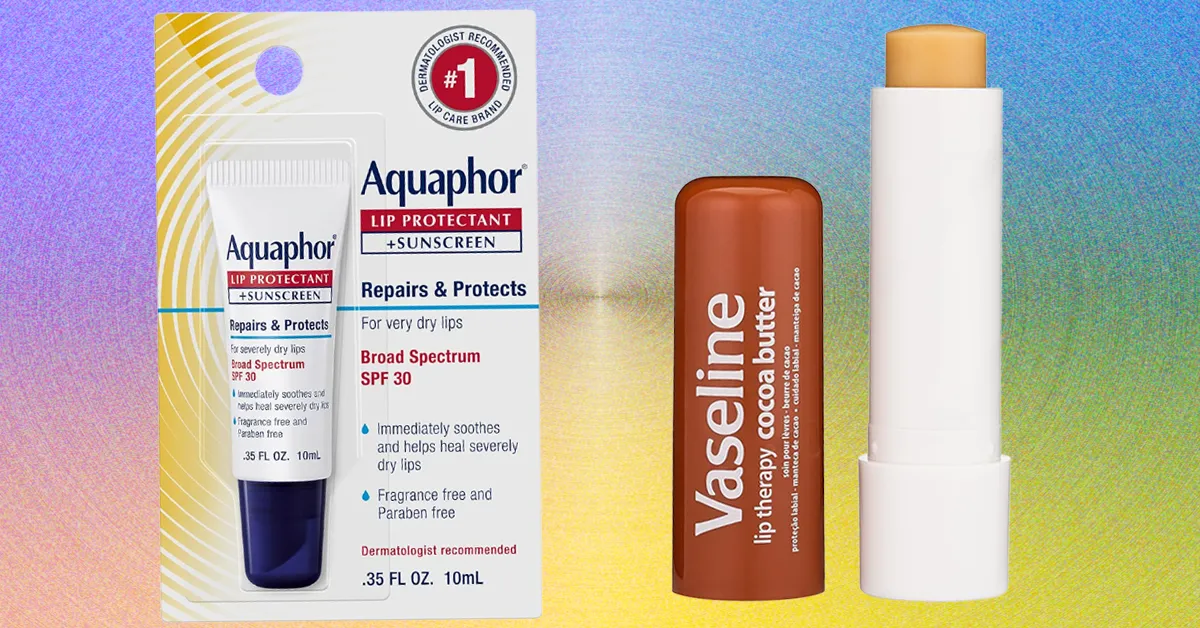
Compare Top 5 Lip Balms
Honorable Mentions


Avoid These Lip Balms
Nivea Dewy Lip Care with Hyaluronic Acid: While Nivea’s Dewy Lip Care is rich in emollients, humectants, and antioxidants such as shea butter and vitamin E, it also contains unnecessary additives like geraniol fragrance and mystery “flavors.” The tinted versions can leave a greasy film and rely on synthetic pigments. There are definitely better options out there that provide long-lasting hydration without excessive shine.
Blistex Lip Medex: With its instant cooling sensation thanks to menthol and camphor, plus a mix of synthetic flavors, this balm sounds appealing but that sting is a warning sign. Generally, “medicated” lip balms tend to cause more problems than they solve.
Carmex Classic Lip Balm: For the same reasons as Blistex, you might want to skip Carmex. It contains camphor and benzocaine, both of which can irritate the skin and worsen cracked lips over time.
Frequently Asked Questions
What Causes Chapped Lips?
There are several triggers for chapped lips, including:
- Cold weather and dry air: These conditions strip moisture from your skin and stiffen keratin, the protein that keeps your lips hydrated.
- Lip licking: Licking your lips may provide temporary relief, but it breaks down your natural barrier, leading to irritation and hyperpigmentation.
- Allergic reactions: Some ingredients in lip balms can trigger allergies, worsening dryness and peeling. Common culprits include castor oil, fragrances, dyes, and preservatives.
- Sun exposure: Your lips are thinner and have less pigment, making them more susceptible to UV damage. This can lead to painful dryness or precancerous spots.
- Tobacco smoke: Smoking increases the risks of glandular cheilitis, causing swelling and cracks while raising the chance of infections and lip cancer.
- Medications: Certain medications, including some antidepressants and retinoids, can lead to dry mouth.
- Underlying conditions: Autoimmune issues like lupus or eczema may first show symptoms on your lips. If your condition persists despite using balms, consult a dermatologist.
What Ingredients Should You Look for (and Avoid) In Lip Balms?
When shopping for lip balms, here’s what you should look for:
- Emollients: Ingredients like castor oil, cocoa butter, shea butter, and coconut oil help repair and smooth chapped lips.
- Occlusives: These create a barrier to lock in moisture. Petroleum jelly and beeswax are solid options.
- Humectants: Look for ingredients that draw water to your lips, like hyaluronic acid, glycerin, and honey.
- Antioxidants: Ingredients such as vitamin E, vitamin C, and niacinamide aid in skin repair and protection from free radicals.
- SPF protection: When choosing a balm, opt for formulations with zinc oxide or titanium dioxide to protect against sun damage.
And here’s what to avoid:
- Synthetic fragrances and flavors: Scents, even if they sound pleasant, can irritate your lips, especially if you’re sensitive.
- Menthol, camphor, and cooling agents: These can worsen dryness over time.
When to See a Dermatologist
The American Academy of Dermatology advises that if your lips remain chapped after two to three weeks of using balm, it’s time to consult a dermatologist. They can help identify any underlying issues, like an allergic reaction or fungal infection, and provide appropriate treatment.
My lip balm obsession began around 2006 with a Fanta Lip Smacker, but for this review, I took a more systematic approach. Over the last eight months, I tested 30 lip balms across different climates—like Chicago’s dry winters and Florida’s heat. I evaluated each one based on several criteria:
- Ingredients: I looked for moisturizing components and flagged anything that might irritate lips, such as synthetic fragrances or menthol.
- Texture: I assessed how each formula applied, wore throughout the day, and layered over other lip products. Anything too waxy, greasy, or that wore off quickly didn’t make the cut.
- Packaging and application: I tested tubes, tins, and sticks, rating them on portability and ease of use.
- Range: This guide covers everything from drugstore finds to luxury treatments, including tinted and SPF options.
What Are We Testing Next?
Get ready for more extensive testing with WIRED. Subscribe today for access to exclusive content that’s essential for staying informed!