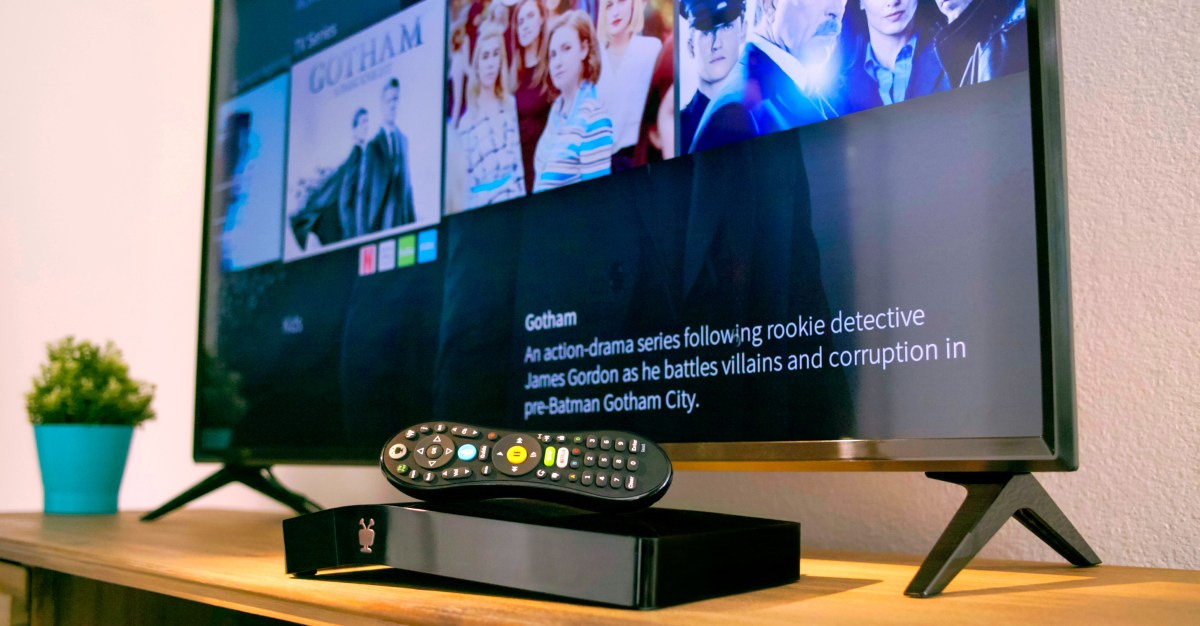
The Evolution and Challenges of TiVo: From Innovator to Industry Reflection
Introduction to TiVo’s Rise
In the early 2000s, TiVo emerged as a pioneering force in the realm of digital video recorders (DVRs). Similar to how brands like Google and Xerox have become verbs in everyday language, "TiVo" transformed into a term synonymous with recording television shows. Viewers began requesting to “TiVo” episodes of popular series, such as Battlestar Galactica, instead of simply asking to record them. While TiVo did not originate the DVR, it played a crucial role in popularizing this technology and introducing features that later became industry standards, such as the ability to pause live TV, rewind broadcasts, and record one program while watching another.
Intellectual Property Defense
Central to its success was the notable US Patent 6,233,389—often referred to as the Time Warp patent. Throughout the 2000s and early 2010s, TiVo invested significant resources into protecting its intellectual property rights, engaging in numerous high-stakes legal battles with industry giants. Most prominently, TiVo’s lawsuit against EchoStar commenced in January 2004 and concluded with a $500 million settlement in April 2011, highlighting the fiercely competitive nature of the television and digital video landscape.
TiVo’s legal endeavors weren’t limited to EchoStar; they pursued patent infringement claims against other key players, including Motorola, Time Warner Cable, and AT&T. In most cases, TiVo emerged victorious. The United States Patent Office even undertook additional examinations of the Time Warp patent, confirming its validity on multiple occasions.
Transition to Licensing Revenue
As TiVo advanced into the 2010s, the company shifted its revenue model towards licensing its technology. However, the landscape was rapidly changing. The launch of Netflix’s streaming service in January 2007, followed by Hulu’s public debut in March 2008, set the stage for a transformation in how audiences consumed media. With the introduction of Roku’s first streaming device in 2008 and the emergence of smart TVs like Samsung’s PAVV Bordeaux, the demand for traditional DVR systems began to wane.
While TiVo offered an array of advanced features—including the ability to schedule recordings remotely via TiVo Central Online and transfer content to computers—its premium pricing became a challenge. By 2008, consumers found it increasingly difficult to justify spending over $200 on a TiVo DVR when many cable providers offered comparable devices at lower costs, bundled within cable subscriptions.
The Rise of Streaming Services
The decline of traditional DVRs coincided with the rising popularity of streaming services. By 2010, traditional pay TV subscriptions in the U.S. peaked at around 103 million households, but projections estimate this figure will fall to 49.6 million by 2025, representing a significant decline in traditional viewership. Popular streaming platforms like Netflix, boasting 89.6 million subscribers by the end of 2024, and Disney Plus, with 56.8 million subscribers in North America, now outpace conventional linear television.
As TiVo was preoccupied with extensive litigation against companies like Google and Time Warner, its user base diminished. The once-innovative brand now found itself overshadowed by competitors who were quicker to adapt to the changing media consumption landscape.
Change in Ownership and Future Directions
TiVo’s trajectory took another turn when it was acquired by Rovi, a firm specializing in intellectual property management through patent licensing. Following this acquisition, TiVo was further integrated into Xperi in 2020, with an emphasis on expanding its patent portfolio rather than enhancing its hardware offerings. The merger announcement notably highlighted its vast intellectual property licensing platform rather than innovations in technology or hardware.
In recent developments, TiVo confirmed that it had sold its remaining stock of set-top boxes as of September 30, marking its exit from the hardware market. The company now aims to refocus on its emerging smart TV operating system, a strategy that some critics suggest may be significantly overdue.
Conclusion
TiVo’s legacy as a household name in digital recording and television innovation remains influential, although its journey through legal battles and market transitions presents a cautionary tale. As streaming technology continues to evolve, TiVo has the potential to adapt and integrate itself into the ongoing revolution of smart TVs and streaming services. However, the question remains whether the brand can reclaim its status as a leader in a market it once transformed.