Envisioning Space Gardens: A Vision for Sustainable Extraterrestrial Agriculture
Introduction
Innovative concepts continue to emerge about the future of industrial and agricultural activities in space, with ambitious projects that could transform our relationship with Earth. Among these ideas is the Space Garden, a visionary model that aims to cultivate plants in outer space, potentially alleviating land use on our planet.
The Vision Behind Space Gardens
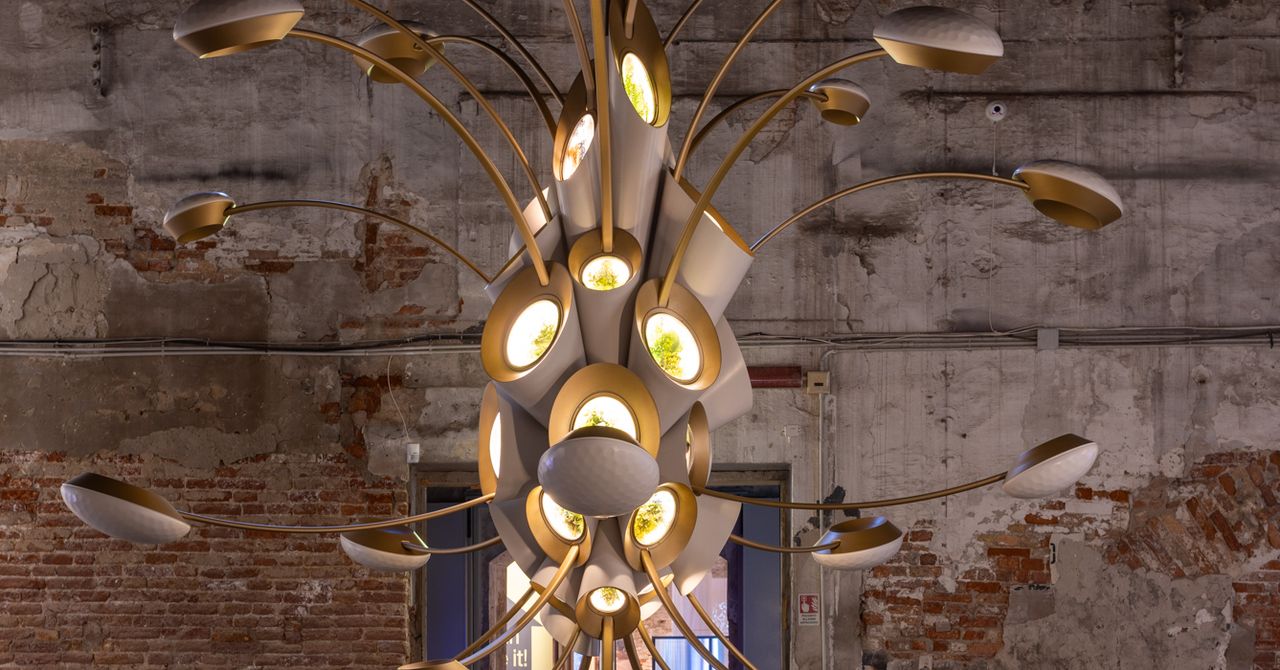
Developed by Millimetre, a design firm based in London, the Space Garden model serves as an imaginative prototype highlighting the possibilities of space agriculture. Although the current design is only for display purposes, the concept envisions a future where this structure could operate independently, with humans visiting it at critical intervals.
Aesthetics and Public Appeal
Dr. Ekblaw, one of the leading figures behind the Space Garden initiative, emphasizes the importance of creating an aesthetically appealing design to engage the public’s interest. "It’s something that can recapture the public’s imagination," she explains. The design features retractable telescopic appendages that resemble thin lobes, which can be opened to allow sunlight to nourish the plants within.
Structural Design and Functionality
The Space Garden’s unique form operates much like a protective shell when closed, ensuring that the central plants are shielded from excessive light. These mechanical features mimic the natural day-night cycle on Earth, allowing for controlled light exposure.
As the project evolves, Dr. Ekblaw envisions astronauts occasionally collecting samples from the Space Garden. Importantly, the initiative aims to generate open-source data on environmental conditions and plant growth rates, which would contribute valuable insights into cultivating food in a space environment.
Perspectives from Experts
When presented with the Space Garden concept, some experts expressed skepticism about the necessity of large-scale food production in space, arguing that ample supplies could be provided for astronauts’ needs. However, Dixon, a researcher in space agriculture, acknowledges the psychological benefits of having familiar plants alongside astronauts—an idea that could enhance their well-being during missions.
Alistair Griffiths, Director of Science at the Royal Horticultural Society, commends the approach but notes potential challenges in the complex transportation of such intricate designs. He believes that maintaining beauty and a connection to nature is essential for any space gardening initiative.
Unique Plant Preferences
Personal preferences could significantly influence the types of plants grown in space. Researchers and astronauts have diverse tastes—Dixon, for instance, dreams of cultivating barley on the Moon, reflecting his ongoing experiments with seeds sent to orbit. Griffiths, on the other hand, envisions a strawberry plant adorned with bright red petals, realizing that any space crop must be both visually appealing and edible.
Conclusion
The concept of Space Gardens illustrates a forward-thinking approach to sustainable agriculture and mental health for astronauts. As research progresses and funding opportunities become available, the dream of cultivating life in the cosmos could soon transition from science fiction to a tangible endeavor, ultimately benefiting both space exploration and agricultural practices on Earth.