Kelly Reichardt’s "The Mastermind": A Unique Take on the Art Heist Genre
Introduction to the Film
Renowned filmmaker Kelly Reichardt, celebrated both for her distinctive voice and understated storytelling, has ventured into new territory with her latest project, The Mastermind. This film, which portrays a botched art heist, marks a significant shift for Reichardt, presenting her most ambitious production to date in terms of budget and narrative complexity.
While her previous works—such as First Cow, Showing Up, and Wendy and Lucy—focus on quieter, intimate stories, The Mastermind challenges audiences with a character-driven narrative centered on the failures and charm of its protagonist.
Plot Overview and Character Focus
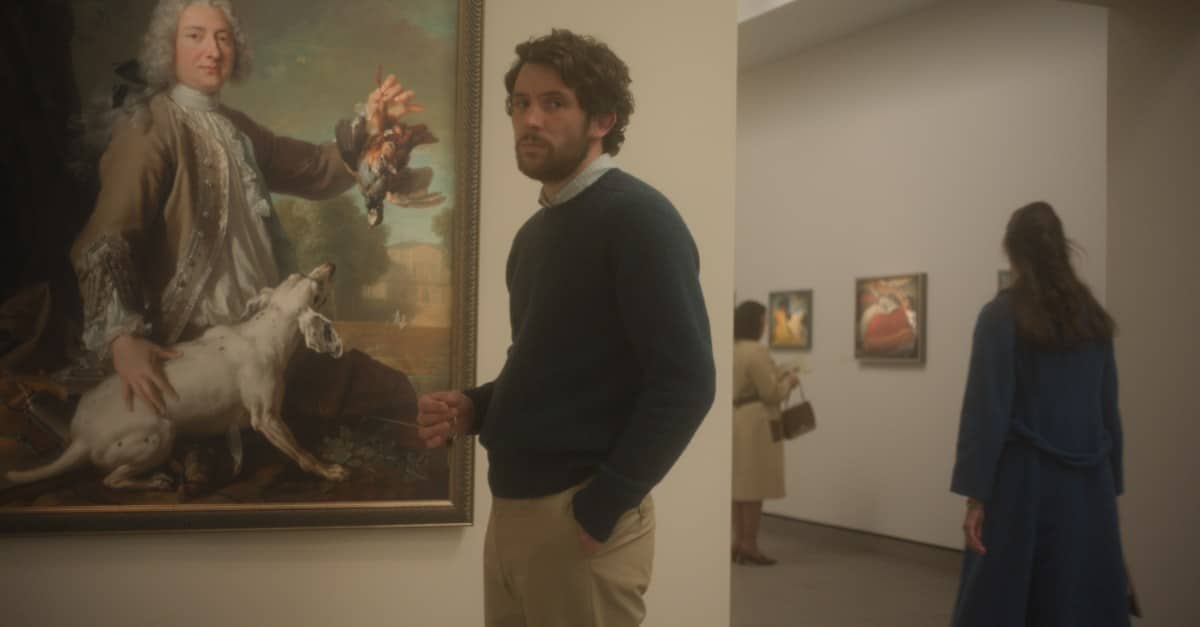
Starring Josh O’Connor, known for roles in Challengers and upcoming films by acclaimed directors Steven Spielberg and Joel Coen, The Mastermind features O’Connor as J.B. Mooney, a thief grappling with the consequences of his privileged background and good looks. The storyline kicks off with an elaborate art theft involving works by Arthur Dove, inspired by a real incident from 1972 at the Worcester Art Museum. However, the true tension lies not in the act of theft but in the aftermath, as Mooney faces mounting challenges in managing his ill-gotten gains.
Reichardt refers to The Mastermind as an "anti-heist" film, one that offers a thoughtful exploration of character rather than adhering to traditional heist tropes.
Directorial Approach and Challenges
In an exclusive interview with The Verge, Reichardt delved into her creative process and the logistical challenges of making this film. She explained that, despite her initial intentions to explore a new style, the editing process revealed familiar elements present in her past films. "Every film has its own unique footprint," she noted.
Discussing the shooting process, Reichardt acknowledged the difficulties in managing night scenes and intricate car sequences, all while working within budget constraints. A major highlight was the construction of the film’s museum interior in a warehouse setting, an experience that provided an engaging environment for her crew.
Thematic Depth and Reflection
Reichardt has positioned The Mastermind within a historical framework, asserting that looking back allows filmmakers to better understand and comment on contemporary issues. She believes in the importance of creating art that reflects on the past, serving as a lens through which current political and social dynamics can be analyzed.
While the film addresses the complexities of failure and social privilege, Reichardt emphasizes its nuanced exploration of personal identity and community. “Depending on your standing in society, external systems either support or hinder your progress,” she elaborated.
Conclusion and Expectations
As The Mastermind prepares to captivate audiences, it stands out not just for its thrilling premise but also for its introspective examination of character and circumstance. By stepping away from conventional genre expectations, Reichardt invites viewers into a rich narrative that resonates on multiple levels.
As the release draws near, anticipation builds around how this film will alter perceptions of the heist genre and illuminate the quiet struggles of its characters amid a backdrop of art and ambition.