Tesla Launches Robotaxi Service with Caution Amid Safety Concerns
Introduction to Tesla’s Robotaxi Initiative
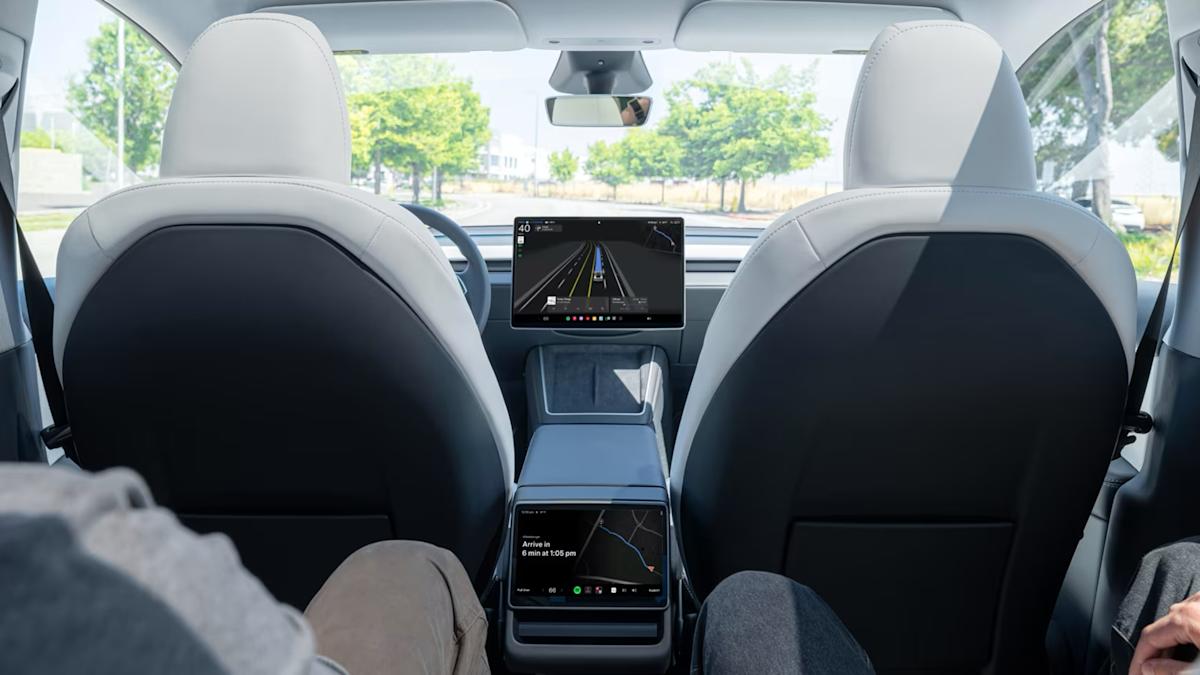
Over the past weekend, Tesla officially rolled out its highly anticipated robotaxi service, yet the launch has occurred under a framework of stringent human oversight and a limited fleet. While the service may not meet the extensive expectations previously set by the company, this careful approach seems prudent, especially in light of early operational challenges.
Noteworthy Incidents During Initial Testing
A video shared by Rob Maurer on X revealed a notable event where a Tesla robotaxi attempted to navigate on the incorrect side of the roadway. The footage, highlighted by Bloomberg, documented a ride that largely progressed without major issues, transitioning through turns and lane merges smoothly. However, approximately seven minutes into the journey, the vehicle exhibited erratic steering behavior and crossed over a double-yellow line, indicating a deviation from proper driving protocol. Observers noted a horn sounding as the robotaxi corrected its course.
Whether this correction was automatic or influenced by an external monitoring party remains unclear, as the in-car supervisor did not intervene during the incident. Such instances have raised questions about the reliability and safety of Tesla’s autonomous driving technology.
Safety and Compliance Challenges
Additional reports from early users highlight incidents of robotaxis exceeding speed limits. This raises concerns regarding operational safety, particularly when compared to competitors like Waymo, which adheres rigorously to traffic regulations in Austin.
Tesla’s Full Self-Driving (FSD) system has faced significant scrutiny leading up to the launch of the robotaxi service, particularly due to its association with past safety incidents. In June, The Dawn Project conducted a controversial demonstration where a self-driving Tesla repeatedly struck child-sized mannequins, thereby highlighting flaws in its detection capabilities. Moreover, the National Highway Traffic Safety Administration (NHTSA) is currently investigating the FSD system in connection with four separate accidents.
Conclusion
Tesla’s entry into the robotaxi market signifies an ambitious move towards fully autonomous transportation. Nevertheless, as the company navigates early operational challenges, the fine balance between innovation and safety will be crucial to its success. With ongoing investigations and safety assessments, observers will remain vigilant regarding Tesla’s approach to addressing these significant hurdles in its evolving technology.