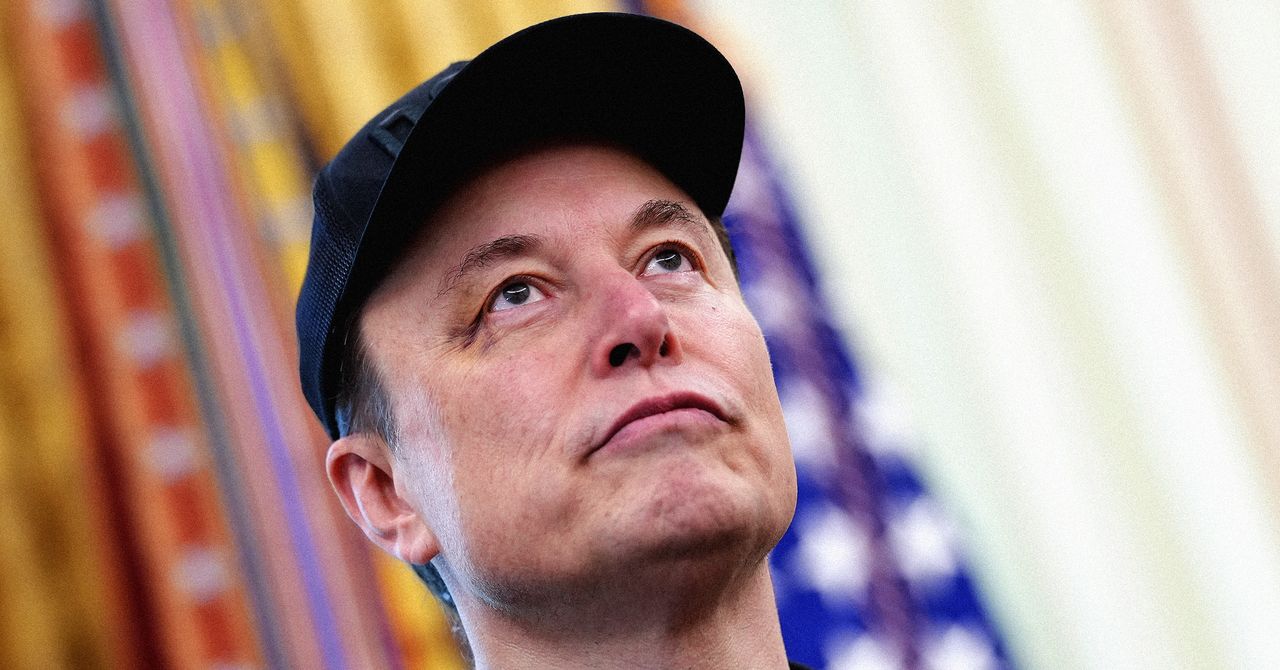
On Thursday, Tesla shareholders backed an unprecedented $1 trillion compensation package for CEO Elon Musk. This massive pay plan will take effect by 2035, provided Musk and the company meet ambitious financial and production goals. If successful, Musk’s control of the company will rise to about 25 percent, up from the 12 percent he currently holds. Over 75 percent of Tesla shareholders supported this decision in a preliminary vote. Musk celebrated the outcome onstage at Tesla’s Gigafactory in Austin, Texas, alongside two dancing humanoid robots, the company’s Optimus products. “Look at us, this is sick,” he remarked.
To achieve these targets, Tesla needs to excel in sectors beyond just electric cars and ensure Optimus can do more than just dance. The company must outshine its competition in autonomous driving technology and robotics. “Tesla will have to be the market leader not only in the U.S. but also in Europe and other regions,” says Seth Goldstein, a senior equity analyst at Morningstar, a financial services firm.
Specifically, Tesla aims for an $8.5 trillion valuation within the next decade, the delivery of 20 million vehicles, the rollout of 1 million robots, operation of 1 million robotaxis, and the sale of 10 million subscriptions for its “Full Self-Driving” software over a three-month period, among other financial benchmarks.
The vote represents a victory for Musk, whose previous pay package, a $50 billion deal proposed in 2018, faced litigation after a shareholder claimed Musk exerted too much influence over Tesla’s board, causing the company to potentially neglect its legal responsibilities to shareholders. This lawsuit was filed in Delaware’s Chancery Court and prompted Tesla to reincorporate in Texas. A panel of judges is expected to make a final ruling on the appeal in the coming months.
Prior to the vote, Tesla’s board contended that the hefty pay package was essential for keeping Musk engaged as CEO and focused on the automaker’s future. During a call with investors last month, Musk indicated that he would struggle to drive advancements in robotics and autonomy without significant influence over the company. “If we build this robot army, do I have at least a strong influence over this robot army?” he asked. “I don’t feel comfortable building that robot army unless I have a strong influence.”
Following the vote on Thursday, Musk informed investors that production of the Cybercab—a self-driving vehicle designed without a steering wheel or sideview mirrors—would commence in April. The company will need federal approval to put this unconventional vehicle on the roads.