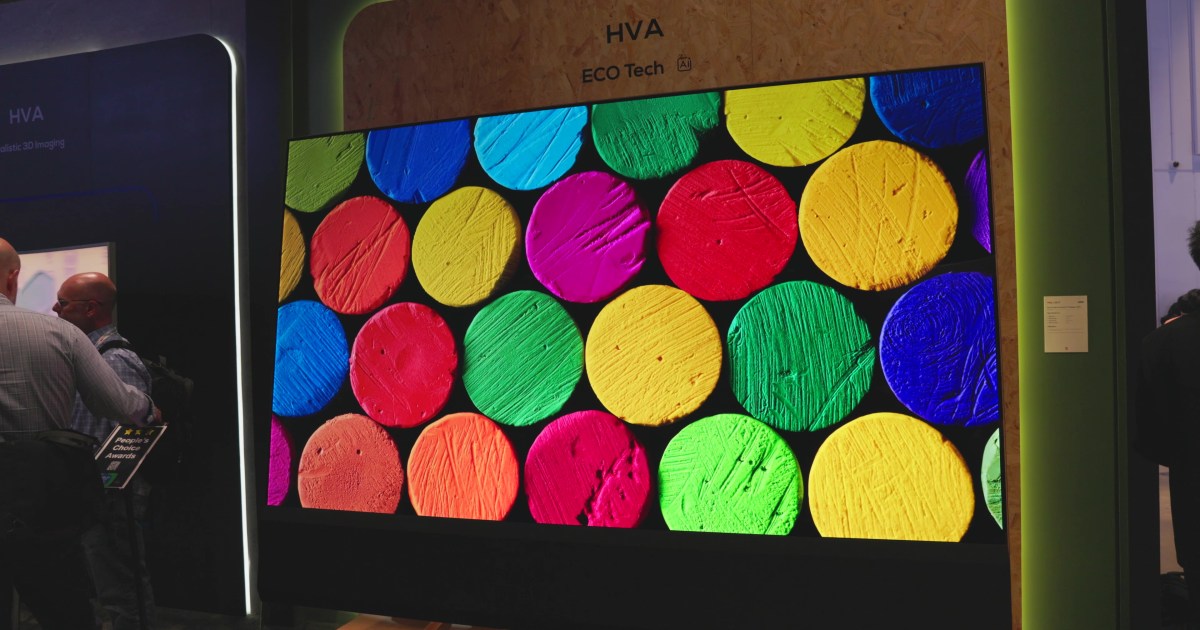
TCL CSOT Unveils Innovations at SID Display Week 2025
At the recent SID Display Week 2025, TCL CSOT presented significant breakthroughs in various display technologies, showcasing their advancements in IJP OLED, MLED, and APEX initiatives. As the B2B segment of TCL, the company has been at the forefront of innovations aimed at enhancing display capabilities. This article delves into each technology highlighted by TCL CSOT, summarizing their implications for the future of displays.
### Understanding IJP OLED Technology
Inkjet Printing OLED (IJP OLED) technology represents a novel approach in the production of OLED televisions. Unlike traditional methods that utilize vacuum chambers and evaporation, IJP OLED employs a printing technique to apply organic materials onto OLED panels. This approach not only streamlines the manufacturing process but also minimizes waste, making it more efficient.
TCL CSOT is recognized as a leading producer of OLED panels using the IJP method. They revealed impressive advancements at the Display Week, including the mass production of a 21.6-inch 4K OLED display in 2024. This year, they introduced a range of new displays: a 6.5-inch smartphone screen, a 14-inch tablet display, a 14-inch laptop screen, a 27-inch monitor, and a 65-inch television. These developments signify a significant expansion in the applications of IJP OLED technology, with plans for large-scale manufacturing of full-size televisions in the future.
### Exploring Micro LED (MLED) Technology
Micro LED (MLED) technology offers a transformative approach to display design, enabling precise control over individual pixels. Unlike conventional displays, MLEDs generate their own light, allowing for enhanced response times, a wider color spectrum, and the ability to produce true blacks by turning off individual pixels completely.
At Display Week 2025, TCL CSOT unveiled several groundbreaking innovations in MLED technology. They presented the world’s smallest silicon-based MLED display, measuring just 0.05 inches with a resolution of 256×86 pixels, ideal for applications such as smart glasses. On the other end, they showcased an impressive 219-inch MLED display, featuring an ultrawide resolution of 5760×1440 pixels and a refresh rate of 120Hz, achieving over 98% coverage of the DCI-P3 color gamut.
Moreover, TCL CSOT introduced several unique MLED applications, including an ultra-bright display designed for automotive use and a transparent MLED display that holds promise for augmented reality experiences and museum installations. The company’s efforts are pushing MLED technology’s boundaries, demonstrating versatility and scalability.
### Innovations Under the APEX Initiative
For those looking for practical applications in display technology, TCL CSOT’s APEX initiative offers valuable insights. The APEX framework aims to enhance consumer displays for an “Amazing” experience, ensure safety and comfort (“Protective”), promote eco-friendly manufacturing practices (“Eco-friendly”), and push the frontiers of display technology (“Unlimited”).
At Display Week 2025, TCL CSOT highlighted several results of this initiative, including an LCD television hailed for its exceptional image quality, a mobile OLED display boasting 95% ultra-wide color gamut coverage, and an LCD display designed to replicate the full spectrum of natural sunlight for improved visual comfort. Additionally, TCL CSOT showcased displays demonstrating substantial reductions in power consumption, further exemplifying their commitment to sustainable technology.
### Conclusion
The advancements presented by TCL CSOT at SID Display Week 2025 reflect a promising future for display technology. From the efficient production of IJP OLED panels to the innovative applications of MLED, and the practical applications stemming from the APEX initiative, these developments indicate that TCL CSOT is not only expanding the possibilities within the display industry but also moving toward creating more sustainable and user-friendly technologies. Consumers can expect to see these innovations integrated into televisions, smartphones, and wearable devices in the near future, marking a significant step forward in the evolution of display technologies.