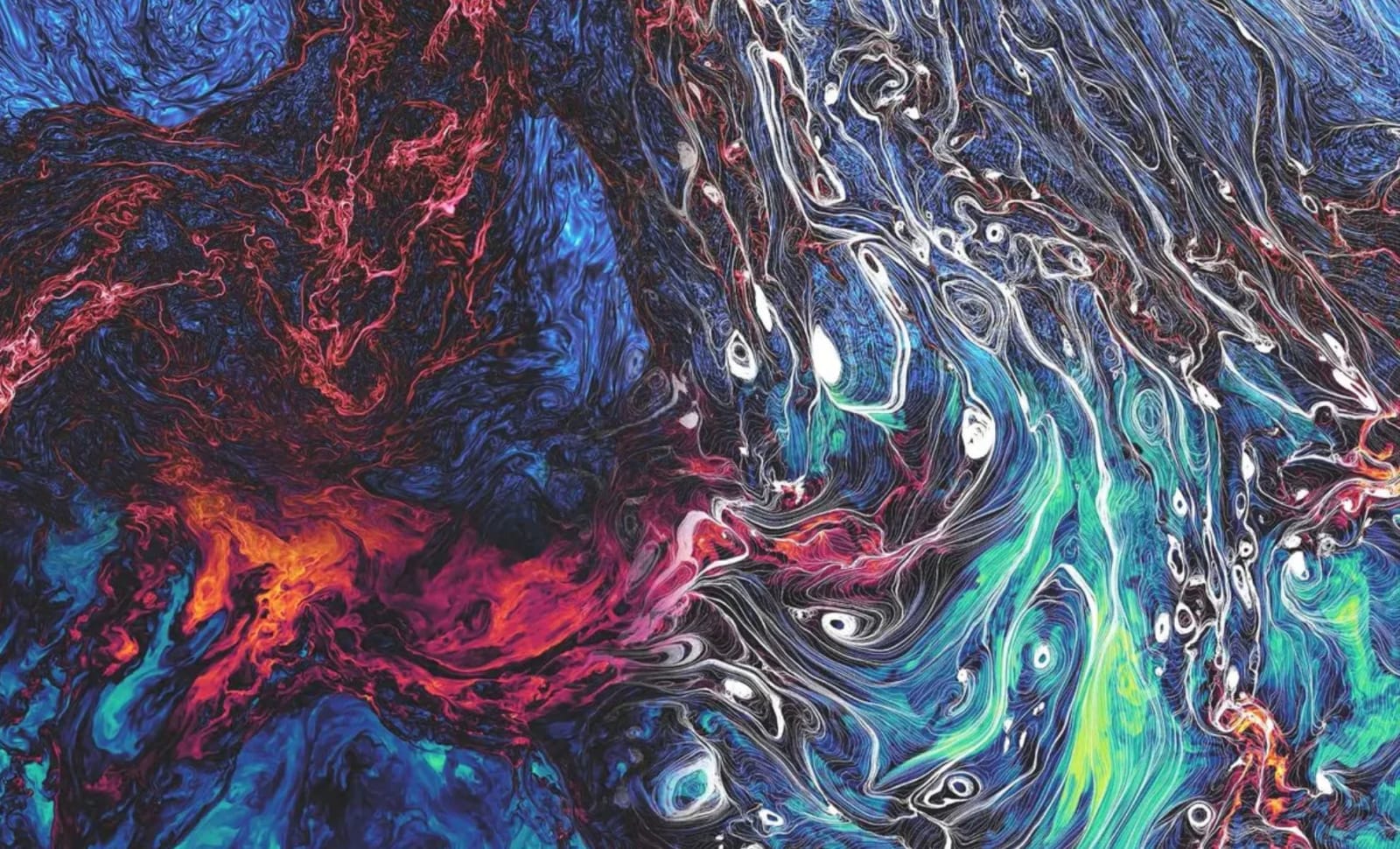
A groundbreaking study
published in
Nature Astronomy
offers an unparalleled view of the chaotic magnetic forces sculpting our Milky Way galaxy. Through cutting-edge simulations, scientists have, for the first time, depicted the intricate interaction between magnetic fields and plasma turbulence over extensive ranges within the interstellar medium (ISM). This study provides fresh perspectives on a process that influences everything from galactic formations to conditions near Earth.
Exploring Turbulence Across Cosmic Scales
Turbulence is one of the most challenging phenomena in physics, and its presence in space adds layers of complexity that scientists are only beginning to decode.
James Beattie
The principal researcher behind the study highlighted, “For the first time, we have been able to examine these phenomena with such high accuracy and across various scales.” This turbulence manifests universally, ranging from common occurrences like the eddies formed when stirring milk into coffee to the tumultuous movements within the solar wind’s plasma and extending to the turbulent dynamics observed in intergalactic space.
This research extends the limits by precisely simulating the chaotic magnetic setting within the interstellar medium, an area teeming with ionized gas, dust, and more.
cosmic rays
. Understanding these turbulent processes helps explain how matter and energy move and interact in space, affecting star formation, cosmic ray propagation, and galactic evolution. The study’s simulations provide detailed maps of magnetic fluctuations, revealing extreme density variations in the ISM that previous models failed to capture.
How New Simulations Are Reshaping Our Insight Into Space Weather
The team’s simulation presents fresh possibilities for exploring space weather—the phrase used for charged particles and magnetic fields that affect satellites, astronauts, and earthly infrastructure. “Our simulation excels at depicting the dramatic variations in interstellar medium density, which earlier models failed to consider,” stated Beattie. This progress enables scientists to more accurately forecast the movement of solar and cosmic rays within chaotic spatial conditions.
The consequences for our planet and human technological systems are substantial. According to Beattie, “Initial tests comparing the model with current data from the solar wind and Earth have been quite promising.” Precise modeling of space weather events is essential for safeguarding satellites, guaranteeing astronauts’ well-being, and comprehending impacts on terrestrial power networks and communication infrastructures.
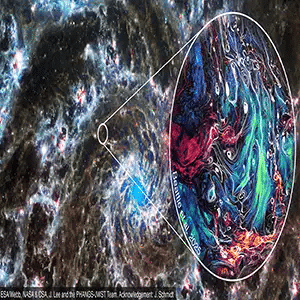
The Ongoing Enigma of Turbulence in Classical Physics
Even though it is widespread, turbulence still poses a mystery in the field of physics. As James Beattie noted, “Turbulence continues to be one of the most significant unresolved issues in classical mechanics,” underscoring the challenge of forecasting turbulent flows both on our planet and beyond. This research offers new insights through the use of advanced computational capabilities and physical principles to simulate these intricate movements within the galactic magnetic setting.
This study spans from the tiniest swirls of plasma all the way up to vast cosmic magnetic fields, shedding light on how turbulence influences both nearby regions and entire galaxies. Such insights could enhance the accuracy of astrophysical models, possibly affecting upcoming space expeditions and advancing theories in physics.
Progressing Space Research through Accurate Cosmic Simulations
This study marks a significant advancement in space science, allowing scientists to examine the interstellar medium with exceptional accuracy. The advanced model elucidates occurrences that were previously challenging to detect or replicate through simulation, providing experts with a robust instrument for investigating the ever-changing conditions within our galaxy.
James Beattie captured the enthusiasm: “This development is incredibly thrilling as it allows us to study space weather through simulations. Understanding space weather is crucial since it involves charged particles that impact satellites and astronauts in orbit and also affect life on Earth.” This groundbreaking simulation has the potential to transform how researchers forecast and comprehend phenomena related to space weather, impacting both technological advancements and the security of space exploration.
Enjoyed this article?
Subscribe to our free newsletter
for engaging stories, exclusive content, and the latest news.
To find similar stories, check out
GAPTEKZONE
.