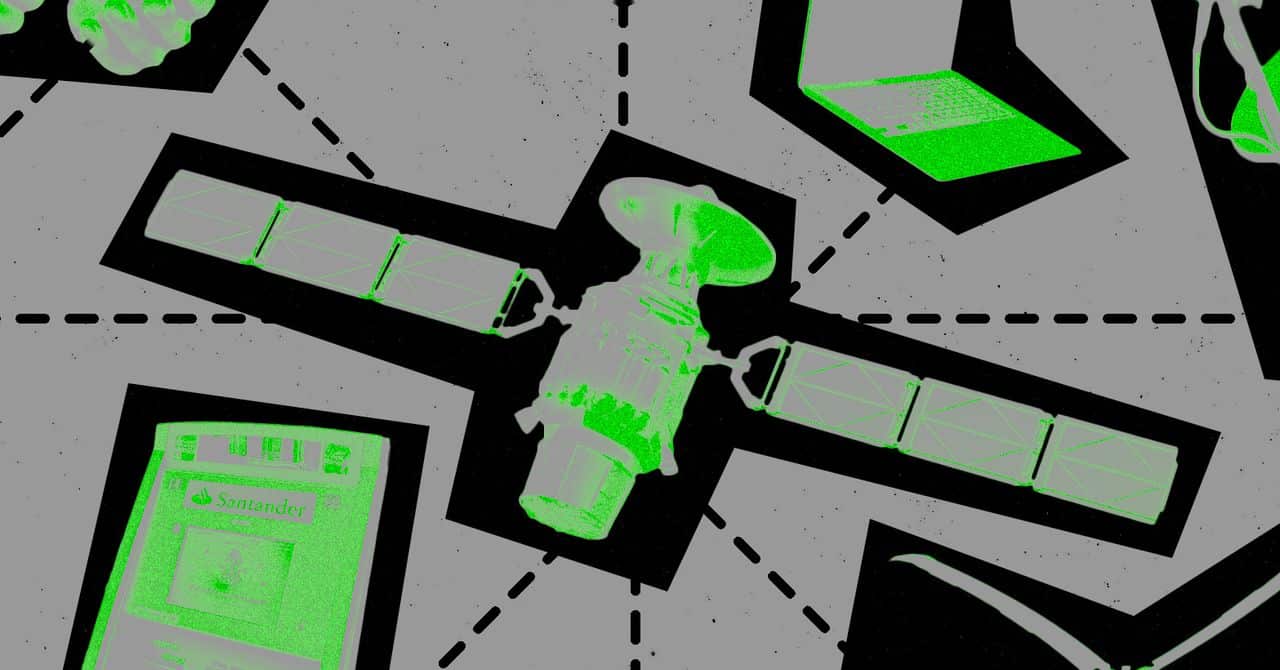
Low-Cost Satellite Data Acquisition Raises Security Concerns
Introduction: Unveiling Vulnerabilities in Satellite Communications
Recent research has exposed significant vulnerabilities in satellite communications, highlighting the ease with which sensitive data can be accessed using off-the-shelf technology. The study, conducted by a team from Georgetown University, emphasizes that basic hardware can be utilized to capture unencrypted satellite transmissions, raising alarms about the security measures in place.
Affordable Setup: Accessing Sensitive Information
The researchers executed their experiment using readily available equipment, totaling less than $800. This included a $185 satellite dish, a $140 roof mount, a $195 motor, and a $230 tuner card. Matt Blaze, a computer scientist and legal expert at Georgetown University, remarked, “This was not NSA-level resources. This was accessible for anyone, including standard DirecTV users. The threshold for conducting similar attacks is alarmingly low.”
Replication Potential: A Call to Awareness
The team is concerned that their findings could inspire numerous individuals to replicate their methods globally. Blaze warned that within weeks, many could independently investigate satellite transmissions. The only significant hurdle to replication involves the extensive time dedicated to adjusting the satellite on their rooftop—a process involving hundreds of hours.
Moreover, to facilitate broader exploration, the researchers plan to release an open-source software tool named "Don’t Look Up," which will assist in decoding satellite data. This initiative aims to make it simpler for users to engage with queries related to satellite communications.
Implications for Security: Balancing Risks and Protections
While the researchers acknowledge the potential misuse of their findings, they advocate that this knowledge should prompt satellite data owners to bolster their encryption protocols to safeguard sensitive information. As Andrew Schulman, one of the researchers, stated, “Our focus is on identifying vulnerabilities and working towards securing them.”
Government Surveillance: Existing Threats
The implications of this study are likely to resonate with security agencies, as it is believed that intelligence organizations, including the U.S. National Security Agency (NSA), have been exploiting the unencrypted data for years. A 2022 advisory from the NSA highlighted the risks associated with the lack of encryption in satellite communications. It is suspected that intelligence agencies from various nations, including Russia and China, have established similar setups to intercept unprotected data streams.
Nadia Heninger, a cryptography professor at UC San Diego and co-leader of the research, humorously commented on the NSA’s potential inactivity in this space: “If they aren’t already doing this, then where are my tax dollars going?”
Conclusion: A New Paradigm for Satellite Data Security
The revelations brought to light by this study parallel significant findings from the Edward Snowden leaks regarding the expansive reach of surveillance conducted by agencies like the NSA and GCHQ. The present scenario underscores the urgent need for comprehensive encryption protocols across satellite communications, as unprotected data is transmitted openly and available for unauthorized access. Heninger emphasized the need to reevaluate traditional assumptions about security in telecommunications, asserting that vulnerable data broadcast widely poses considerable risks.
In summary, this groundbreaking research underscores a pressing need for enhanced security measures within satellite communications and indicates that broader public awareness and action are essential to safeguard sensitive information.