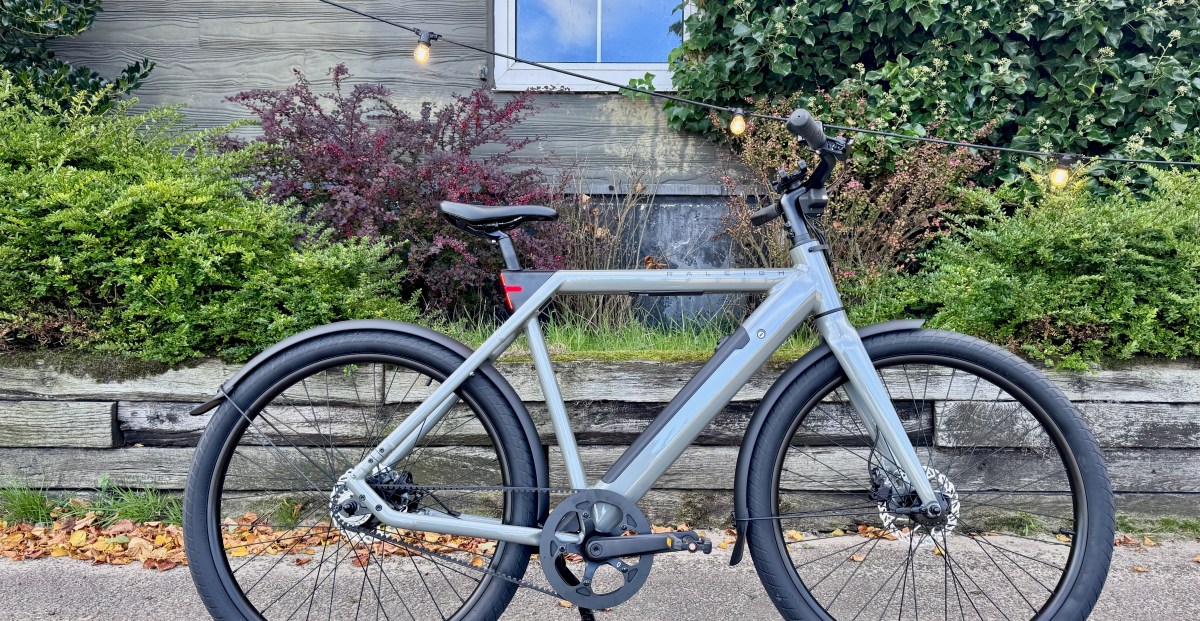
Raleigh One E-Bike: A Fresh Approach Following VanMoof’s Bankruptcy
Introduction to Raleigh’s New Offering
In the wake of the 2023 bankruptcy of VanMoof, the arrival of the Raleigh One e-bike presents a noteworthy development. Under new management, this e-bike embodies a blend of innovative features and lessons learned from its predecessors, aiming to meet the needs of urban commuters efficiently.
Key Features of the Raleigh One E-Bike
The Raleigh One e-bike is equipped with advanced anti-theft mechanisms, including GPS tracking and a robust alarm system. Its design integrates cables through an aluminum frame, complemented by wide tires, mudguards, and built-in lighting—all essential for navigating city streets. This model emphasizes simplicity and ease of maintenance, utilizing readily available parts and a straightforward single-speed, belt-driven transmission system linked to a rear hub motor.
Performance and Specifications
The e-bike boasts a 250W motor that provides a maximum torque of 35Nm, enabling speeds of up to 25 km/h (16 mph). Although it performs admirably on flat terrains, the absence of a boost feature limits its effectiveness on steeper inclines—a notable contrast to previous models from VanMoof.
Price Point and Competitive Edge
With a retail price of £2,399 / €2,699 (approximately $3,000 USD) for markets including the UK, Germany, and the Netherlands, the Raleigh One is positioned competitively within the e-bike sector. While its cost is higher compared to traditional Raleigh bikes, it aligns closely with the average price for European e-bikes and remains more affordable than rival brands like Cowboy.
Design and Usability
The Raleigh One is characterized by its relatively lightweight build of 21 kg (46.3 lbs) and features such as wide 27.5 x 2.2-inch tires, contributing to a stable and enjoyable ride. The pedal assist system is designed to provide a natural riding experience, while the Tektro hydraulic disc brakes ensure reliable stopping power.
Limitations and Areas for Improvement
Despite its solid construction, the Raleigh One does have drawbacks. The bike’s torque output may be inadequate for more challenging hills, and its frame height of 83 cm may not be suitable for all riders, particularly those of shorter stature. Users have also expressed concerns regarding the bike’s software, noting issues with battery drain and app performance.
Subscription Model and Software Insights
Raleigh introduces a subscription model at €7.99 per month, which includes features such as theft alerts and crash detection. While the bike remains functional without this subscription, users must weigh the benefits of added security against recurring costs. Additionally, the connectivity of the Raleigh app currently faces challenges, including battery drain during idle periods and sporadic bugs.
Senior Category Manager at Accell Group, Darren Smith, has acknowledged these issues and confirmed ongoing efforts to enhance software performance, highlighting the company’s commitment to improvement.
Conclusion
The Raleigh One e-bike emerges as a promising option for commuters in relatively flat urban areas. While it exhibits several compelling features, such as a removable battery and off-the-shelf components, the bike would benefit from addressing torque limitations and software reliability in future updates. As Raleigh continues to refine its offering, it will be interesting to observe how the bike performs over time in real-world conditions.
This new e-bike reflects a notable evolution for the Raleigh brand, rooted in valuable insights gleaned from the challenges faced by its predecessors. As the company advances, the Raleigh One stands poised to carve its niche in the competitive e-bike market.