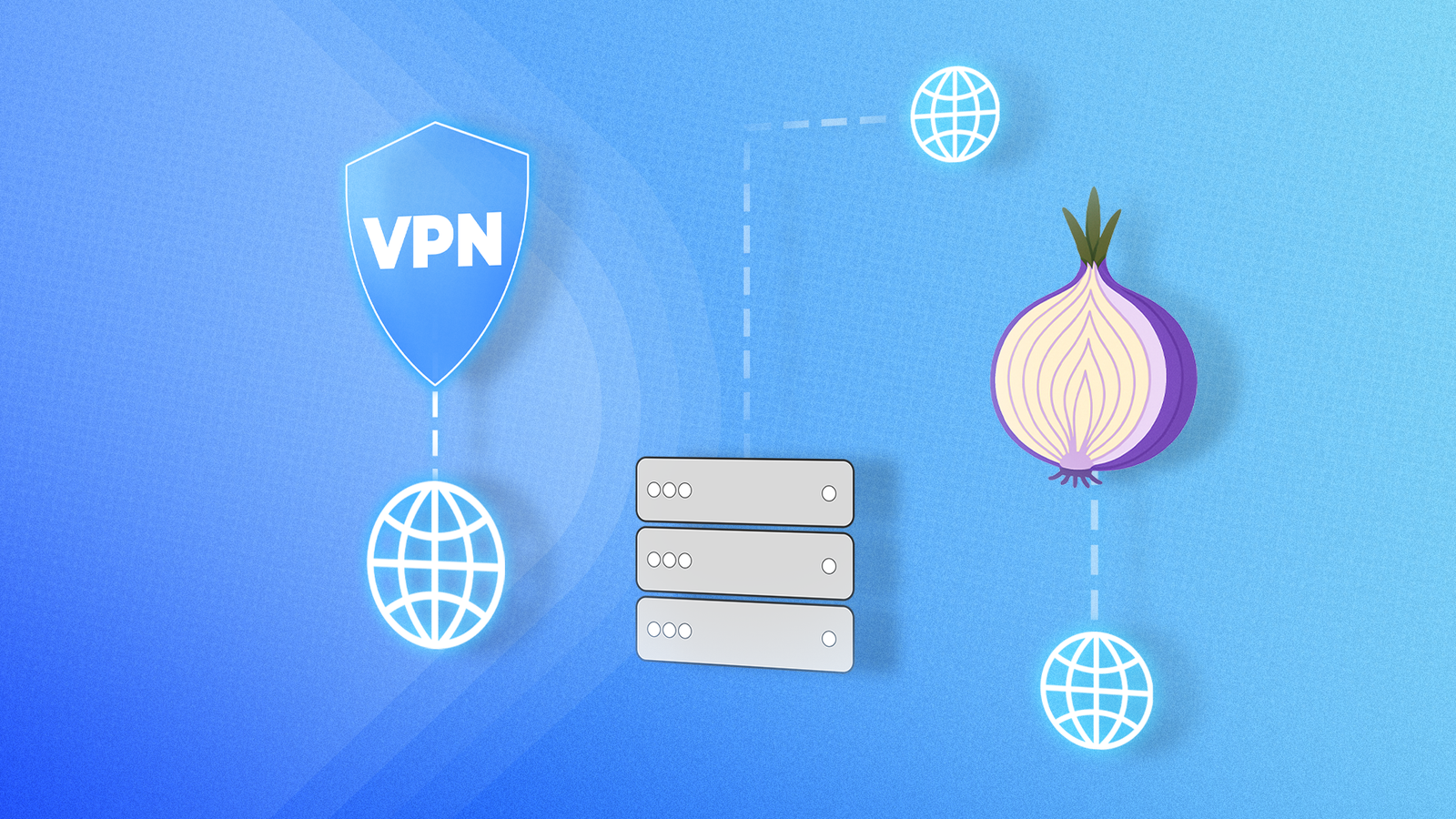
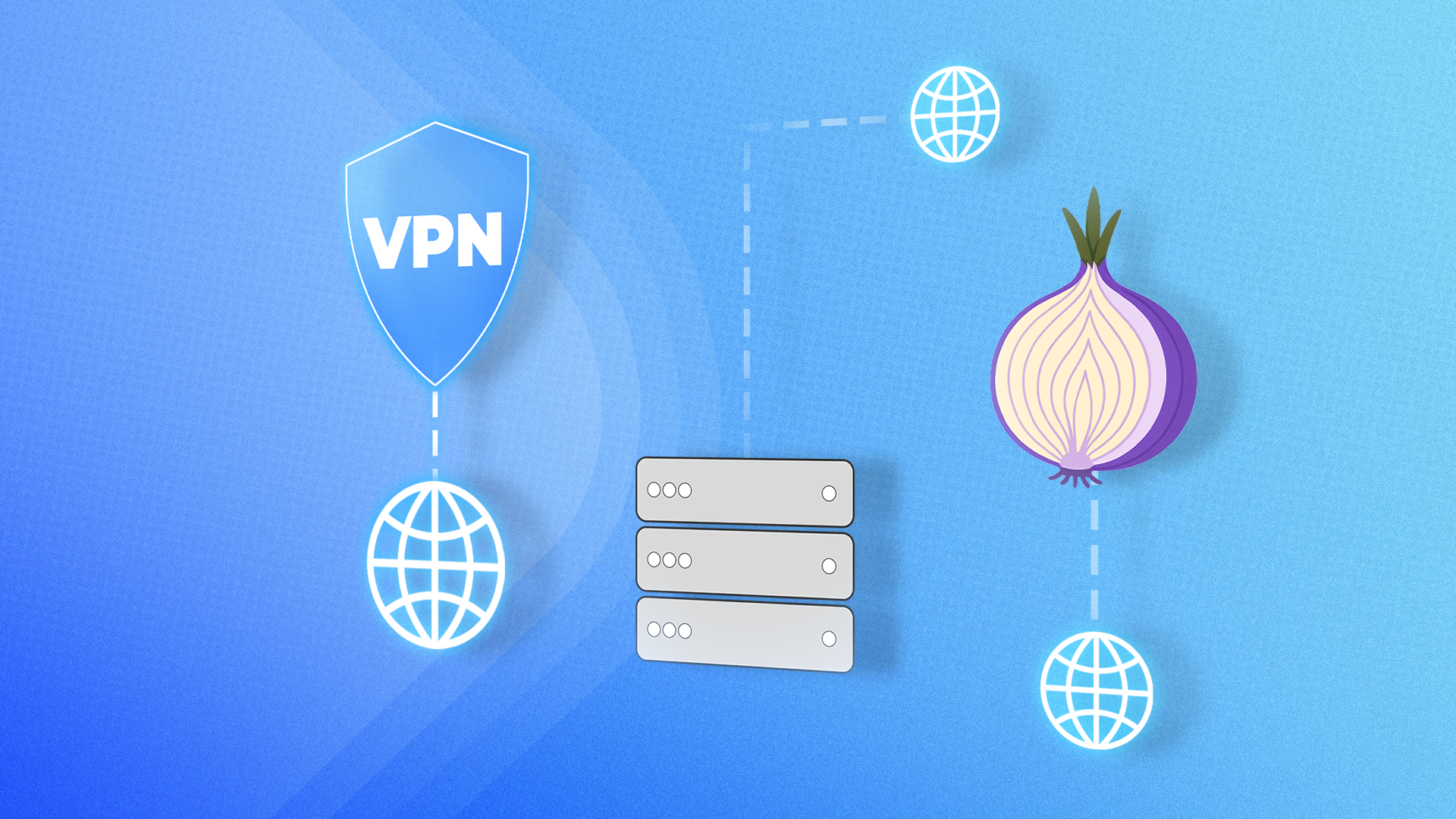

Navigating the internet can feel risky at times, but a variety of tools exist to help safeguard your data, maintain your anonymity, and enhance your privacy. So, which option should you choose? Here’s an overview of proxies, VPNs, and Tor.
Understanding Proxies: When and Why to Use Them
A proxy server acts as an intermediary between you and the websites you visit. When you connect through a proxy, your internet traffic is rerouted first through the proxy server. This means that the websites you visit will only see the proxy’s IP address, not yours.
When to Use a Proxy?
Proxies are useful if you’re looking to conceal your IP address or appear as if your internet activity is coming from a different location. However, standard proxies don’t provide robust security; they’re not reliable for protecting your data during transmission. If you want to access region-restricted content, a proxy might suffice, but if you’re aiming to shield your internet traffic from your ISP, a proxy won’t cut it.
What is a VPN and When Should You Consider One?
Virtual Private Networks (VPNs) share some similarities with proxies. Like proxies, VPNs route your internet traffic through another server, hiding your IP address. The key difference is that VPNs also encrypt your data. This means that even if someone is monitoring your connection, they can’t read your data—the encryption makes your traffic unreadable to eavesdroppers.
VPNs Have Limitations
While VPNs enhance your online privacy by obscuring your location and securing your data, they aren’t foolproof. For instance, websites can still gather information about your device via techniques like browser fingerprinting, which can identify you even if your IP address is hidden. Additionally, while encryption adds a layer of security, it doesn’t completely eliminate the risk of traffic analysis. Observers might still determine your online activity by analyzing data patterns.
When to Use a VPN?
Opt for a VPN when you need to maintain anonymity while browsing or when you want to protect your online activities from entities like network administrators or your ISP.
What is Tor and When Should You Use It?
Tor takes privacy to another level. Like a VPN, it encrypts your internet traffic and reroutes it, but it adds an additional layer of security by sending data through multiple servers (known as nodes). Each node only knows the IP address of the nodes directly before and after it, which conceals the entire route.
When accessing .onion sites, your traffic passes through six nodes, whereas regular web browsing with Tor generally involves three nodes. To maximize security, Tor is used with a dedicated browser—the Tor Browser. This browser is designed to enhance your security and decrease the effectiveness of browser fingerprinting while ensuring your traffic is encrypted via HTTPS.
Should You Combine VPN with Tor?
Using a VPN in conjunction with Tor is a contentious topic. While it’s possible, it often doesn’t enhance your anonymity. For instance, routing your traffic through a VPN before connecting to Tor may expose your VPN provider to your Tor usage, potentially compromising your privacy. If you stick to secure, encrypted services (HTTPS), the added VPN layer might not provide significant benefits.
When to Use Tor?
Choose Tor when anonymity is your top priority. However, keep in mind that its layered approach tends to slow down your internet speed, making it less suitable for streaming regionally locked content. Relying on Tor or any tool to guarantee your privacy can be misleading; they should simply be part of a broader strategy to enhance your online safety.
In summary, whether you’re considering a proxy, VPN, or Tor, each has its own strengths and limitations. Depending on your needs—be it accessing content, hiding your location, or securing your data—there’s a tool that can help protect your online experience.