Introduction to Opera Neon
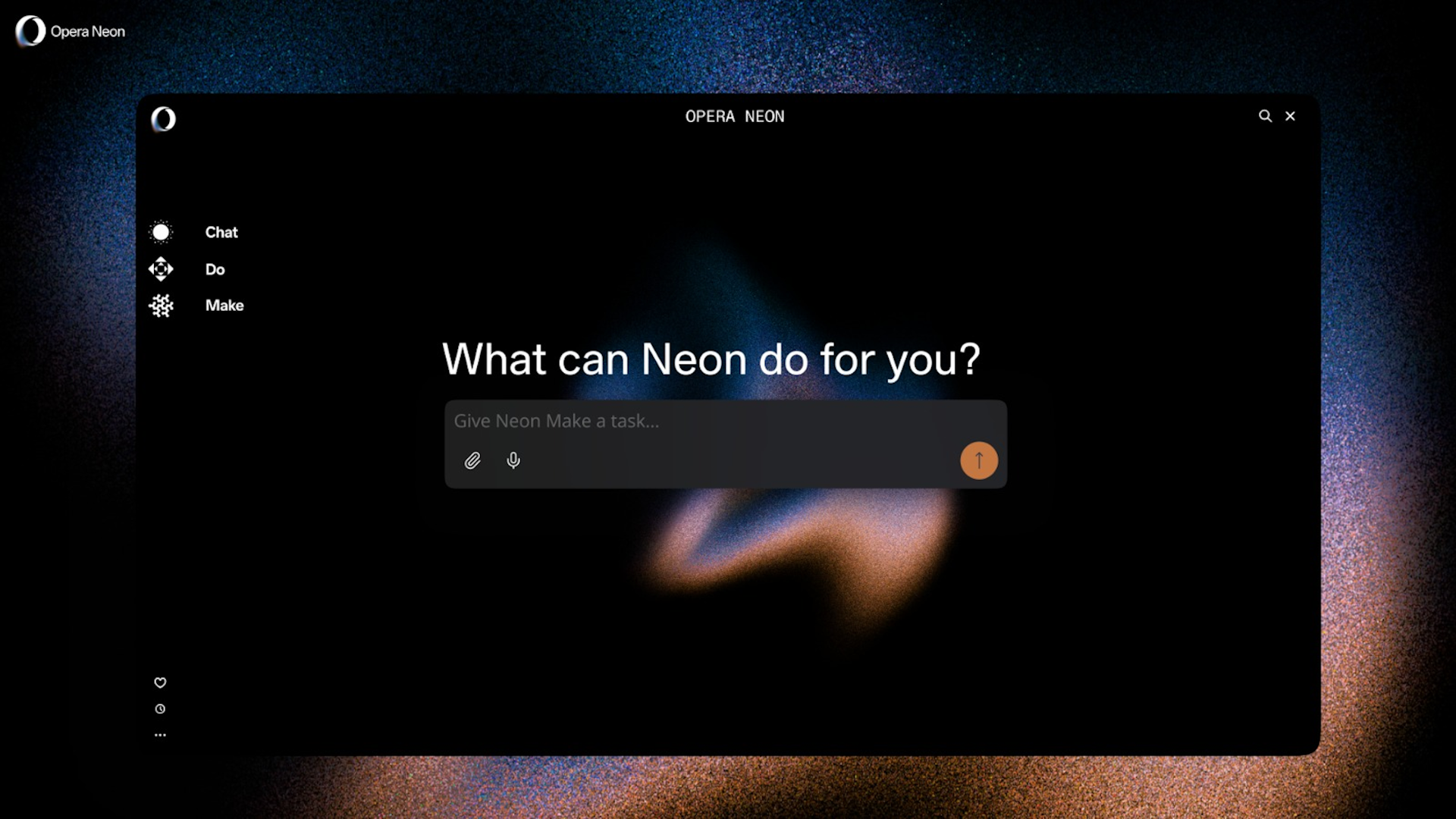
Opera continues to innovate in the realm of web browsing with the introduction of Opera Neon, a browser that integrates advanced AI capabilities for a more intuitive and efficient user experience. This new browser is designed to handle tasks autonomously, effectively working in the background, allowing users to concentrate on activities they find enjoyable. With Opera Neon, users can expect a more streamlined web interaction, as AI manages routine activities such as booking tickets or reserving tables at restaurants.
The Functionality of Opera Neon
Opera Neon presents a significant advancement in the functionality of web browsers by integrating an AI system that operates natively within the browser environment. This means that tasks such as searching for train tickets or making reservations can be automated with minimal user input. Once a user provides a prompt, Opera Neon executes the task and only returns for final confirmations when necessary, ensuring users can engage in other activities while it works.
Unlike traditional browsers that rely on remote servers for data processing, Opera Neon utilizes a Document Object Model (DOM) tree, allowing it to comprehend and analyze web pages directly within the user’s environment. This localized processing enables the browser to interpret the context of web pages effectively, including filling out forms and discerning content.
Furthermore, Opera Neon boasts the capability to function offline. Users can issue requests, shut down their devices, and return later to find Opera Neon has successfully completed the tasks. This feature enhances the browser’s efficiency and flexibility, catering to users’ varying needs.
The Role of AI Agents in Opera Neon
Central to Opera Neon is its integration of AI agents that extend functionality beyond the limits of the browser itself. These agents operate within a cloud-hosted virtual machine, enabling ongoing task execution even when users are offline. For instance, a user can instruct Opera Neon to create a game, generate a report, or design a website, after which the AI will undertake research, design work, and development.
Despite its innovative features, Opera Neon retains the fundamental capabilities expected of a conventional browser. Users can still conduct standard web browsing activities while benefiting from newfound AI enhancements intended to simplify their online experience.
Insights from the Opera Neon Preview
At the Browser Days 2025 event in Lisbon, a preview of Opera Neon showcased its advancements and potential. Opera emphasized that they do not solicit specific media coverage, and this was the first comprehensive presentation of the Browser Operator and Opera Neon.
The evolution of the Browser Operator, which powers the agentic AI functionalities of Opera Neon, has progressed significantly since its earlier demonstrations. During one of the initial live demos, the AI successfully ordered a bouquet for a journalist attending the event. There were some amusing moments, including nervous laughter from the Opera development team, but ultimately, the task was completed with minimal intervention.
Opera has since enhanced the capabilities of Opera Neon, incorporating elements from their existing Aria AI technology, which enables web page interaction and utilizes AI-powered commands. The current demonstrations reflect improved efficiency compared to earlier iterations.
Addressing User Concerns
One of the points raised during initial trials was the concern about speed; users questioned whether they could complete tasks more quickly than the AI. Personal experiences with other AI tools may have influenced these perceptions, particularly those involving cumbersome processes. Although Opera’s Browser Operator was able to complete many tasks autonomously, it occasionally required user input to finalize actions.
Nevertheless, as Opera Neon continues to develop, many of these concerns are being addressed. The goal is to establish Opera Neon as a highly efficient desktop assistant for users seeking to enhance their online experience.
Future of Opera’s Browsers
Despite the emergence of Opera Neon as a standalone AI-driven browser, Opera assures users that its other browsers—such as Opera One R2, Opera Air, and Opera Mini—will continue to be supported. Henrik Lexow, Senior AI Product Director at Opera, affirmed that the company views this as the opportune moment for AI integration and advances toward what Opera describes as Web 4.0.
Opera Neon represents an experimental platform where users can engage with AI in ways unprecedented in current browsers. It is designed not to compete with existing products but to collaborate with the community, allowing user feedback to influence development.
Conclusion
Opera Neon is on the verge of a significant launch, although early access is currently invite-only. Sign-ups are being encouraged, and given Opera’s commitment to co-developing the browser with its community, the rollout of invites is anticipated to commence shortly. As Opera Neon edges closer to its full release, users can expect a revolutionary approach to web browsing that leverages AI for enhanced functionality and convenience.