Meta Expands Horizons: From Augmented Reality Glasses to Robotics
Meta Platforms Inc. is reportedly shifting its focus towards robotics as it grapples with the development of its Project Orion augmented reality glasses. According to insights from Alex Heath, a reliable source in tech news, the company is exploring the robotics landscape under the guidance of its Chief Technology Officer, Andrew Bosworth.
Robotics as a Forward-Looking Initiative
While industry leaders such as Apple, Google, and Tesla are engaged in competitive hardware manufacturing, Meta’s approach appears to differ significantly. The technology giant is not primarily interested in producing physical robotic devices but is instead concentrating on developing software solutions that can be licensed by other companies. This strategic pivot is reminiscent of Google’s Android model, aimed at optimizing the software framework for robotics rather than competing directly in the hardware space.
The Vision Behind Meta’s Robotics Division
Bosworth emphasized that "software is the bottleneck" in the realm of robotics, marking an important distinction in Meta’s strategy. The company is assembling a robotics team headed by Marc Whitten, the former CEO of Cruise, coupled with its renowned Superintelligence Labs. Together, they aim to innovate and create software that enhances the capabilities of robotic systems.
Initial efforts will focus on building a sophisticated "world model" designed to equip robots with the ability to perform intricate tasks such as animating a dexterous hand. This foundational work is expected to expand into more complex movements and functions as the project evolves.
Future Robot Developments and Applications
Reports indicate that Meta has set ambitious targets, including the development of a household robot capable of managing chores like cleaning and laundry by February 2025. However, given the nascent stage of this initiative, the timeline may suggest that practical applications are still some distance away.
Industry Context: Meta in the Robotics Race
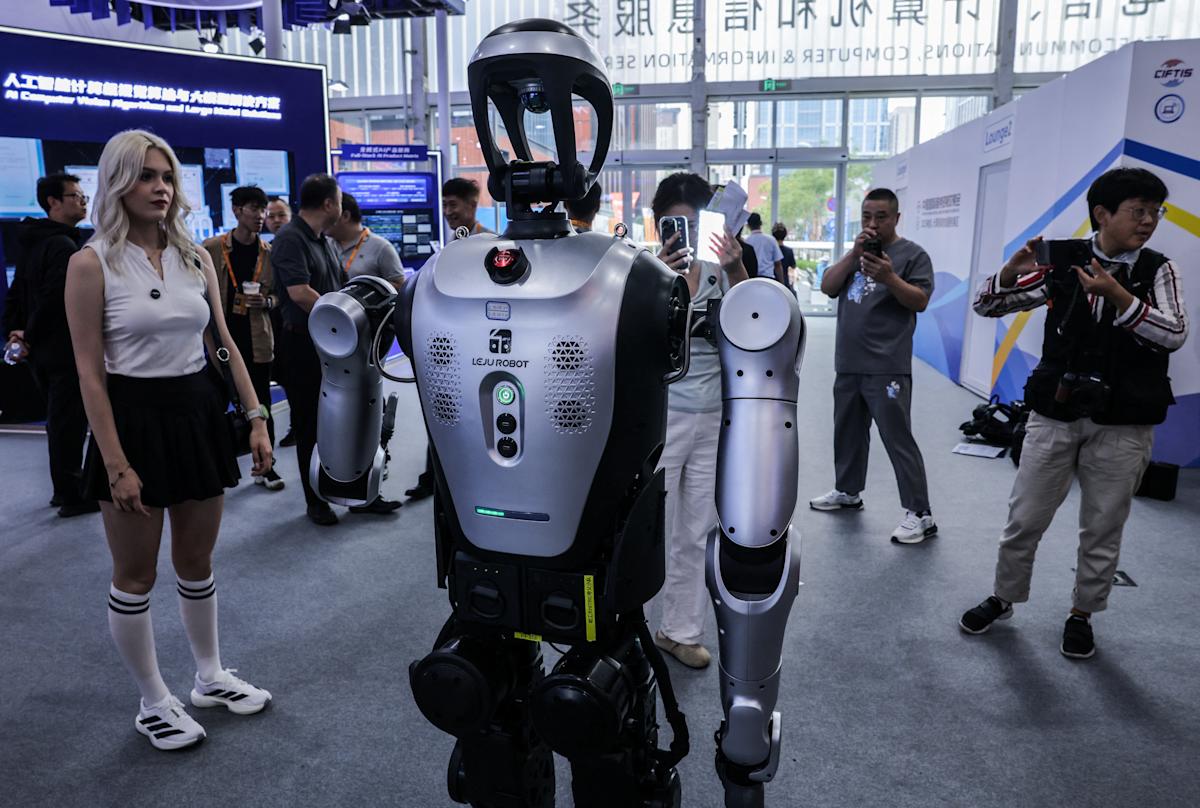
Meta’s foray into robotics is not isolated. Apple is reportedly advancing its own robot prototypes, beginning with a table-mounted arm equipped with a display. Meanwhile, Tesla continues to showcase its Optimus robot through controlled demonstrations. As Meta also works to establish itself in the augmented reality market, the future remains uncertain for its ambitions of overtaking smartphones with AR glasses. Despite these challenges, the company appears determined to make significant investments in the robotics domain.
Conclusion
Meta’s transition from augmented reality to robotics marks a significant shift for the company, indicating its intent to shape the future of robotic software solutions. As this plan unfolds, the tech world will closely monitor Meta’s advancements and their potential impact on the industry. Whether or not they succeed in redefining the market, it is clear that robotics will play a crucial role in Meta’s future trajectory.