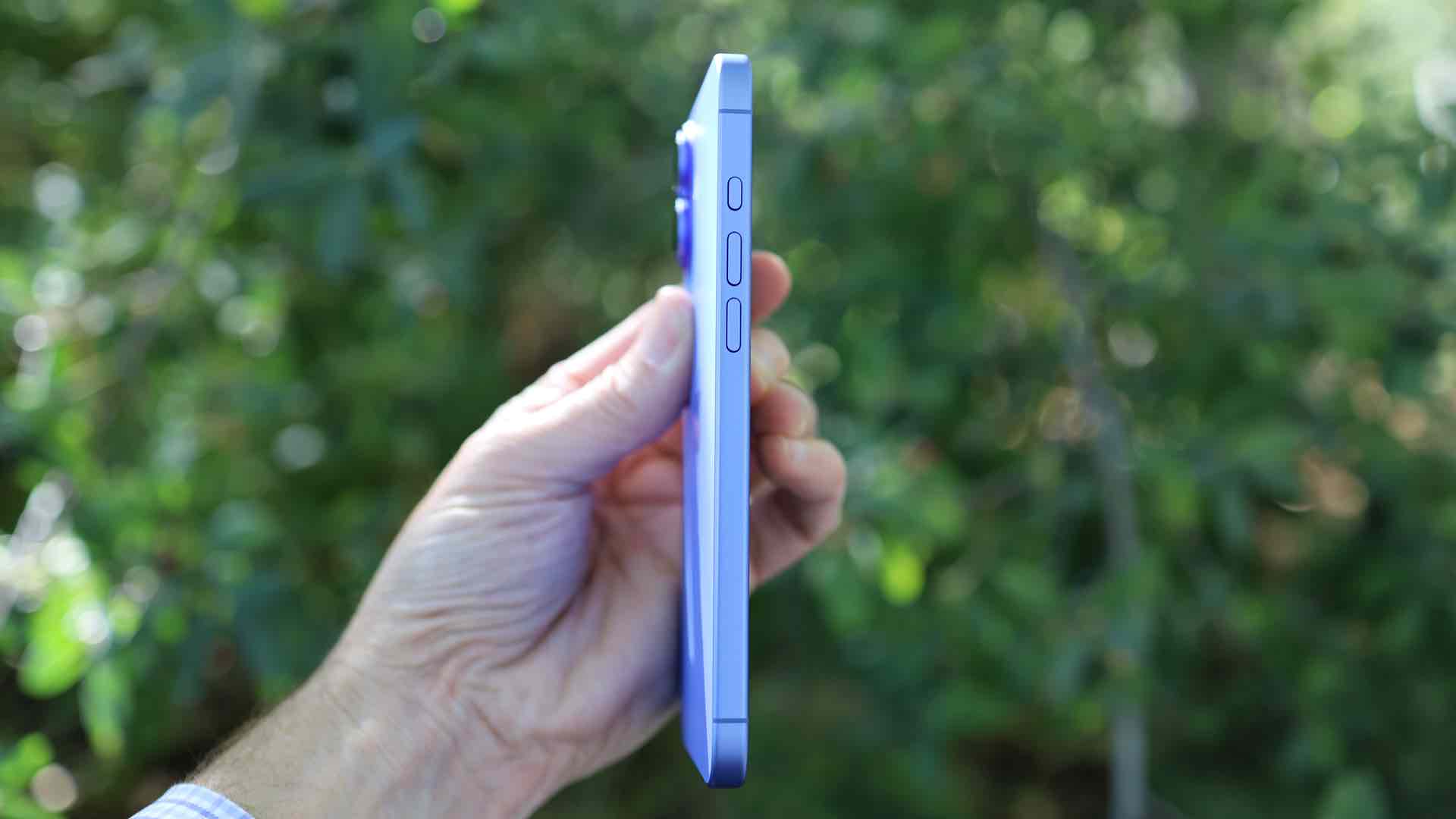
According to recent buzz surrounding the iPhone 17, Apple is gearing up for some significant changes in its flagship smartphone lineup this year. Exciting revelations suggest that the much-discussed iPhone 17 Air could replace the iPhone 17 Plus, offering a sleeker and lighter alternative to the non-Pro model.
However, Apple isn’t the only company shaking things up. As TechRadar has noted, Samsung has already stepped up with the Galaxy S25 Edge, which merges features from both the Galaxy S25 Plus and S25 Ultra into an impressively thin design.
For a deeper dive, check out our hands-on review of the Samsung Galaxy S25 Edge. While it does deliver an amazing user experience, it comes with its own compromises—most notably, a battery downgrade. The S25 Edge features a 3,900mAh battery, a drop from the 4,900mAh powerhouse found in the S25 Plus.
On the other hand, new rumors suggest that the iPhone 17 Air might be equipped with an even smaller battery—just 2,800mAh. This is nearly 2,000mAh less than the capacity of the iPhone 16 Plus’s 4,674mAh battery, meaning the iPhone 17 Air would only have around 60% of the power of its predecessor.
While battery life certainly varies based on usage, we clocked nearly 16 and a half hours of web browsing on the iPhone 16 Plus. If you consider that 60% of that is just under 10 hours, the idea of lasting a full day without recharging becomes questionable.
But don’t hit the panic button just yet. There are compelling reasons why a smaller battery might not spell disaster for the iPhone 17 Air.
Silicon-Carbon Batteries: A Game Changer?
Early leaks suggest the iPhone 17 Air might be Apple’s first device to implement a silicon-carbon battery instead of the standard lithium-ion type. This innovative design allows for greater energy density and enhanced power efficiency. From my experience testing various phones with silicon-carbon technology, I’ve been impressed with their battery performance—my Oppo Find X8 Pro’s battery continues to hold up remarkably well!
Apple’s Optimization Expertise
Next, it’s essential to highlight Apple’s talent for maximizing battery performance, even with smaller capacities. Apple typically doesn’t disclose battery sizes, but teardown reports indicate that the iPhone 16 holds a 3,561mAh battery. While that’s decent, it doesn’t quite measure up against competitors like the Samsung Galaxy S25 or Google Pixel 9, which boast larger battery sizes.
Despite this, the iPhone 16 still competes well, achieving around 13 hours of usage in our tests compared to Google’s flagship, which lasts around 13 to 14 hours. This is impressive, considering the battery capacity difference. The secret lies in Apple’s optimization—its tightly integrated hardware and software create a seamless user experience.
These two factors—the potential for a silicon-carbon battery and Apple’s prowess in optimization—are key indicators that the rumored iPhone 17 Air might still deliver solid performance despite a smaller battery.
So, what do you think? Are you excited about the iPhone 17 series? Share your thoughts in the comments!