China-supported Zhejiang Huayou Cobalt will take over from LG Energy Solution, which withdrew because of ‘market conditions,’ in a major electric vehicle initiative.
China is reinforcing its grip
Indonesia
‘s
electric vehicle
battery sector after a South Korean consortium led by LG announced its exit from a US$7.7 billion project to build a full EV battery supply chain in the Southeast Asian country.
LG’s decision, which analysts view as a setback for Indonesia’s ambitions to emerge as a leading battery hub in the region, has led to Beijing-supported Zhejiang Huayou Cobalt taking over as the project’s chief driver.
South Korea’s LG Energy Solution confirmed on Monday that its consortium, which included LG Chem and LX International, had pulled out of the so-called Grand Package project, citing “market conditions and investment environment” as key factors. The consortium signed a memorandum of understanding with Jakarta in December 2020 to develop an ecosystem spanning operations from raw materials mining and processing to battery production.
Are you looking for insights into the most significant issues and developments globally? Find your answers here.
SCMP Knowledge
, our new platform of curated content with explainers, FAQs, analyses and infographics brought to you by our award-winning team.
On Wednesday, Indonesia’s Minister of Energy and Mineral Resources, Bahlil Lahadalia, disclosed that Huayou Cobalt will take over from LG Energy Solution for the project, which is also referred to as Project Titan. Regardless of this change, Bahlil affirmed that Indonesia remains committed to following the project’s planned roadmap.
“In conceptual terms, the development of the Grand Package remains unchanged. The infrastructure and production plans still align with the original roadmap. LG is no longer part of this project and has been substituted by Huayou,” stated Bahlil.
Changes in investors in grand-scale projects are “normal”, according to Bahlil. “Nothing has changed from the initial goal, which is to make Indonesia the world’s hub for the electric vehicle industry,” he added.
Even though LG Energy Solution has pulled out of the project, they stated: “We remain committed to exploring multiple opportunities for cooperation with the Indonesian government, primarily focusing on our partnership within the Indonesia battery joint venture, HLI Green Power.”
Hyundai LG Indonesia Green Power (HLIGP) is a joint venture between LG, South Korean carmaker Hyundai Motor Group and New Energy Materials Investment Holding from Indonesia. The latter – formerly known as Indonesia Battery Corporation – comprises Indonesian state firms that are involved in the country’s EV battery supply chain.
In July, HLIGP inaugurated its US$1.1 billion electric vehicle (EV) battery cell factory in Karawang, West Java—the inaugural facility of its kind in Southeast Asia—under what they call the Omega project. Both Hyundai and LG have pledged an additional investment of US$2 billion aimed at increasing the plant’s peak yearly output by another 20 gigawatt-hours (GWh), bringing the total potential production up to 30 GWh annually from its current capability of 10 GWh.
During a press conference on Wednesday, Investment Minister Rosan Roeslani stated that the Indonesian government decided to exclude LG from the project on January 31 because of the “protracted negotiation period.”
“Ideally, we want everything to function smoothly and swiftly, yet the discussions have persisted for half a decade,” Rosan stated.
The government opted to substitute Huayou for LG at the helm of the consortium, according to Rosan. This decision was made because Huayou had shown interest in the Titan project since the previous year and claimed to possess “the necessary technology.”

A setback?
The departure of LG from Titan represents “a major blow” for Indonesia, says Putra Adhiguna, who serves as the managing director at the Jakarta-based think tank Energy Shift Institute.
The initial pact between the conglomerate to foster Indonesia’s electric vehicle ecosystem played a role in Jakarta’s choice to implement what was referred to as their downstreaming policy. This resulted in prohibiting the export of unprocessed vital minerals like nickel and bauxite with an aim for local refining instead. According to Putra, this regulation came into force in January 2020.
The clearest investor from the beginning has been LG. It would be regrettable if they were to withdraw since the other parties do not appear to be committed to developing an ecosystem as extensive as theirs,” stated Putra.
The director of Southeast Asia and Oceania at the Korea Institute for International Economic Policy, Nam Seok Kim, stated that although LG’s departure will significantly affect Indonesia’s labor market, it won’t substantially influence the nation’s strategy regarding electric vehicle batteries.
“The decision is unlikely to deliver a meaningful blow or disruption to the country’s strategic industrial road map. There are numerous companies, aside from LG, that possess the capacity to engage in substantial cooperation with Indonesia in the global EV battery market,” Kim said.
A separate project to develop an EV battery ecosystem called Dragon is ongoing, involving Indonesia’s mining industry holding company MIND ID and China’s Ningbo Contemporary Brunp Lygend, a subsidiary of Chinese battery giant CATL.
Slowdown in EV demand
Kim stated that LG’s departure was due to various external elements such as a slowdown in electric vehicle demand and a decrease in mineral costs.
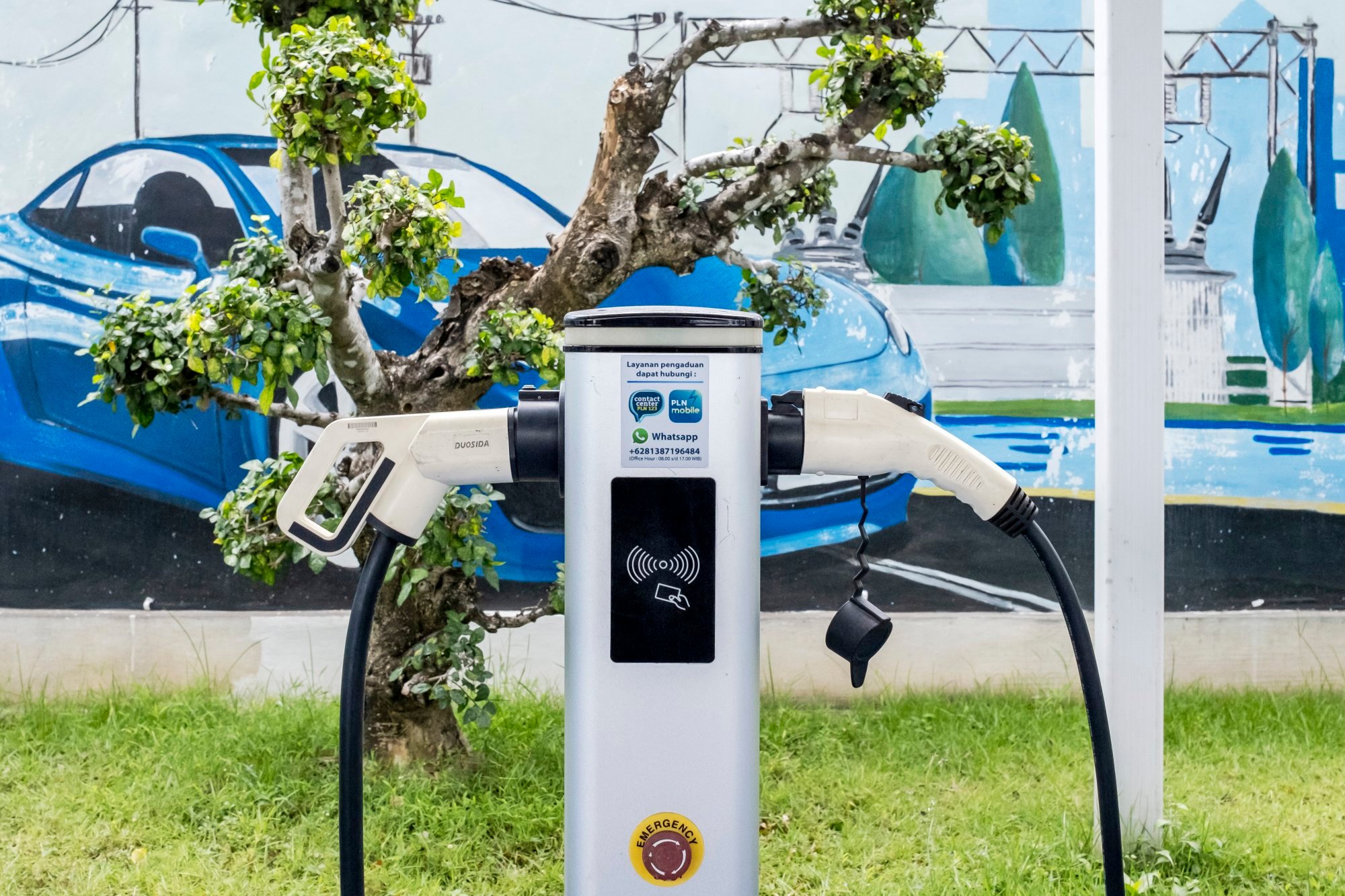
In Southeast Asia, the lackluster demand can be attributed to the sluggish progress of essential infrastructure, including charging stations, according to Kim. He further noted that areas such as the EU and East Asia have seen increased difficulties in attracting new consumers due to worries about battery safety and fire hazards.
Putra highlighted that an excess supply of nickel from Indonesia had led to a decline in the mineral’s price in the international market. The London Metal Exchange reported that on April 9, nickel prices fell to $15,078 per metric ton, marking its lowest point since 2020.
One of the factors mentioned by both Germany’s BASF, the global leader in chemicals production, and the French mining company Eramet, for canceling their collaborative project to construct a $2.6 billion nickel and cobalt processing facility in Indonesia last year, was the shift in market conditions.
Even with the difficulties, Kim stated that Indonesia continued to be “one of the top choices for international firms looking to establish EV battery supply chains,” noting that the worldwide electric vehicle sector’s profits were expected to increase over time.
“Although the recent choice made by the LG-led consortium represents a clear obstacle, it also highlights the necessity for the Indonesian government to remain dedicated to establishing a comprehensive domestic battery supply chain,” he noted.
More Articles from SCMP
South China Sea: Beijing blames Manila for coral damage at disputed Sandy Cay
“Always remember this courageous sister”: Father shares story of officer who rescued his daughter with Xinjiang child.
A Hong Kong-based private equity company called Gaw Capital is establishing a regional property fund worth $2 billion in the United States.
How Hong Kong actor and filmmaker Nick Cheung transformed his career over four decades.
The article initially appeared on the South ChinaMorning Post (www.scmp.com), which is the premier source for news coverage of China andAsia.
Copyright © 2025. South China Morning Post Publishers Ltd. All rights reserved.