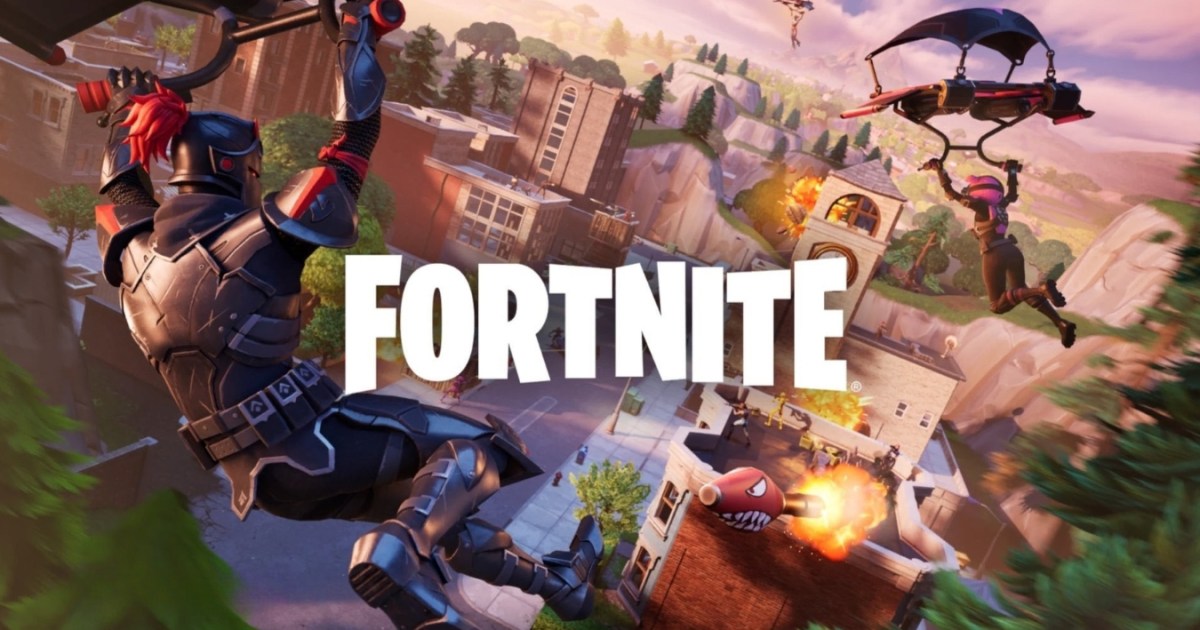
After being unexpectedly removed from Apple’s App Store in 2020, Epic Games’ popular title, Fortnite, has made its long-awaited return.
### Limited Availability in the U.S.
Currently, the game is only accessible on iPhones and iPads for users within the United States. This return marks the conclusion of a nearly five-year suspension that stemmed from Epic Games’ introduction of a direct payment option, circumventing Apple’s in-app purchase fees. This action was deemed a violation of Apple’s App Store guidelines.
### A Message from Leadership
Tim Sweeney, the founder and CEO of Epic Games, communicated the news via a post on X. He expressed gratitude to supporters who championed mobile competition and advocated for the #FreeFortnite initiative. “And thanks to all of the folks who initially sided with Apple then later came around to the winning side, supporting app developer rights and consumer rights,” he added.
### Legal Battles and Court Rulings
Epic Games has been engaged in extensive legal battles to restore Fortnite to the App Store. A recent significant court ruling provided a substantial win for the company, compelling Apple to permit apps to include links for external payment options without incurring additional commissions on those transactions.
Following this development, Epic Games submitted Fortnite for reinstatement in the U.S. App Store, which Apple eventually approved. However, this process faced delays and further legal complications just last week.
### Availability Outside the U.S.
For users searching for Fortnite outside the United States, the game remains unavailable on the App Store as Apple continues to navigate legal challenges in various regions. However, within the European Union, Fortnite can still be accessed through alternative platforms including the Epic Games Store and AltStore.
### Court Ruling on Apple’s Practices
The reinstatement of Fortnite to the U.S. App Store was made possible by a recent court ruling that found Apple had breached a previous injunction established in 2021. This ruling determined that Apple continued to limit competition and obstruct alternative payment methods within its App Store. The judge mandated Apple to comply with the earlier order, facilitating Fortnite’s return and allowing for external payment links in apps.
Judge Yvonne Gonzalez Rogers delivered pointed critiques of Apple’s practices in her ruling last month, accusing the company of intentionally undermining her 2021 injunction. She stated that Apple’s actions aimed to “sustain a revenue stream worth billions in blatant violation of this court’s injunction.” Furthermore, she suggested that an Apple executive be referred to federal prosecutors for a criminal contempt investigation concerning their conduct related to the case.
### The Broader Implications of the Fortnite Case
The ongoing situation surrounding Fortnite exemplifies a significant struggle over power within digital marketplaces. It highlights the ongoing tension between app developers and platform operators like Apple regarding issues of control, competition, and the right for developers to offer alternative payment options beyond restricted ecosystems.
### Conclusion
Overall, the return of Fortnite signifies not just the end of a lengthy absence for the game but also serves as a crucial moment in the broader conversation surrounding app marketplace dynamics. With the judgment favoring Epic Games, there may be repercussions that extend beyond this specific case, potentially reshaping how digital platforms regulate app developers and their payment options in the future.