Overview
The Matic robot vacuum differentiates itself in a crowded market with its innovative self-contained design and local data processing capabilities. Offering a unique user experience through its mobile app, it enhances mapping and spot cleaning functionalities. While it delivers impressive cleaning results, prospective buyers should weigh the costs of disposable bags and potential early-stage product challenges.
Unique Design and Features
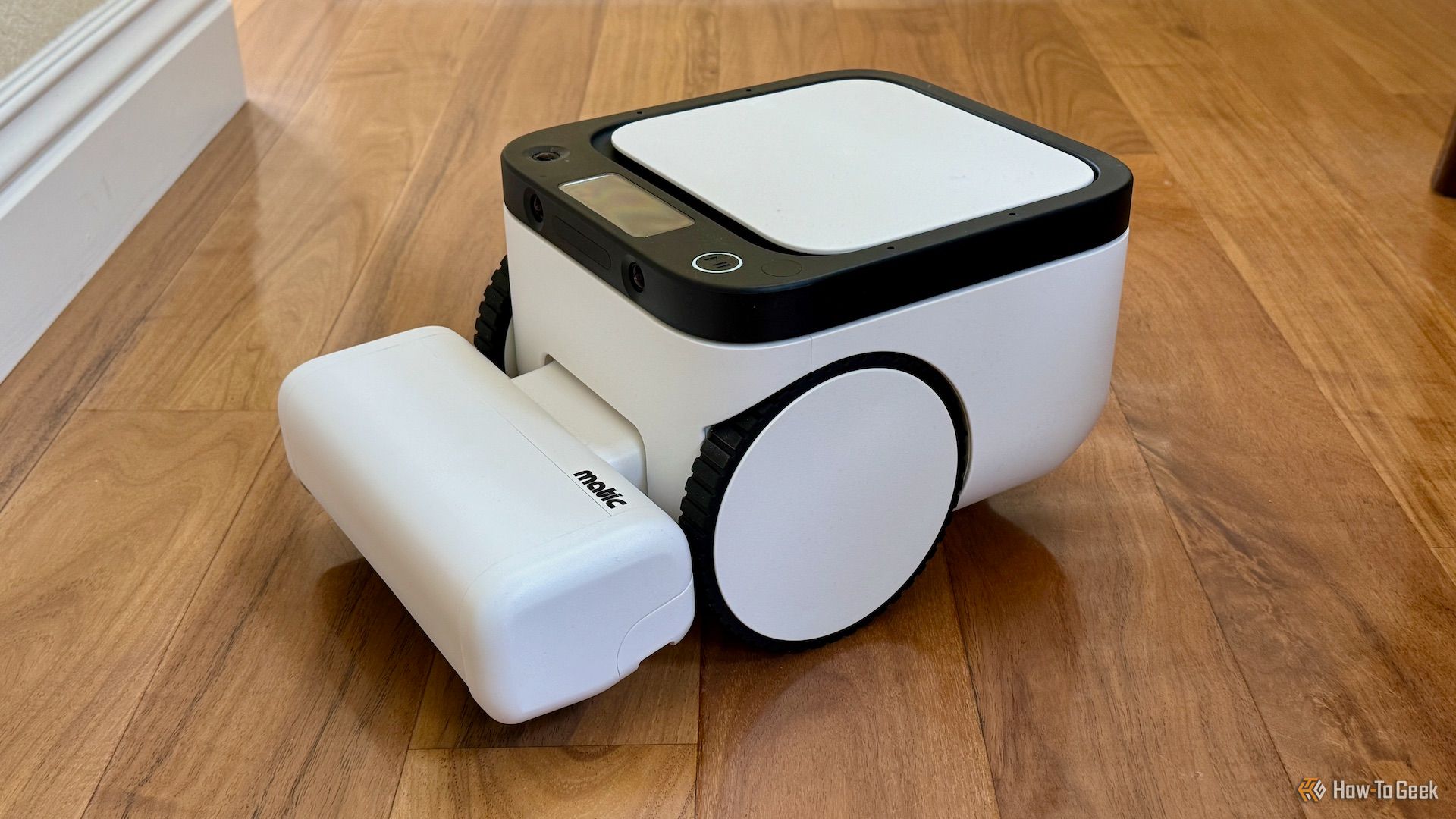
The Matic robot vacuum stands out in a sea of similar products primarily due to its compact structure and user-friendly interface. Unlike many high-end alternatives that require bulky docking stations, the Matic uses a small charging dock that can easily be hidden. Internally, it incorporates a water reservoir for mopping and a disposable dust bag for debris collection. Upon filling, users can simply discard the bag and replace it without the loud suction noises common in other models.
This innovative design not only reshapes the operational aspects of a robot vacuum but also its physical appearance. While the Matic’s functionality is generally more agile, its taller profile can limit its accessibility under lower furniture pieces.
Local Data Processing
A significant innovation with the Matic is its approach to data management. The device processes navigation and mapping information locally, which enhances privacy by ensuring user data does not get transmitted externally. This feature is especially appealing to those concerned about data security in smart home devices.
Mobile Application Interface
The user interface is tailored for the modern gadget user, with a mobile app currently available for iOS and set to launch for Android in late 2025. The standout feature of the app is its ability to visually represent mapping data in a more engaging manner. Utilizing onboard cameras, the Matic captures the colors and textures of floors, providing a more realistic map of the home environment. Users can also switch between detailed and simplified overlays based on their preference. This intuitive interface makes spot cleaning highly efficient, allowing users to draw directly on the map where they want the vacuum to clean.
The app also allows users to set no-go zones by drawing areas to be avoided, turning this into an interactive experience. As mapping and navigation are processed in real time, users can actually observe decisions being made by the robot displayed on the app.
Cleaning Performance
Despite its innovative features, some design limitations affect the Matic’s cleaning capabilities. For instance, the vacuum struggles to maneuver under certain types of furniture without prior adjustments. In its current state, it also cannot access areas beneath kitchen cabinets, an issue that seems more related to software development rather than physical size limitations. However, updates to the app have begun to address several of these issues.
In practical cleaning scenarios, the Matic showcases exceptional performance. Testing revealed that it effectively captured around 98% of coffee grounds, 95% of spilled flour, and 100% of crushed cereal on carpets. Similarly impressive results were observed on hardwood floors. While already impressive, ongoing software updates promise to refine its cleaning efficiency further.
One limitation noted during testing was that the Matic occasionally left small areas uncleaned, particularly in corners or during turns. As improvements are made through firmware updates, it is hoped that future iterations will enhance navigation.
Additional Considerations
Several minor inconveniences were identified during the testing process. Although the Matic operates at a relatively quiet 55dB, it sometimes emits a high-pitched sound that could be bothersome in quiet environments. Users should also note that a fan continues running when the robot is docked, which may be slightly audible during silence.
A significant consideration for potential buyers is the disposable dust bags, which can accumulate costs over time. These bags tend to need replacement more frequently than those typical of self-emptying models, especially because they also collect water. While one user reported a lack of odor after extended use, others have expressed concerns about potential smells related to the robot’s cleaning workload.
Conclusion
The Matic robot vacuum presents an intriguing option for consumers looking for a modern cleaning solution, marrying innovative features with practical design. However, its status as an early product in an evolving category introduces potential risks regarding reliability and performance. While the experience is commendable, buyers should be cautious and consider their options, particularly from more established brands if reliability is paramount. Users looking for a cutting-edge vacuum that challenges traditional models may find the Matic to be a worthwhile investment.