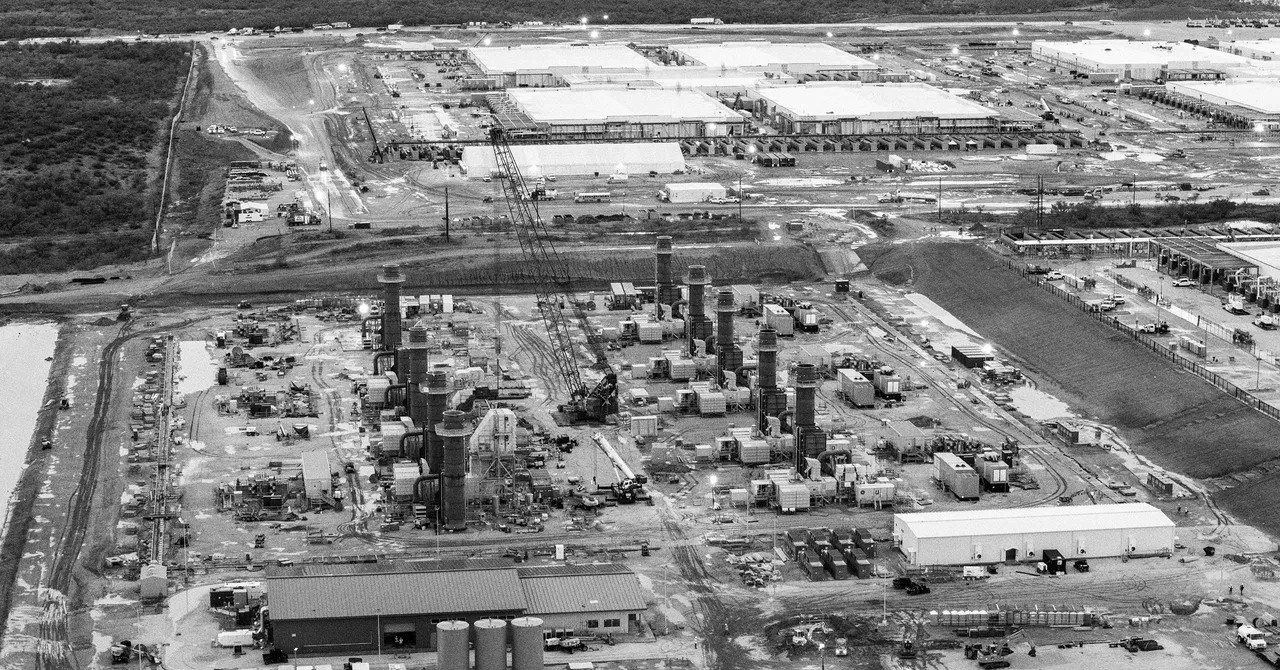
Data centers have significantly driven up the demand for gas-fired power in the U.S. over the last two years, according to new research released on Wednesday. The study found that more than a third of this new demand is directly tied to gas projects meant to power data centers—comparable to the energy needs of tens of millions of U.S. households. The findings from Global Energy Monitor, a San Francisco-based nonprofit tracking oil and gas developments, emerge as the Trump administration promotes data center expansion and rolls back pollution regulations for power plants and oil and gas extraction. This trend could likely lead to an increase in U.S. greenhouse gas emissions, even if some projects identified by Global Energy Monitor don’t ultimately get built. “The implications are huge when you’re talking about this size of a build-out,” says Jonathan Banks, a senior climate adviser at Clean Air Task Force, a nonprofit working to reduce emissions. (Clean Air Task Force was not involved in the Global Energy Monitor research.)
According to the findings, building all the gas-fired power infrastructure in development as of last year could increase the U.S. gas fleet by nearly 50 percent. Currently, the U.S. has around 565 gigawatts of gas-fired power on the grid. If all the projects in the pipeline are completed, it would add nearly 252 gigawatts of gas power to the fleet. (Estimates vary, but 1 gigawatt can power up to a million homes, depending on regional energy usage.)
Over the past two years, data centers have nearly tripled the demand for gas-fired power in the U.S. When Global Energy Monitor last updated its tracker in early 2024, around 85 gigawatts of gas-fired power were in development, with just over 4 gigawatts earmarked specifically for data centers. By 2025, that surged to more than 97 gigawatts of tracked demand linked to projects powering data centers—nearly 25 times the 2024 figures. “About a year and a half ago, we started to see this increase in proposals for data centers specifically,” says Jenny Martos, a research analyst at Global Energy Monitor who contributed to the report.
To compile the research, Global Energy Monitor analyzed publicly available data on gas power developments in the pipeline. This included state-level regulatory filings, air quality permits, and public company announcements. (Martos notes that the group compared its findings with industry-held data for benchmarking.)
As the data center build-out continues nationwide, developers are racing to secure power from various sources, and utilities are working hard to meet the anticipated demand. This rush has allowed dirtier power sources a reprieve: coal-fired plants across the country have received extensions on their retirement dates, partly due to pro-coal policies from the Trump administration.
While natural gas is a cleaner alternative to coal, gas plants still emit CO2. In 2022, around 35 percent of U.S. energy-related CO2 emissions came from burning natural gas. “Gas is cleaner when burnt than coal, but when you’re talking about this much gas, you’re also talking about a lot of CO2 associated with it,” emphasizes Banks.
Another concern with natural gas is methane leaks during extraction. While methane doesn’t linger in the atmosphere as long as CO2, it’s 80 times more potent over a 20-year period. Climate scientists contend that reducing methane emissions in the short term is crucial for effective long-term climate change control. It’s estimated that oil and gas production accounts for a third of all global methane leaks, with the U.S. being the largest producer of natural gas worldwide.