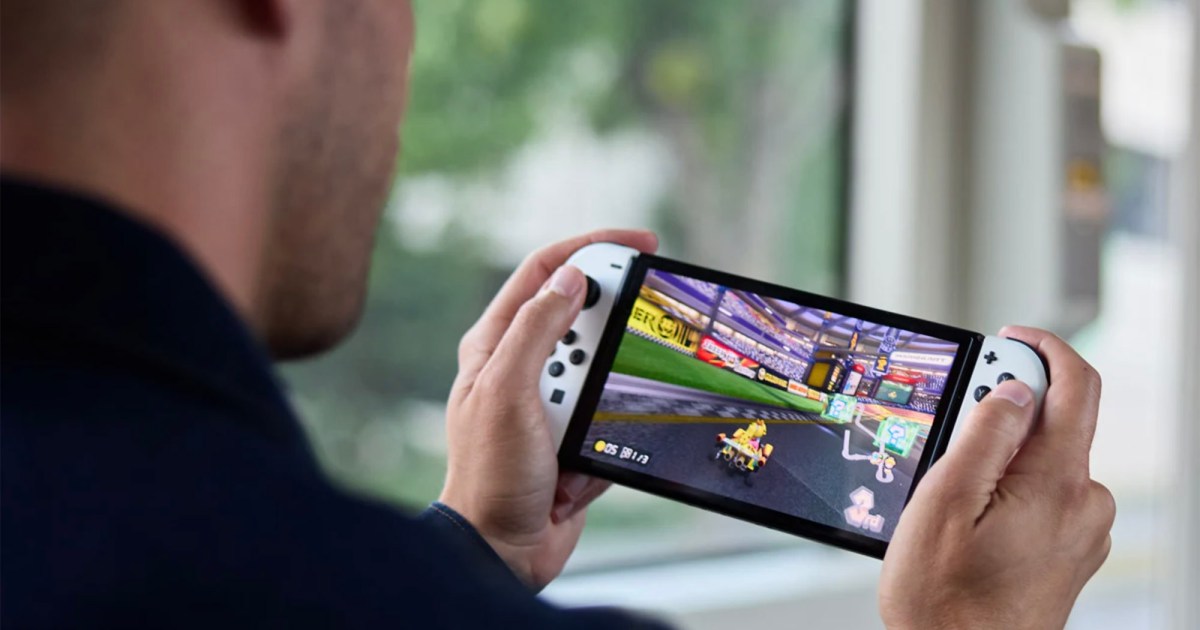
Nintendo Switch 2 Preorders: Insights and Expectations
The excitement surrounding the Nintendo Switch 2 has led to overwhelming demand, especially in Japan, where preorder requests reached an astonishing 2.2 million. In response to this surge, Nintendo has issued an apology, revealing that it had to limit the availability of preorders. While specific preorder figures for Europe and North America have not been disclosed, the rapid sellout of available units indicates a robust interest in the console globally.
Production Plans and Chip Supply
According to a recent report from Bloomberg, Nintendo is in discussions with Samsung Electronics Co. to produce chips for the Switch 2. This collaboration aims to boost manufacturing speeds, with a goal to fulfill ambitious sales projections by March 2026. Nintendo anticipates that it will sell between 15 and 20 million units during this period, surpassing its original target of replicating the Nintendo Switch’s launch sales of 15 million units within the first ten months.
Despite potential challenges stemming from supply chain disruptions and tariff concerns, Nintendo remains optimistic about its sales forecast and does not expect these issues to significantly hinder overall sales.
Samsung’s Role in Manufacturing
Samsung has a history of providing flash memory and OLED screens for the Nintendo Switch. The new partnership for the Switch 2 marks a continuance of this collaboration. While the original Nintendo Switch utilized chips from TSMC, the new console will be equipped with an Nvidia-based chipset. Samsung’s manufacturing capabilities are particularly suited for this type of chip, allowing Nintendo to sidestep competition for chip production at TSMC, thereby enhancing the likelihood of meeting the soaring demand.
Display Technology: OLED vs. LCD
Though there is speculation about the potential inclusion of an OLED version for the Nintendo Switch 2, this feature has not yet been confirmed. While an OLED upgrade would undoubtedly enhance the gaming experience, the current model boasts a high-quality LCD display paired with an improved framerate that approaches levels typically expected from OLED technology.
From an operational perspective, the console supports advanced features such as ray-tracing and variable refresh rates, which help to narrow the performance gap between LCD and OLED displays. Furthermore, the integration of Deep Learning Super Sampling (DLSS) technology ensures that the gaming experience remains smooth and steady, regardless of the graphical demands.
To Buy or Wait: Making the Decision
For potential buyers contemplating whether to purchase a Nintendo Switch 2 now or wait for a possible OLED variant, the decision is nuanced. Although an OLED refresh could improve visual quality, the existing LCD display is already quite capable, offering performance that meets many gamers’ expectations.
Ultimately, consumers must weigh the immediate benefits of acquiring a Nintendo Switch 2 against potential future enhancements that may or may not materialize. The console’s current capabilities, including stunning graphics and smooth performance, make it an appealing choice for gamers eager to dive into the newest offerings from Nintendo.
Conclusion
With preorder numbers indicating immense interest, Nintendo’s plans for the Switch 2 appear to be on a promising trajectory. The partnership with Samsung to secure chip production aims to enhance output and potentially meet high consumer demand. While discussions of an OLED variant create excitement, the current specifications of the Nintendo Switch 2 provide a compelling argument for immediate purchase. Gamers will need to consider their preferences carefully, balancing the allure of future upgrades against the reliable performance of the console as it stands.