Unlike Elon Musk and his track record of unfulfilled promises, the numbers tell a clear story. Tesla has officially lost its crown as the world’s largest electric vehicle (EV) maker to the Chinese automaker BYD. This shift has been brewing for some time, with BYD surpassing Tesla’s sales in Europe on multiple occasions throughout 2025. Now, it’s confirmed on a global level.
Despite being shut out of the U.S. market, BYD’s impressive growth continues, with its EV sales rising by 28 percent last year, totaling 2.25 million units. In comparison, Tesla announced today that it delivered 1.64 million vehicles in 2025—a decline for the second consecutive year and a 16 percent drop year-over-year for the fourth quarter. This isn’t just a minor lead for BYD; it signifies a substantial shift in the EV landscape.
Last week, BYD reported selling 4.6 million “new energy vehicles” in 2025, which includes both all-electric and plug-in hybrid models. Over a million of these vehicles were exported, with passenger vehicle exports alone surging by more than 145 percent compared to last year.
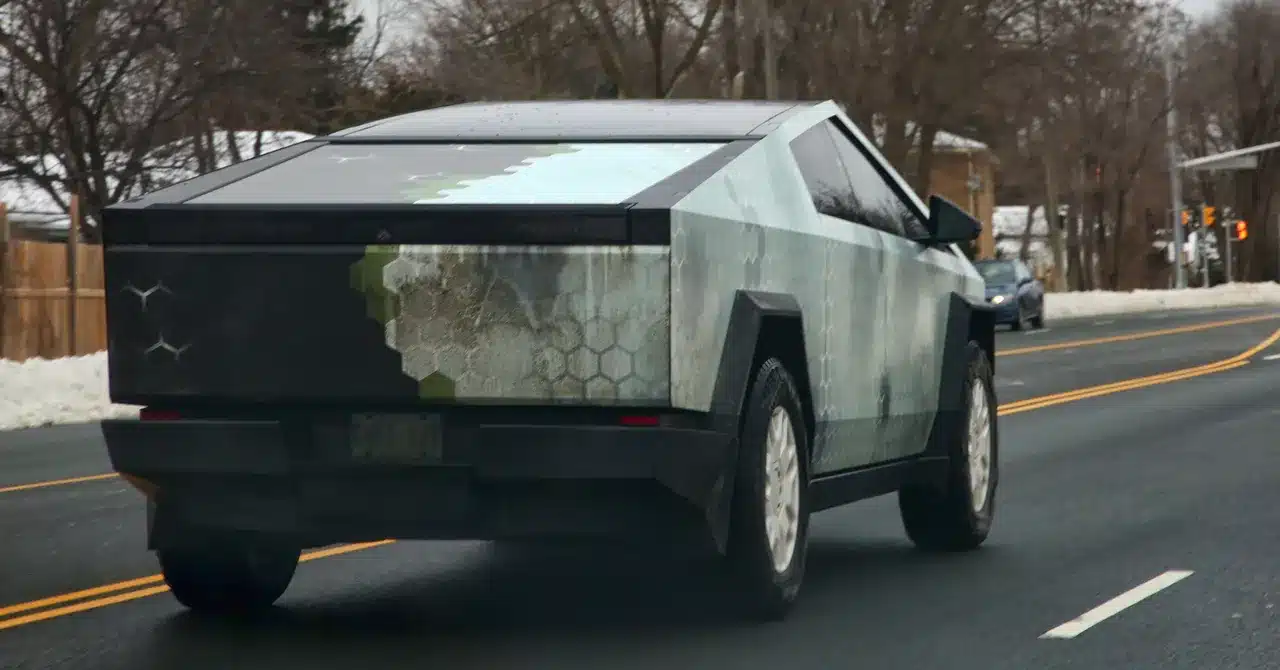
This news follows a challenging year for Tesla, especially for its high-profile Model Y, which received a lukewarm refresh that failed to boost sales. It also revealed disappointing numbers for the much-criticized Cybertruck; by March, Tesla had sold fewer than 50,000 electric pickups since deliveries began 14 months ago—far short of Musk’s projection of 250,000 annually.
With Tesla’s sales dipping both in the U.S. and plummeting in Europe, Musk sought assistance from Donald Trump, who transformed the South Lawn of the White House into an impromptu Tesla showcase, claiming he would buy a high-performance Model S Plaid. However, by June, reports surfaced that Trump might sell the vehicle after a fallout with Musk.
Just last month, the EV news site Electrek revealed that Musk’s SpaceX had purchased tens of millions of dollars worth of Cybertrucks that Tesla reportedly couldn’t sell. If true, this could significantly boost Tesla’s financial performance for the fourth quarter of 2025, offering some relief after the U.S. ended its EV tax credits at the close of the third quarter.
Recently, Musk has suggested that a shift away from EVs may be crucial for the company’s future—not to mention a $1 trillion pay package he’s aiming for. Tesla is now betting on robotaxis and the mass production of Optimus robots to fill the gap. However, despite Musk’s promise to deliver 1 million humanoid robots within the next decade, amusing footage continues to surface showing the machines being remotely operated.