Nintendo Switch 2: Key Advancements in Accessibility
The recent unveiling of the Nintendo Switch 2 brought forward a significant focus on accessibility, a move that has intrigued many within the gaming community. Traditionally, Nintendo has been perceived as ambivalent towards broader accessibility issues, often making unintentional strides rather than proactive initiatives. However, the Switch 2 appears to embrace a more comprehensive framework that addresses long-standing demands from disabled gamers.
Initial Impressions of Accessibility Features
Despite the fanfare surrounding its launch, specific details about the Switch 2’s accessibility remained sparse. However, a week of hands-on experience has unveiled a noteworthy array of features designed to enhance usability for players with disabilities. While the Switch 2 represents an incremental hardware upgrade, its accessibility options indicate meaningful progress.
Streamlined Setup Process
One of the standout aspects of the Switch 2 is its user-friendly setup. For individuals with cognitive disabilities, complicated installation procedures can often be overwhelming. Surprisingly, the process for the Switch 2 is simplified, although some blind users may require assistance, particularly since certain accessibility features, like text-to-speech, are not activated by default during initial setup.
Controller Compatibility
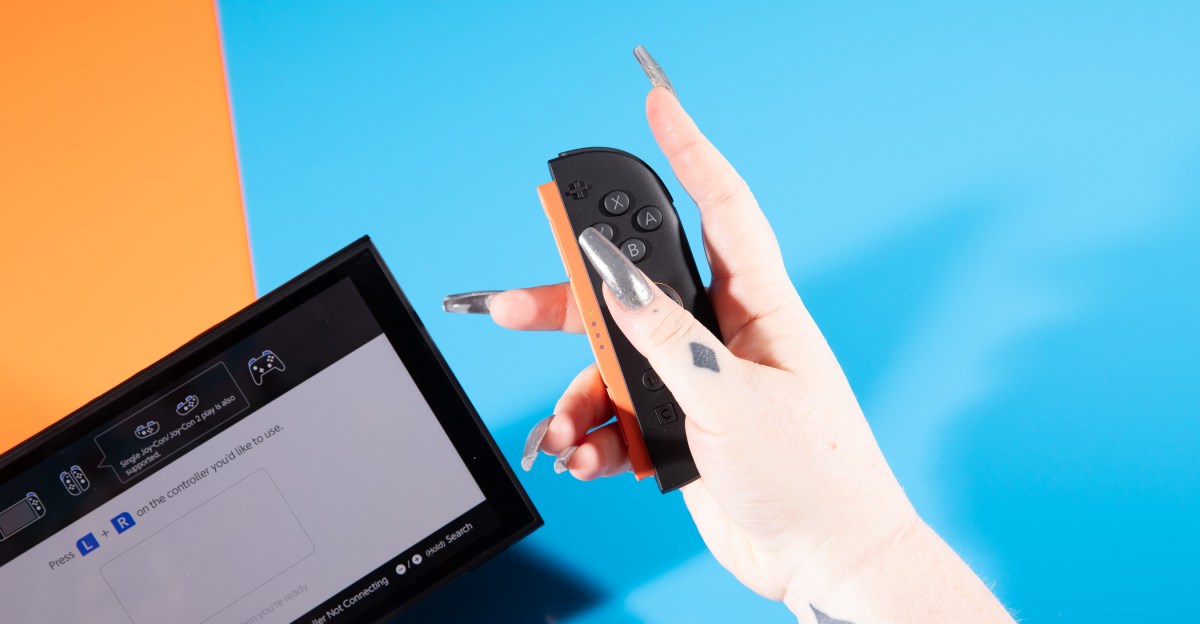
The Switch 2 supports a variety of controllers, including previously released Joy-Cons and the Hori Flex adaptive controller. The redesigned Joy-Con 2 offers a more comfortable grip, but users with hand pain may still experience discomfort. Importantly, the compatibility with other controllers, such as the Magic-S Pro 2, expands the possibilities for custom setups. However, there have been reports of connectivity issues with some third-party devices, underlining the need for continuous improvements.
USB Keyboard Integration
For those who find onscreen keyboards difficult to navigate, the Switch 2 supports USB keyboards through its USB-C ports, an especially useful feature during the setup phase.
Text-to-Speech Functionality
The text-to-speech feature on the Switch 2 operates at a speed of approximately 120–130 words per minute for US English. However, it is essential to note that there is a delay when the functionality is engaged, which may create additional barriers for users. While text-to-speech works seamlessly within most system menus, it unfortunately does not function on the Nintendo eShop—a critical oversight given its potential importance for first-time users.
Audio and Control Customization
While the Switch 2 allows for some audio options, such as toggling mono audio for hard-of-hearing players, there is a lack of extensive audio customization. Additionally, players have the ability to remap controls at a system level, though there is currently limited support for in-game remapping in Nintendo’s titles, which can hinder usability.
GameChat Accessibility
GameChat’s speech-to-text functionality, which includes the transcription of profanity, adds a valuable layer of accessibility for deaf players. Despite occasional inaccuracies, this feature allows for better engagement in multiplayer gaming environments.
Conclusion: A Promising Direction Amid Limited Communication
In summary, the Nintendo Switch 2 introduces a significant enhancement in accessibility features, marking a positive shift for the company. However, the absence of detailed information prior to launch points to a need for improved communication regarding accessibility options. Clear and readily available accessibility information is essential for helping all players make informed decisions about their gaming experiences.
As Nintendo continues its journey towards enhanced accessibility, it is crucial for the company to maintain an open dialogue with its player base. By prioritizing transparency, Nintendo can ensure that all gamers have the opportunity to fully enjoy their console.