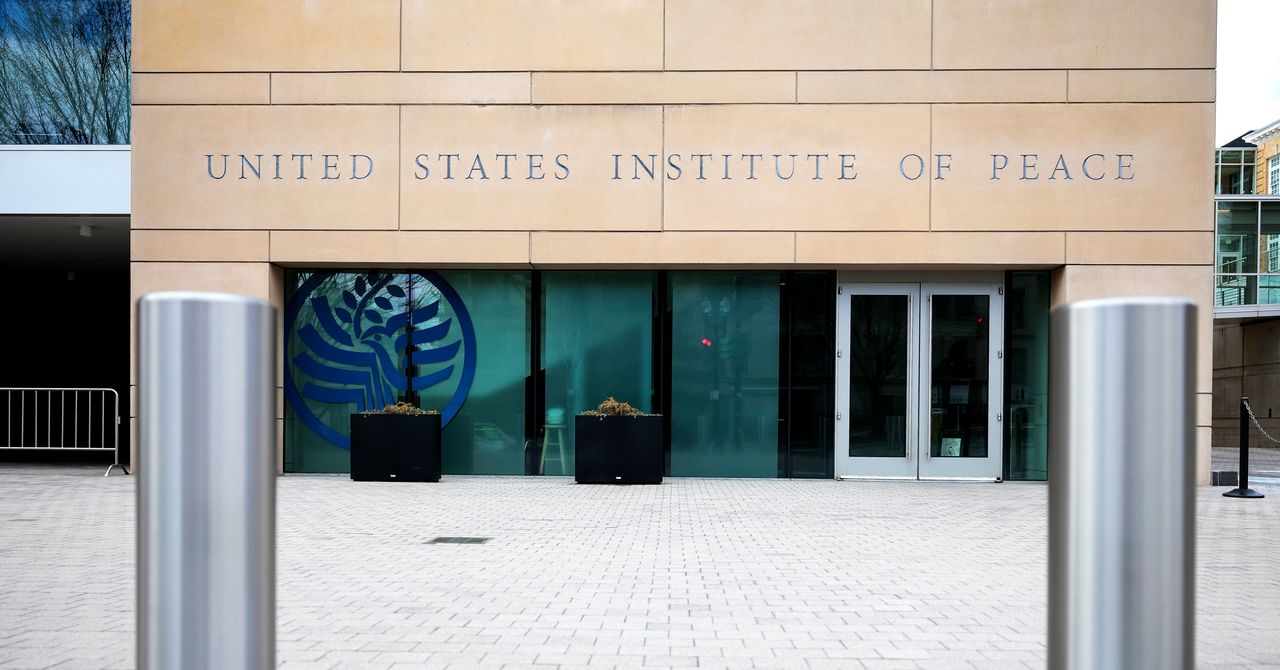
Court Ruling Reinstates Leadership of the United States Institute of Peace
Federal Court Backs Former Board Members Amid Legal Dispute
In a significant legal development, a federal court has ruled in favor of former board members of the United States Institute of Peace (USIP), nullifying the recent actions taken by the U.S. Department of Governmental Enterprises (DOGE) and several members of the Trump administration. This decision comes after a contentious attempt to take control of the USIP headquarters, valued at approximately $500 million.
Judge Howell’s Memorandum Opinion
U.S. District Judge Beryl Howell issued a memorandum opinion articulating that the removal of USIP board members was unlawful. The ruling mandates the reinstatement of the former board and staff who were ousted in March. The court condemned the actions of DOGE and other involved governmental officials, stating, "The purported removal of members of the Board of Directors of the United States Institute of Peace … was unlawful, null, void, and without legal effect."
This order not only reinstates the board members but also declares any actions taken by the agency following their removal—including the transfer of the headquarters—as void. Furthermore, the ruling prohibits the defendants from accessing or controlling any USIP facilities, resources, and records.
Sequence of Events Leading to the Court Ruling
The conflict over the future of USIP intensified following a February 19 executive order from the Trump administration that deemed the agency "unnecessary," essentially proposing its dismantlement. In response, USIP officials emphasized the agency’s independence from the executive branch, but their attempts were met with resistance.
On March 14, officials from the Trump administration dismissed the agency’s 10 voting board members. Subsequently, on March 16, reports indicate that DOGE representatives, alongside FBI agents, attempted to access the USIP headquarters but were denied entry.
According to court documents, the situation escalated when two FBI agents visited a senior USIP security employee at home, seeking guidance on accessing the agency. Despite USIP’s efforts to protect its premises by suspending contracts with Inter-Con, the security firm, DOGE representatives reportedly coordinated with Inter-Con to gain access to the building. Inter-Con employees managed to enter the USIP headquarters using physical keys, which led to law enforcement intervention.
Final Outcomes and Implications
Following the unauthorized entry, the takeover progressed rapidly. On March 21, six USIP employees received termination notices, and by March 25, DOGE representative Nate Cavanaugh assumed control of the agency. Court documents reveal instructions for transferring USIP assets—including its headquarters—to the DOGE-controlled General Services Administration at no cost. The asset transfer was finalized on March 28, just before a court could rule on a motion to halt it.
The Justice Department has yet to comment on this ruling, which represents one of the most significant judicial rebukes against perceived overreach by DOGE in recent times. The reinstatement of the USIP board is expected to restore stability and integrity to the agency amid ongoing scrutiny over governmental actions.
Conclusion
This court ruling marks a pivotal moment for the United States Institute of Peace. As the legal battle continues, it underscores the complexities surrounding governmental control and the operations of independent agencies. The reinstated leadership aims to navigate the challenges faced by the agency and reaffirm its mission of promoting global peace and stability.