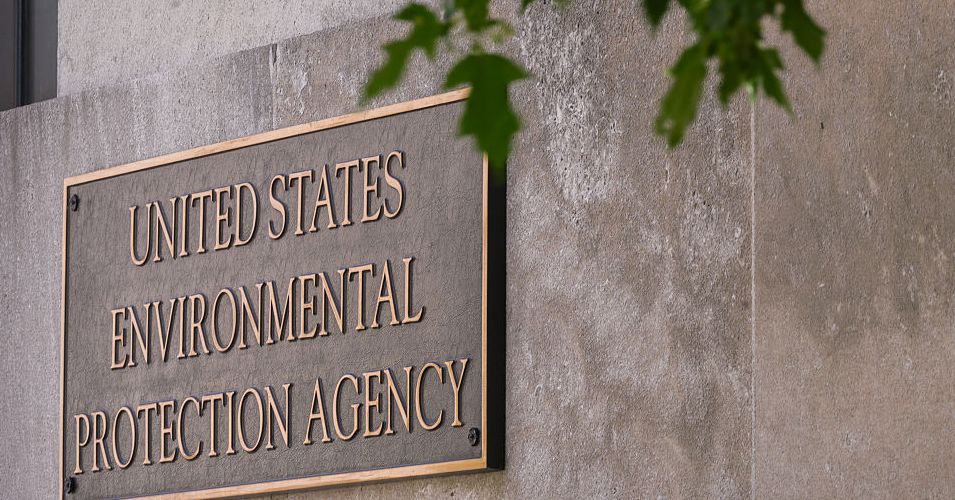
The EPA reorganization 2025 initiative is drawing sharp criticism from scientists and public health advocates. Announced in early May, the Environmental Protection Agency’s plan to restructure its Office of Research and Development (ORD) threatens the future of a vital chemical safety program. The move may dismantle the Integrated Risk Information System (IRIS), a long-standing pillar in chemical risk assessment.
Key Details or Facts:
The EPA informed around 1,500 employees in the ORD that they must reapply for approximately 500 restructured research roles. This change is part of a broader effort to decentralize the agency’s scientific work by redistributing positions across different EPA offices. The agency has promised more details soon, but insiders say key programs like IRIS are now at risk.
The IRIS program, known for its rigorous scientific assessments, has operated since the mid-1980s. With no regulatory power, IRIS serves as an independent body that delivers research on toxic chemicals. Its findings influence U.S. environmental regulations and support decision-making worldwide. But critics warn that splitting up IRIS could undermine the objectivity and reliability of its assessments.
Background or Context:
IRIS has developed health assessments for over 570 chemicals. These evaluations are considered the “gold standard” by researchers and regulatory agencies alike. The program has historically provided scientific data used by the EPA and other agencies to determine safe levels of exposure to chemicals found in air, water, and soil.
Despite its impact, IRIS has long faced opposition. Chemical industry groups and political factions have pushed back against its findings, claiming they could threaten economic interests. The current reorganization may be the culmination of that pressure, say former EPA scientists.
Dr. Thomas Burke, former EPA official and founder of the Risk Sciences and Public Policy Institute at Johns Hopkins, warns that “the polluters won” with this move. He and others fear that dismantling IRIS will make it easier for industry influence to shape regulatory science.
Impact or Implications:
Disbanding IRIS or diluting its role could result in a loss of scientific independence at the EPA. Experts argue that research conducted under a decentralized model may be more vulnerable to external pressures, compromising public health protections.
Jennifer Orme-Zavaleta, another former top EPA scientist, emphasized IRIS’s strength in being centralized and independent. “They’re just evaluating risk and providing fundamental information,” she said. Without this structure, the EPA’s ability to base policy on unbiased science could suffer.
The reorganization also raises logistical concerns. IRIS already faces a backlog due to limited staffing and an ever-growing list of chemicals needing assessment—now exceeding 80,000. With fewer resources and a fragmented team, the EPA may fall further behind in its critical mission to assess chemical risks.
Conclusion:
As the EPA reorganization 2025 moves forward, environmental and health advocates are calling for transparency and caution. The potential weakening of the IRIS program threatens decades of independent science that has guided effective chemical regulation. The stakes are high—not just for the agency, but for communities relying on sound science to protect air, water, and public health.