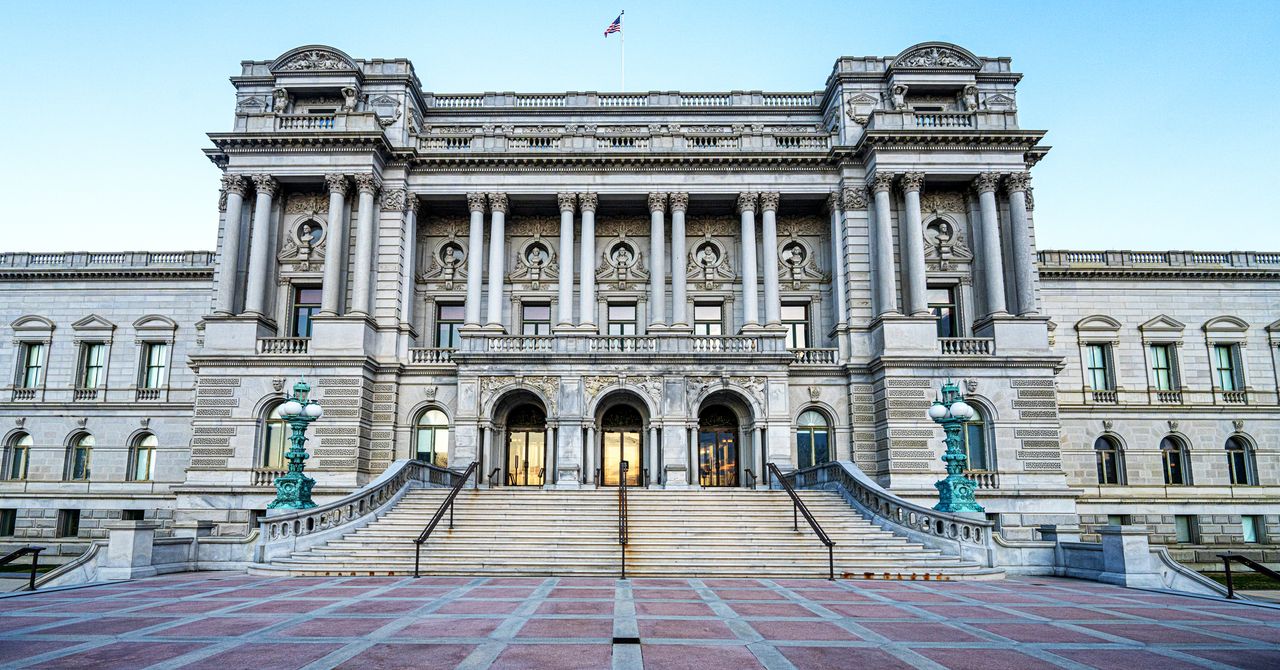
In a significant development, “Trump Appointees Blocked From Entering US Copyright Office” has raised eyebrows across various sectors, especially among those involved in intellectual property and governmental operations. The decision to bar these appointees from accessing the U.S. Copyright Office represents a unique intersection of politics, government policy, and the arts. This issue highlights the challenges faced by presidential appointees and the ongoing discourse surrounding copyright law in the United States.
When Donald Trump was president, he made numerous appointments across different federal agencies, aiming to reshape them according to his vision. These appointees were expected to bring in fresh perspectives, particularly in areas concerning intellectual property, creativity, and the arts. However, their intended impact on the U.S. Copyright Office appears to have met an unexpected roadblock as they were recently restricted from entering this crucial institution.
The U.S. Copyright Office plays a foundational role in protecting the rights of creators—artists, musicians, writers, and many others who rely on copyright law to safeguard their work. The office is responsible for overseeing the registration of copyrights and enforcing copyright laws, which are essential for promoting creativity and ensuring that creators receive proper recognition and compensation for their efforts. The blockade against the Trump appointees has emerged as a significant point of contention within this context.
Critics of the move argue that while the intent may be rooted in political maneuvering, the implications extend beyond mere partisanship. By preventing these appointees from entering the Copyright Office, the government may inadvertently stifle innovation and creativity in a field that thrives on collaboration and diverse ideas. When individuals with different perspectives are barred from contributing, the outcome can lead to a stagnant regulatory environment that does not serve the best interests of creators or the public.
On the other hand, proponents of the decision see it as a necessary measure to maintain the integrity of the Copyright Office. They argue that some appointees may not have had the requisite experience or understanding of copyright law to make informed decisions. The complexities of copyright disputes require knowledgeable individuals who appreciate the nuances of both the creative process and the legal standards that govern it. Keeping unqualified individuals out of such a pivotal role can be viewed as a protective strategy, ensuring that only those with the right qualifications shape policies that impact millions of creators across the country.
Moreover, the ramifications of “Trump Appointees Blocked From Entering US Copyright Office” reach further than just the immediate personnel involved. The decision has implications for the way future administrations will handle appointments and policy-making in agencies responsible for protecting intellectual property. The clash between politics and professionalism may set a precedent that affects how future elected leaders approach these positions. If appointees are seen as politically motivated rather than qualified professionals, it could perpetuate a cycle of conflict and inefficiency.
In an era where technology and creativity intersect more than ever, the U.S. Copyright Office stands at the crossroads of innovation and regulation. The discussions surrounding this blockade pose critical questions about how we define and protect copyright in a rapidly changing landscape. The seamless flow of information and art through digital platforms complicates matters of ownership and attribution; thus, the individuals guiding the policies at the Copyright Office must have a keen understanding of both the legal framework and the evolving cultural landscape.
The public has also reacted to the blockade in various ways. Many creators, advocates, and industry professionals have expressed concern over who gets to define copyright law and how those definitions can shape their careers and artistic expression. Social media has become a platform for many to voice their opinions on the matter, rallying support either for or against the decision. The widespread discourse highlights the importance of keeping the lines of communication open between creators and regulatory bodies.
As the situation unfolds, questions remain about how the U.S. Copyright Office will navigate the challenges posed by political appointments and inter-agency dynamics. Will there be a renewed focus on attracting qualified professionals who genuinely understand both the art and the law? Or will the political divide continue to polarize opinions on who is suitable for these roles?
In conclusion, the circumstances surrounding “Trump Appointees Blocked From Entering US Copyright Office” spotlight the complexities of governance, creativity, and the intricate relationship between political affiliation and professional qualifications. As policies evolve and the nature of intellectual property continues to change, the importance of having well-informed, capable individuals in positions of authority cannot be overstated. Balancing these considerations will be crucial not only for the future of the Copyright Office but also for the creators who depend on its protections to foster their artistic endeavors. The outcome of this blockade may very well shape the landscape of copyright law for years to come.