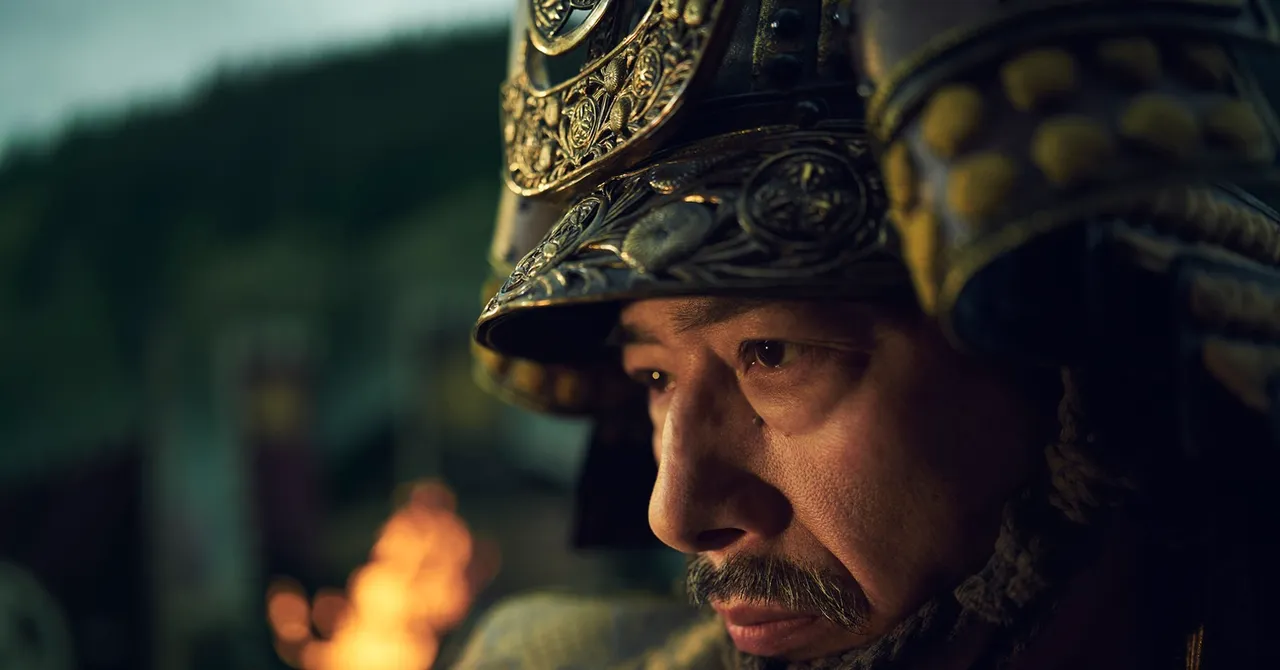
The “game” in season 1 was packed with emotional stakes, pulling viewers into the conflict between opposing political forces. According to Marks, season 2 takes a different turn with “unpredictable surprises.” A key factor in this shift is Ochiba no Kata, portrayed by Fumi Nikaido. Condou explains, “While the ballerina role (played by Anna Sawai) was crucial in season 1, Ochiba’s character takes center stage in part 2.” Her character, inspired by Yodo-kun, Toyotomi Hideyoshi’s wife, transcends just retelling history. This shift allows the political dynamics among women to become the focal point, elevating the political drama.
The writers and producers of Shogun face unique challenges when it comes to historical dramas. Many history enthusiasts, particularly Japanese viewers, are already well-acquainted with the outcome of the Sekigahara battle, so any alterations might raise eyebrows. Nevertheless, Marks is confident in the production’s philosophy: to view culture, history, and language as a “structure” rather than merely “material.”
“We welcome fans and history buffs who know Japanese history well. We’re telling a fictional story rooted in real events. You’ll be surprised by how fact and fiction intertwine,” he states. The modern approach to historical drama involves reshaping history into a narrative, rather than listing a series of “known facts.” The production of Shogun, which includes significant contributions from Sanada and other Japanese crew members, ensures cultural and historical authenticity—an essential aspect of their approach. “Mutual respect between cultures is more important than ever,” Marks emphasizes.
During the Disney Plus Original Preview 2025 in Hong Kong this past November, Marks, Condou, and star and producer Hiroyuki Sanada held a discussion session.
Photograph: The Walt Disney Company