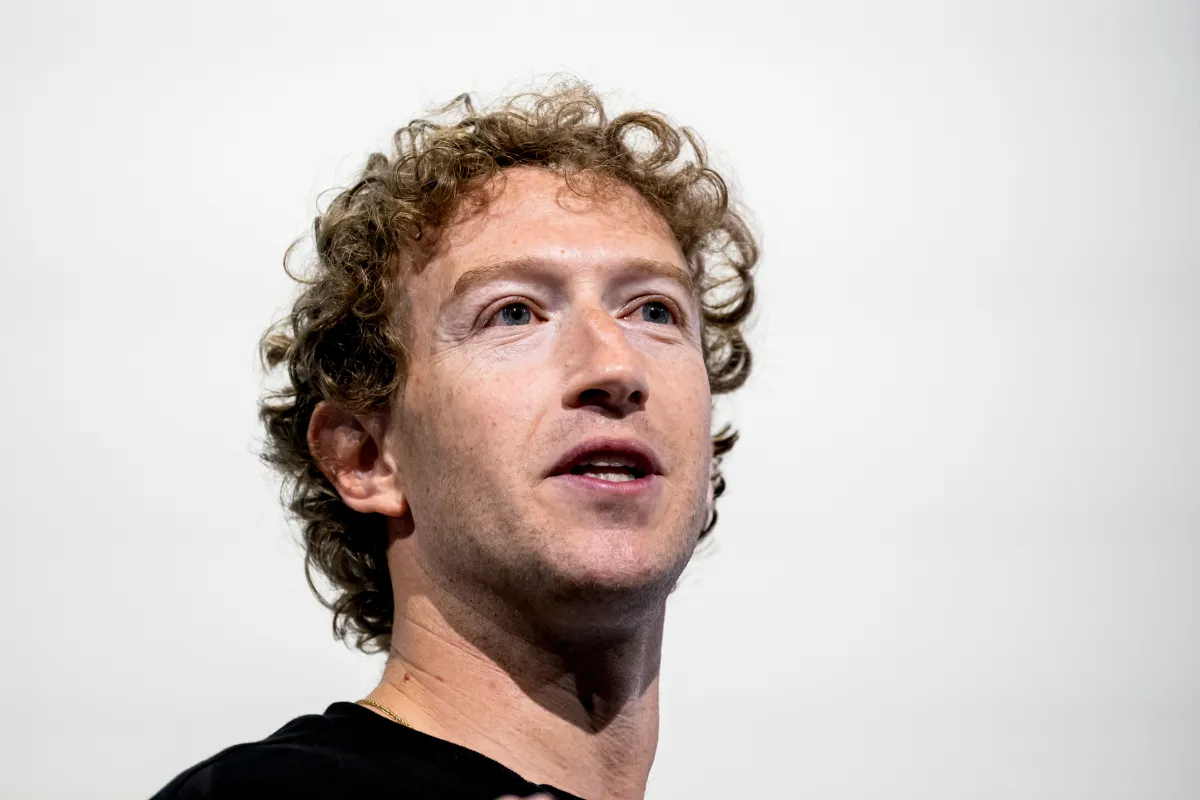
Although well-known figures like Steve Jobs, Bill Gates, and Mark Zuckerberg are famous for not finishing college, numerous studies indicate that the majority of successful startups are led by founders with bachelor’s or graduate degrees.
Despite the statistics, the allure of the dropout founder remains strong. Venture capital interest in those without degrees tends to fluctuate, resembling a trend that comes and goes. Right now, amid the AI boom, it certainly seems to be experiencing a resurgence.
This trend is particularly noticeable during Y Combinator Demo Days, where many founders are now highlighting their dropout status in their one-minute presentations.
“I don’t believe YC officially tracks dropout status, but from what I’ve noticed anecdotally, there’s been a rising number of founders showcasing their college, grad school, and even high school dropout status,” said Katie Jacobs Stanton, founder and general partner of Moxxie Ventures. “Being a dropout serves as a credential in itself, reflecting a strong commitment to building. It’s generally viewed positively in the venture ecosystem.”
While many leading figures in the current AI wave are young, many still opted to complete their degrees. For example, Michael Truell, CEO of Cursor, graduated from MIT, and Scott Wu, co-founder of Cognition, graduated from Harvard.
Nevertheless, an increasing number of aspiring entrepreneurs worry that sticking around to graduate might mean missing the crucial window for AI development. Some, like Brendan Foody, co-founder of Mercor, have made headlines by dropping out of prestigious institutions like Georgetown to chase their startup dreams.
As Kulveer Taggar, founder of the YC-focused venture firm Phosphor Capital, told TechCrunch, “There’s this sense of urgency and maybe FOMO.” The calculation is straightforward: “I can finish my degree, or I can just start building.”
This anxiety is leading to extreme situations. One professor at a top university mentioned a student who abandoned his degree in his final semester, believing that a diploma would actually harm his chances of getting funding.
While some founders worry that a degree could be a disadvantage, Yuri Sagalov, who heads General Catalyst’s seed strategy, suggests that VCs aren’t particularly fixated on the dropout label, especially when it comes to students nearing graduation. “I don’t think I’ve ever thought differently about someone who graduated or didn’t graduate when they’re in their fourth year and drop out.”
Even though self-taught tech geniuses can launch startups without formal education, Sagalov points out that there’s still value in the social network a university provides and the brand of the university itself, even if the founder doesn’t obtain a diploma.
“You gain a lot of social value because you can mention that you participated,” Sagalov said. “Most people will check LinkedIn and won’t care as much whether you finished or not.”
While many investors today think that founders can succeed without a college degree, not all VCs share the view that being young gives founders a competitive edge in this market.
Wesley Chan, co-founder of FPV Ventures, is less enthusiastic about investing in dropouts because he emphasizes a trait that most young founders may lack: wisdom. Chan believes wisdom is typically found in “older founders or those who have a few scars to show for their experiences.”