Rising Concerns Over Social Media Pranks Involving AI Tools
Introduction
Recent trends among children using AI tools on platforms like Snapchat have sparked discussions and alarm among parents and law enforcement. The pranks have become increasingly elaborate, raising important concerns about safety and resource management.
Overview of the Prank
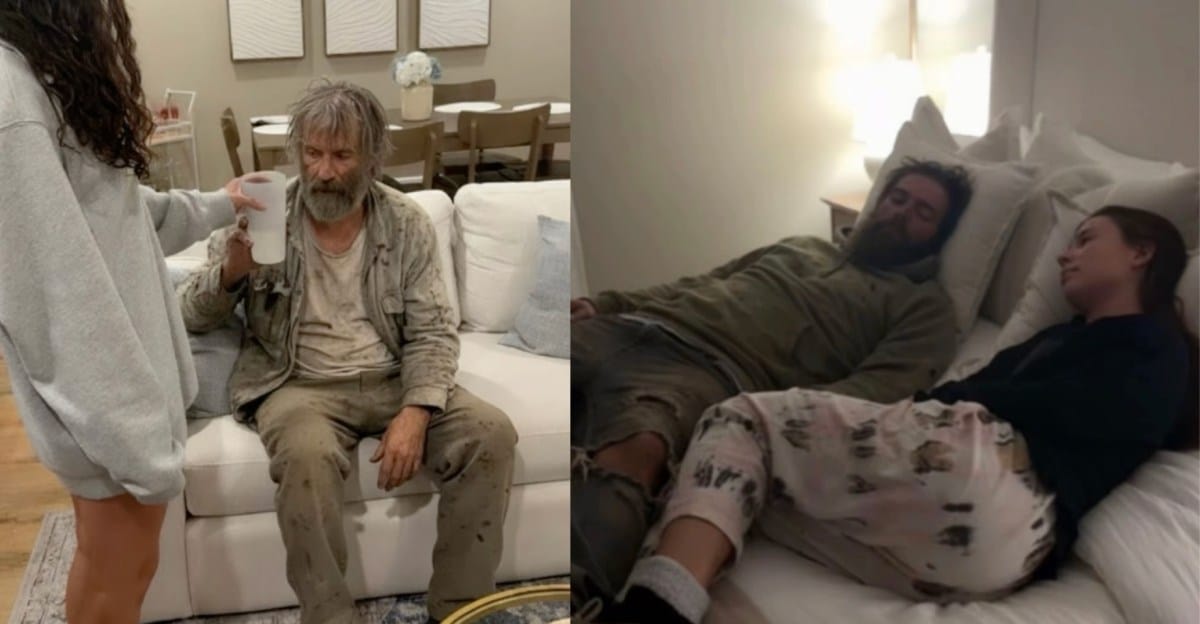
Children are employing Snapchat’s artificial intelligence features to fabricate scenarios where they invite a fictional “grimy” stranger into their home. The children often claim that the individual, who may assert familiarity with the parents from work or school, needs to use the bathroom, take a nap, or even get a drink of water. The intended humor, however, quickly escalates as parents react, often in panic, leading to confrontational situations that are recorded and subsequently shared on TikTok.
Dangerous Consequences
These pranks, while designed for entertainment, can have severe repercussions, especially when parents feel threatened and decide to involve law enforcement. Reports of home invasions involving children are classified as high-priority by police, potentially diverting crucial resources and attention from real emergencies.
Patrol Division Commander Andy McKinney of the Round Rock Police Department stated that such incidents have the potential to prompt significant law enforcement responses, including SWAT interventions. These extreme measures arise from the genuine concern for the safety of children and the seriousness with which emergency services treat reports of home invasions.
Law Enforcement’s Perspective
The Salem, Massachusetts police department articulated the broader implications succinctly: “This prank dehumanizes the homeless, causes panic for those involved, and wastes police resources.” Officers responding to such calls are unaware that they are dealing with a prank, which can escalate the situation into a potentially hazardous environment.
Conclusion: A Call for Caution
While humor and pranks can serve as lighthearted entertainment, the current trend of using social media to prank parents poses risks that cannot be overlooked. Community leaders and law enforcement officials are urging families to reconsider their participation in such activities to avoid unnecessary alarm and promote a safer environment for everyone involved. It may be time to rethink these practices in favor of pranks that do not jeopardize safety or strain public resources.