Google Expands Opal AI App to 15 New Countries
Google has recently broadened the reach of its innovative AI app, Opal, by launching it in 15 additional countries. This user-friendly platform allows creators to develop mini web applications through simple text prompts. The newly added countries include Canada, India, Japan, South Korea, Vietnam, Indonesia, Brazil, Singapore, Colombia, El Salvador, Costa Rica, Panama, Honduras, Argentina, and Pakistan.
Insights from Google on the Opal Launch
Megan Li, a Senior Product Manager at Google Labs, shared insights about the U.S. launch in a recent blog post. She remarked on how they anticipated users would create straightforward, entertaining tools. However, the response exceeded expectations, with early users crafting sophisticated and creative applications. She emphasized the importance of making Opal accessible to creators across the globe, stating, “The ingenuity of these early adopters made one thing clear: we need to get Opal into the hands of more creators globally.”
How Opal Works
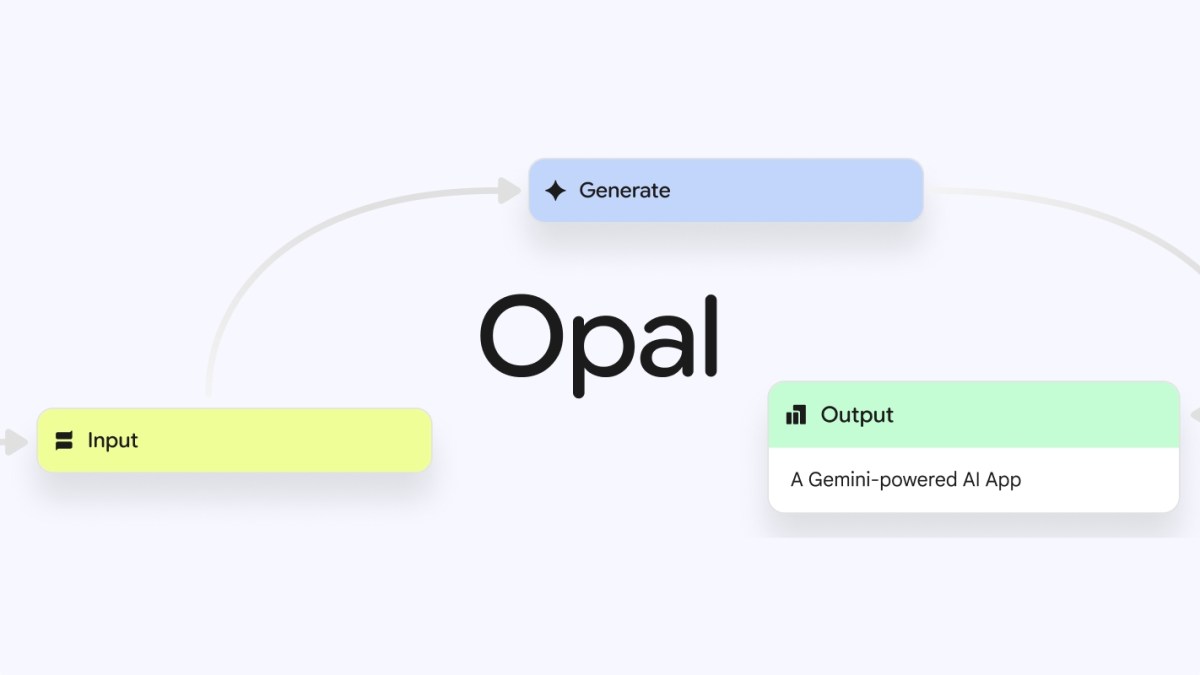
Opal simplifies the app development process by requiring users to describe their desired application. Utilizing advanced Google models, the tool efficiently translates these prompts into functional apps. Once generated, users can access an editing panel to tailor the visual workflow, including inputs, outputs, and various generation steps. The intuitive design allows users to review and modify prompts easily, or even introduce new steps using a dedicated toolbar. Furthermore, applications can be published online, enabling users to share links for others to test the apps through their Google accounts.
Enhanced Features and Performance
Alongside its geographic expansion, Google has announced several enhancements to Opal. The improvement to the debugging process remains within a no-code framework, enabling users to execute their workflows step by step within the visual editor. Any errors that arise appear at their specific locations, providing immediate context that simplifies troubleshooting.
Google has also made notable improvements to Opal’s overall performance. The time required to create a new Opal app has been significantly reduced, addressing earlier delays. Additionally, users can now execute multiple steps in parallel, facilitating the development of more intricate workflows.
Competitive Landscape
With its U.S. launch in July, Opal joins an expanding array of tools designed for non-technical users, competing with platforms such as Canva, Figma, and Replit. These applications are aimed at empowering individuals to prototype apps without needing to write code.
Conclusion
With this expansion and the introduction of enhanced features, Google’s Opal promises to provide an intuitive platform for creators worldwide. The app’s focus on accessibility and performance positions it as a valuable resource for aspiring developers in various industries, fostering creativity and innovation in app design.