FCC Commissioner Anna Gomez Faces Quorum Challenge Amidst Administration Shake-Up
Introduction
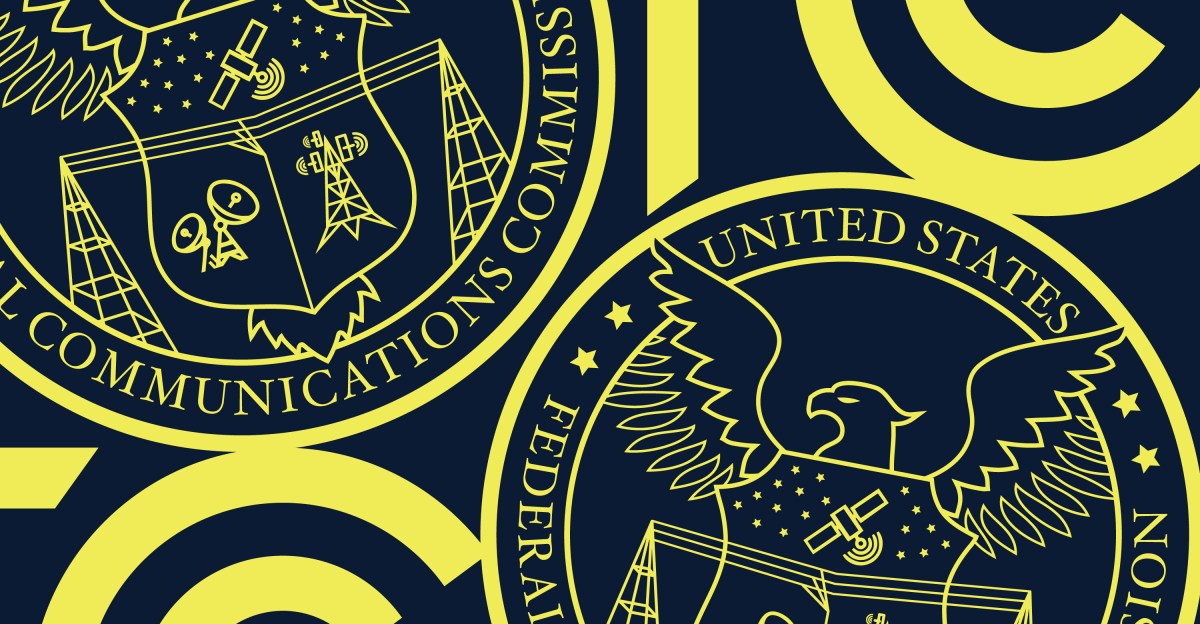
Federal Communications Commissioner Anna Gomez starts her day with a simple ritual: checking her email to determine her job status. With the landscape at the Federal Communications Commission (FCC) shifting dramatically, the fear of sudden dismissal is not unfounded. Recent departures have left the commission without a quorum necessary for significant decision-making.
Impact of Recent Departures on FCC Operations
In the wake of recent resignations, which included Democratic Commissioner Geoffrey Starks and Republican Nathan Simington, Gomez and Republican Chairman Brendan Carr are the only remaining members at the FCC. With three out of five positions occupied by one party, the commission can no longer fulfill its voting responsibilities. This has raised concerns about the potential delay of crucial regulatory actions.
Commissioner Gomez pointed out the precarious situation, noting that President Trump has yet to nominate a Democrat for the remaining seat, stating, “I have not seen him nominate a single Democrat to the entire administration. I have only seen him fire them.” Her comments highlight ongoing uncertainties regarding the composition of the commission and its ability to function effectively.
Relationship with Chairman Carr
Despite the challenging environment, Gomez described her relationship with Chairman Carr as constructive. She emphasized the importance of communication, stating, “He knows I need to speak out, and we have a relationship where I can tell him my concerns.” This professional rapport is critical, especially as Gomez takes a stand on major issues facing the agency.
Concerns Over Bureau-Level Decisions
The absence of a quorum means that some agency functions may shift to FCC bureaus operating under delegated authority. While these bureaus can handle routine tasks, Gomez voiced concerns about their capability to tackle more complex issues that require the full commission’s oversight. She has already criticized the bureau’s approval of Verizon’s $20 billion acquisition of Frontier as a “backroom” deal and cautioned against similar handling of Paramount’s proposed Skydance agreement.
Navigating Conflicts of Interest
At a recent event hosted by the Consumer Technology Association (CTA) in Washington, Gomez addressed potential conflicts of interest surrounding companies owned by Elon Musk, particularly SpaceX and its Starlink satellite internet service. She remarked, “I can only imagine our general counsel would be very involved in making those decisions.” While acknowledging the limitations in her visibility on such matters, Gomez highlighted the need for due diligence, especially given Musk’s previous relationship with Trump.
Bipartisan Support for First Amendment Advocacy
Despite the challenging circumstances, Gomez expressed optimism stemming from her recent outreach efforts centered on First Amendment rights. She has noted bipartisan support for her initiatives, stating, “This is not a red or a blue issue. This is an issue of right or wrong. This is an issue of protecting our democracy and the First Amendment.” Raising awareness and pushing back against the status quo, Gomez aims to unify diverse viewpoints around the fundamental principles of free expression.
Conclusion
As the FCC navigates these turbulent waters, Commissioner Anna Gomez remains a steadfast advocate for regulatory integrity and democratic principles. The commission’s ability to regain its quorum will be crucial in shaping future telecommunications policies and maintaining the agency’s independence in a rapidly evolving environment.