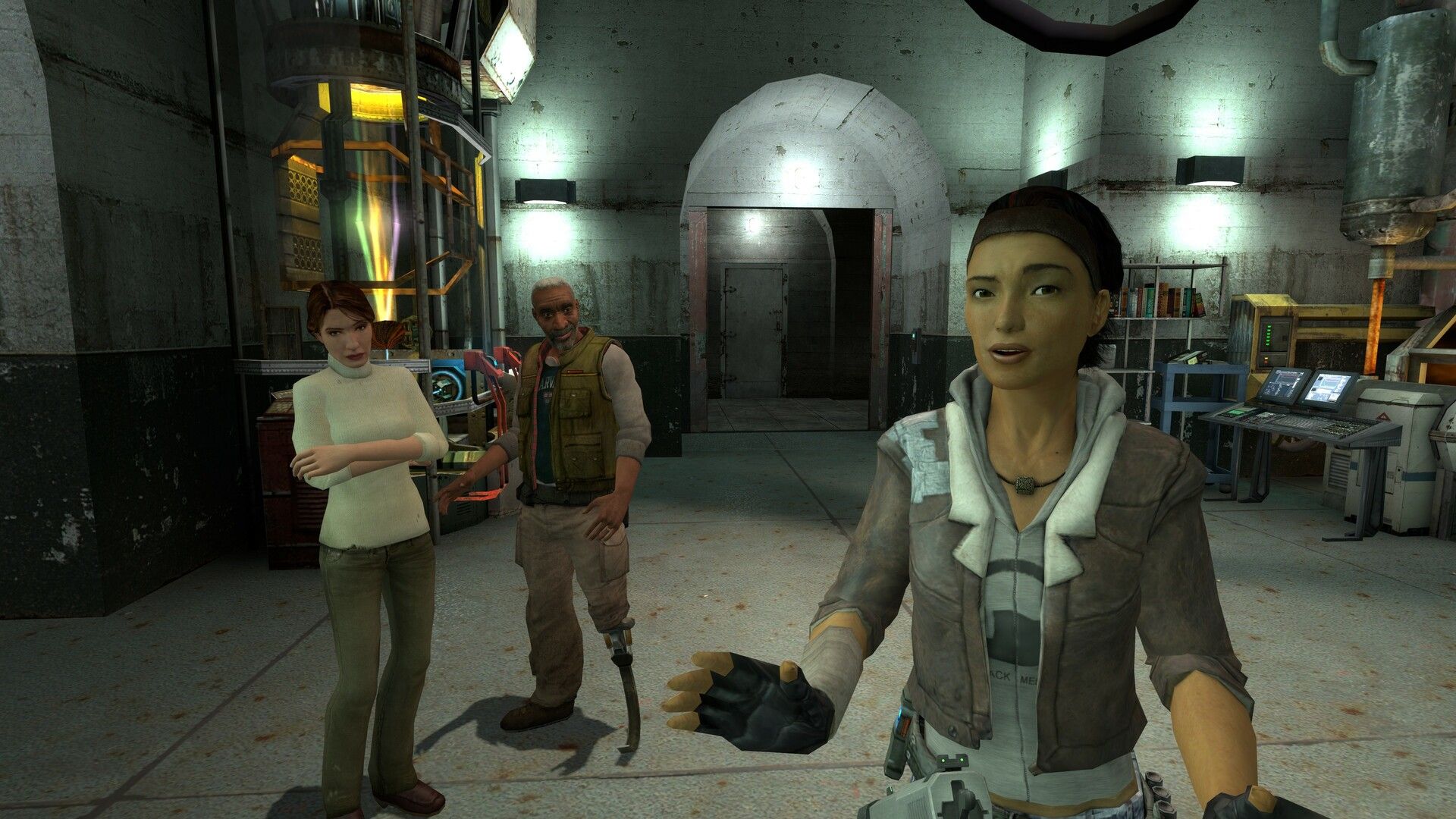
Indie games have carved a unique niche in the gaming world, characterized by their independence from the traditional control of large publishers. The term “indie,” short for independent, typically conjures images of low-budget projects and small teams, yet this isn’t a strict criterion for defining independence. Interestingly, some titles that may not initially fit the indie mold actually exemplify its essence.
### Defining Indie Games
To clarify the essence of indie gaming, I will reference the definition provided by Wikipedia:
> “An indie video game or indie game (short for independent video game) is a video game created by individuals or smaller development teams without the financial and technical support of a large game publisher.”
### Iconic Indie Games
#### 1. Minecraft
Minecraft stands out as one of the most successful indie games ever, originating from the vision of Markus “Notch” Persson. Although it eventually shifted from indie status after its acquisition by Microsoft, the game’s initial development relied heavily on Notch’s creativity, supported by a community of beta testers. This title perfectly represents the indie ethos.
#### 2. Jazz Jackrabbit
Jazz Jackrabbit, created by Epic Games when it was still a small team, is a precursor to what would later become a major publisher. Despite its humble beginnings, the game proved to be technically groundbreaking, featuring rapid side-scrolling action that wasn’t typical for PC games at the time. Cliff Bleszinski’s involvement marked the start of a remarkable career in game design.
#### 3. DOOM
Often regarded as one of the most significant games in history, DOOM was developed by a small team of just five people. It epitomized the indie spirit of the 90s, utilizing a shareware model for distribution. While it is often categorized with larger development efforts due to its success, the scale of its original team aligns closely with indie game standards.
#### 4. Clair Obscur: Expedition 33
Developed by the French studio Sandfall Interactive, Clair Obscur: Expedition 33 is a modern title that encompasses AA game qualities. With a core team of approximately 30 individuals, the game showcases how advancements in technology enable indie developers to achieve a higher level of production without significant backing from larger publishers.
#### 5. Marathon
In its early days, Bungie was a small team that created Marathon, a pioneering first-person shooter for the Mac. This foundational game helped establish Bungie’s reputation, leading to more significant titles such as the Halo series. The creation of Marathon from scratch reflects the independent essence of the studio at that time.
#### 6. No Man’s Sky
No Man’s Sky was launched by Hello Games, a small team that managed to develop a massive universe using procedural generation. Despite facing extreme criticism upon its release, leading to disappointment among gamers, the team has worked diligently over the years to update and expand the game, ultimately earning respect for their perseverance.
#### 7. Cuphead
Known for its unique 1930s animation style, Cuphead was developed by Studio MDHR, which began as a three-person team and expanded over time. The meticulous attention to detail and hot pursuit of quality elevate its status, though it remains an indie title both in spirit and execution.
### Broader Perspectives on Indie Gaming
The definition of indie gaming is fluid and often subjective. Games like The Witcher (2007) and Rocket League, despite being commercial successes, can be seen as stemming from indie origins before they gained significant publisher support or transitioned to larger studios.
For instance, while The Witcher’s development team began small, it expanded considerably over time, including roles that deviated from traditional indie metrics. Meanwhile, Rocket League was initially the product of an indie studio before being acquired by Epic Games, yet its roots remain embedded in the indie culture.
### Conclusion
The discussion surrounding what constitutes an indie game often leads to various interpretations. As the medium evolves, so too does the understanding of independence in gaming. It is perhaps more constructive to focus on the quality of the games themselves and the recognition and rewards the developers receive, rather than fixating solely on the organizational structure behind their creation.